





The Jaguars kicked off their season Sunday with a statement win and a little heat to go with it.
Playing under scorching temperatures that climbed into the 90s — with feels-like temperatures of 107 degrees — at EverBank Stadium, Jacksonville powered past the Cleveland Browns 34-10 on Sept. 13, giving fans plenty to celebrate despite the sweltering conditions.
But Sunday’s season opener also marked the end of an era. For Jaguars fans, it was the final season opener at EverBank Stadium without a canopy.
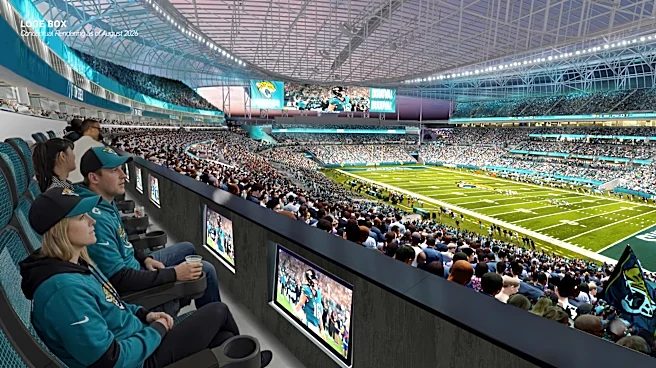
When Jacksonville opens its next season at home, the team will return to a dramatically upgraded stadium designed with fan comfort and safety in mind. The "Stadium of the Future" will be the first venue of its kind to use ViewScape as a roof and facade.
According to the Jaguars, the new canopy is expected to “reduce radiant heat within the seating bowl and concourses by 10-15 degrees over direct sunlight.”
After years of enduring the heat in the name of fandom, Jaguars fans are finally getting some relief. The upgrade will usher in a new era of comfort while transforming the game-day experience both on and off the field.
Here’s a look at some of the key features and upgrades coming to EverBank Stadium as part of the "Stadium of the Future" remodeling, which is expected to welcome fans back in 2028 after the team’s temporary move to Orlando for the 2027 season.
See postgame scenes from Jaguars vs. Browns at EverBank Stadium
What is ViewScape? The material behind the EverBank Stadium’s new canopy
One of the biggest changes coming to EverBank Stadium is the canopy, and the material covering it is designed to do more than simply block the sun.
ViewScape is a transparent composite material made with layers of fluoropolymer, including ETFE, and a mirrored layer designed to reflect solar energy. The combination is intended to help keep the stadium cooler while maintaining views of the St. Johns River and the surrounding waterfront.
Unlike traditional fritted ETFE, which can have a patterned or less-clear appearance, ViewScape is designed to provide a more transparent, glare-free view.
The material is also thicker and more durable than traditional ETFE. According to project information, ViewScape is four times stronger than conventional ETFE, allowing the canopy to span greater distances with less need for additional structural supports and cabling.
For fans, that could mean a canopy that provides protection from Jacksonville’s heat and elements without making the stadium feel closed off from the city and waterfront around it.
What are some key features of the ViewScape canopy at EverBank's Stadium of the Future?
The ViewScape canopy is designed to keep fans more comfortable while preserving natural light, airflow and views. Here’s a look at some of its key features:
- Reflects solar energy: The canopy’s reflective properties will help reject solar energy, reducing heat inside the stadium while still allowing natural light to reach the field and seating areas.
- Allows natural light: The enclosure will provide about 17% visible light transmission over the field and 5% through the surrounding facade, helping balance daylight with protection from the sun’s heat.
- Supports natural ventilation: The structure will incorporate a passive ventilation system that allows airflow and helps manage wind pressure, maintaining the feel of an open-air venue even with the canopy overhead.
- Could reduce energy use: ViewScape’s thermal and light-transmitting properties are designed to reduce the need for cooling and artificial lighting, potentially lowering the stadium’s overall energy consumption.
- Designed to stay cleaner: ViewScape is hydrophobic, meaning its surface repels water and helps prevent dirt and debris from sticking. When it rains, water can wash away accumulated particles, reducing the need for frequent cleaning and maintenance.
How will the new canopy help with the heat?
The canopy is designed to provide more than shade. It will create a protective shell over the stadium using ViewScape, a composite polymer designed to provide greater transparency than traditional ETFE, a material commonly used in stadium construction.
Its curved design will also work with Jacksonville’s prevailing winds, allowing for more natural ventilation and passive cooling throughout the stadium.
Will the new canopy be attached to the existing stadium?
Not exactly. The canopy will be supported by an entirely new line of columns now being built around the existing stadium structure.
The independent support system is designed to reduce the structural impact of the canopy while helping shield the existing stadium bowl from the effects of sun, heat, wind and rain.
A cooler stadium without relying entirely on air conditioning. How will it work?
The stadium’s exterior is being designed to take advantage of passive cooling, shade and natural ventilation.
The goal is to reduce utility needs while creating a more comfortable environment for fans, athletes and performers. Upgraded equipment and fixtures will also improve energy efficiency and support the stadium’s broader decarbonization goals.
How will the stadium become more environmentally friendly?
Sustainability is built into several aspects of the project, including the stadium grounds. New landscaping and native plants are expected to help reduce the heat-island effect, limit stormwater runoff and improve water quality.
The grounds will also serve as a public park, creating additional space for the community to use throughout the year.
How will the stadium experience change for fans?
The goal is to make getting around the stadium easier from the moment fans walk through the gates.
Expanded concourses and 360-degree circulation will give fans more room to move throughout the stadium, while more than twice the current amount of vertical transportation will help reduce bottlenecks and improve the flow of crowds.
The upgrades are designed to create a safer, more convenient experience, whether fans are heading to their seats, grabbing a bite to eat or making their way out after the final whistle.
How is technology expected to improve the game-day experience at EverBank?
According to the Jaguars website, technology will play a bigger role in the Stadium of the Future, with dynamic and immersive features designed to improve fan connectivity and bring spectators closer to the action.
The goal is to create an experience that goes beyond simply watching the game, making the stadium more interactive, connected and engaging for fans.
How many fans will the Stadium of the Future hold?
The Stadium of the Future will have a base capacity of more than 63,000, with the flexibility to expand beyond 70,000 for larger events.
The expanded capacity will allow the stadium to accommodate more than just Jaguars games. The venue is being designed to host major events throughout the year, including the Florida-Georgia football game, the TaxSlayer Gator Bowl, international sporting events and major concerts.
When is the Stadium of the Future expected to be completed?
Construction on the Stadium of the Future began in February 2025, following the 2024 NFL season.
Work is expected to continue through the Jaguars’ 2026 season at EverBank and the temporary relocation to Orlando for the 2027 season. The new stadium’s grand opening is expected in August 2028.
Doris Alvarez is a Breaking and Trending Reporter for The Florida Times-Union. You can get all of Jacksonville’s best content directly in your inbox each weekday by signing up for the free Daily Briefing and News Alerts newsletters at jacksonville.com/newsletters.
This article originally appeared on Florida Times-Union: EverBank's new ViewScape canopy will offer a 'cooler' game for fans