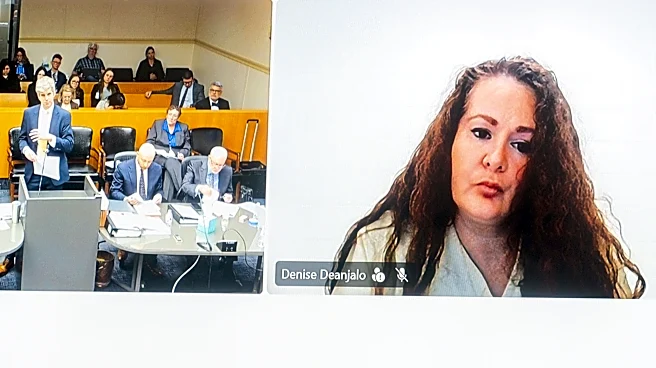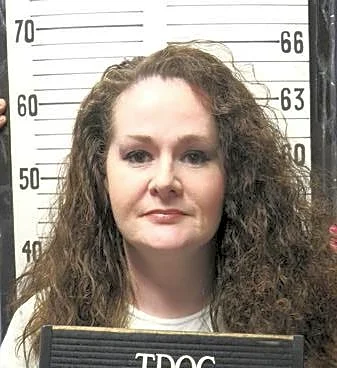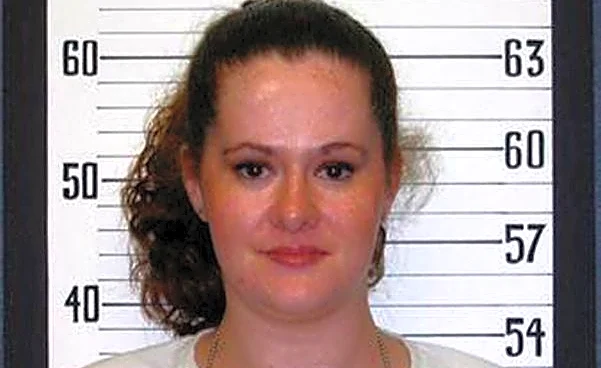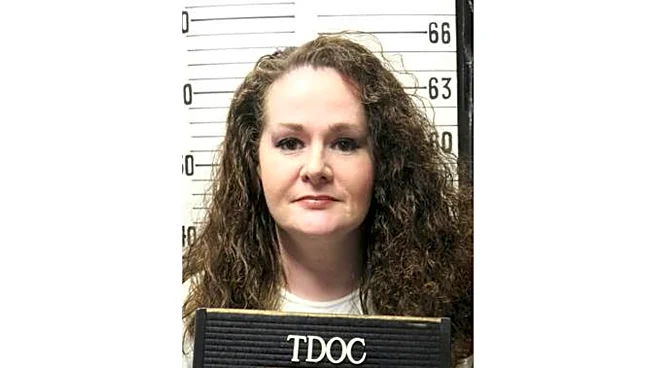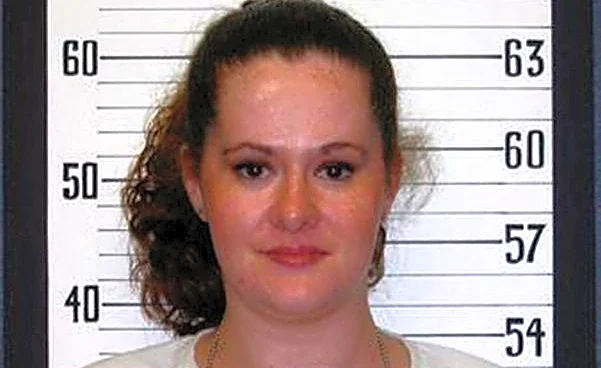






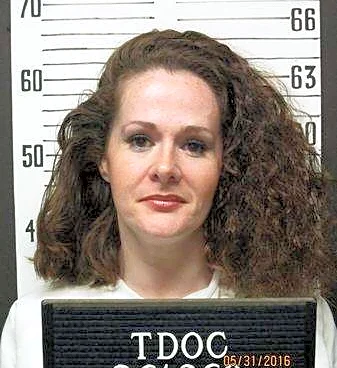

Christa Pike, Tennessee's only woman on death row, was scheduled to be executed the night of Sept. 30, however, after receiving two lethal doses of pentobarbital, she was still alive and was rushed off to a hospital.
Her attorneys previously warned that the execution could go wrong due to Pike's thrombocytosis diagnosis. As of early morning on Oct. 1, her location and condition were not clear.
The execution by lethal injection was delayed most of the day by an 11th-hour stay by a federal appeals court that was later overturned by the conservative majority of the U.S. Supreme Court.
Here's what we know.
Was Christa Pike executed?
Pike was administered two lethal injection doses of pentobarbital, but the procedure was not successful and she received medical care following the execution
attempt, according to a court filing.
Her attorneys reported hearing her still breathing afterward, and she was rushed to a hospital.
What happened at Christa Pike execution
Before her execution date, Pike's legal team argued that she suffered from thrombocytosis, a condition that could increase clotting and pain during the execution process, and said she had smaller veins that were difficult to access.
Senior Judge Mark Ward, a special master appointed by the Tennessee Supreme Court, dismissed the claims after hearing expert testimony on Pike's recent medical history and successful blood draws. He concluded that there was not a substantial risk of severe pain during the execution.
After her first injection, WKRN journalist and media witness Tori Gessner, one of the witnesses, said she heard Pike complain of pain: "My arm feels like it's about to burst open." Other witnesses and Pike's attorneys reported hearing her breathing, and then snoring. Witnesses said they were asked to leave while Pike appeared to still be alive.
Christa Pike survived lethal injection. What happens now?
Tennessee Gov. Bill Lee has called for a review and paused executions for the rest of 2026, The Tennessean reported.
"Carrying out a lawfully imposed sentence is among the State's most serious responsibilities, and the people of Tennessee expect it to be done in a manner that is not only legal and constitutional, but is effective," Lee said in a statement Sept. 30.
Lee is calling for a "comprehensive, third-party review" of Pike's execution.
"Therefore, the remaining scheduled execution will not be carried out this year," Lee said.
What did Christa Pike do?
Pike, Tennessee's only woman on death row, was a student at the Knoxville Job Corps when she killed Colleen Slemmer in 1995. Born in West Virginia, Pike had a traumatic upbringing marked by violence, and sexual and substance abuse.
Pike started dating Tadaryl Shipp and suspected that Colleen Slemmer was interested in Shipp. Prosecutors said Pike and her friend Shadolla Peterson plotted to lure Slemmer to a wooded area and kill her.
Pike, Peterson and Shipp gathered at an isolated area behind the University of Tennessee's agriculture campus steam plant. With Peterson as lookout, Pike and Shipp tortured Slemmerbefore bludgeoning her to death.
The beating was so savage that Pike took a fragment of Slemmer's skull.
Pike ultimately confessed to the crime. Peterson turned state witness and pleaded guilty to being an accessory. She was sentenced to six years of probation.
Shipp, only 17 at the time of the killing, was convicted of first-degree murder and conspiracy to commit murder. He was sentenced to life in prison.
Who was Colleen Slemmer, Jacksonville woman killed in 1995?

Colleen Slemmer, 19, died Jan. 12, 1995.
Slemmer grew up in Orange Park, a suburb of Jacksonville, Florida. She helped paint her school building and volunteered to help during Special Olympics competitions.
A wiz with computers, her grandfather suggested she enroll in the Job Corps program in Knoxville to take computer courses.
That's where she crossed paths with Pike, who was enrolled in nursing.
Botched lethal injections in Florida
Since Florida adopted lethal injection as a permissible execution method, the state has seen its own botched executions, including two notable ones.
- June 7, 2000, Bennie Demps: While executioners found one vein with no problem, Florida protocol required a second alternative IV drip. Technicians worked for 33 minutes to find a spot, cutting into Demps in multiple spots as he claimed he was being "butchered." "I was bleeding profusely," Demps said in his last words. "This is not an execution, it is murder. I am an innocent man.”
- Dec. 13, 2006, Angel Diaz: Diaz kept moving and trying to talk after the first injection. After the second injection, it took 34 minutes for Diaz to die. An autopsy found the IV catheters in both arms had gone through the veins and out the other side. Then-Gov. Jeb Bush temporarily suspended executions in the state. A judge later acknowledged "irregularities" but ruled his death was "painless and humane.." although Florida made several changes to its lethal injection protocol. In 2014, The New Republic published photos of the discoloration on Diaz' arms, renewing public calls against the death penalty.
This article originally appeared on Florida Times-Union: Christa Pike execution botched in 1995 murder of Jacksonville teen