

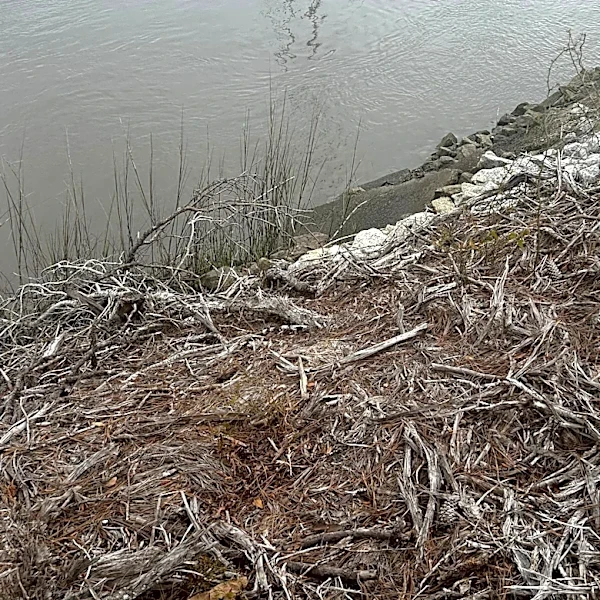



The St. Johns Riverkeeper is suing the owners of a Jacksonville shipping terminal it argues is polluting the river with “ongoing and recurring release” of environmentally harmful coal ash.
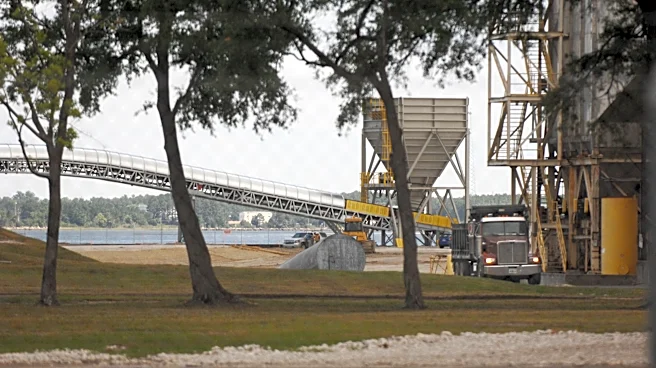
The Keystone Jacksonville Terminal in the Talleyrand area has handled more than two billion pounds of ash since 2022 “without complying with many of the federal environmental safeguards governing those activities,” the activist nonprofit contends in a lawsuit filed August 19.
“Our intention is to protect the St. Johns River,” Riverkeeper Lisa Rinaman said of the suit, which asks U.S. District Judge Jordan E. Pratt for a formal ruling that the terminal's owner, Keystone Properties LLC, is violating federal laws including the Clean Water Act.
The suit asks for
an order barring the company from releasing pollutants except in ways allowed by its environmental permits. It also asks the judge to require the terminal’s owners to follow best-management practices “to prevent and minimize unauthorized discharges” and get any permits it needs before continuing to handle coal ash.

Keystone is working on a response to the suit, the company’s environmental manager, Bill Harris, said August 26.
Florida’s Department of Environmental Protection said in July it planned to issue a permit Keystone to close a 5.45-acre landfill on the property at 1915 Wigmore Street, but Harris said that permit is unrelated to issues in the lawsuit.
Keystone operates a roughly 110-acre site it had envisioned becoming a 10 million-ton-per-year marine terminal for moving bulk items like coal, petroleum coke, cement and lime by water, truck and rail.
The terminal’s business includes handling shipments of coal ash carried from a power plant in Puerto Rico, which does not allow permanent storage of the ash on its territory based on concerns about health impacts. Some ash is hauled to Jacksonville for disposal in a Folkston, Georgia landfill, while some is marketed under the trade name Agremax for use in construction.
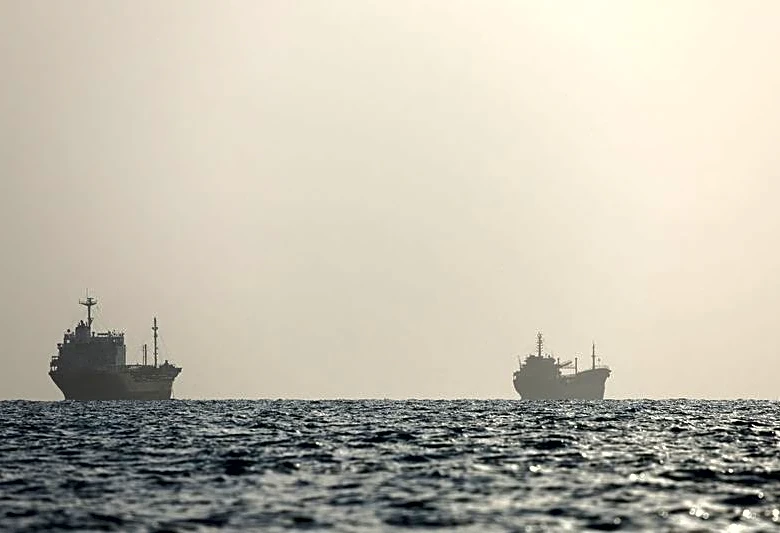
A barge carrying Agremax ran aground on a rock near the river’s jetties in 2021, eventually spilling tons of its cargo into the ocean.
Rinaman said the barge wreck helped put Keystone on Riverkeeper’s radar and said elected officials had seemed unaware also about the nature and scope of shipments at the terminal.
Coal ash, holding residue that survived furnace heat in coal-fired power plants, is reviled by many environmentalists as a source of industrial pollution. A Riverkeeper release about the lawsuit said violations of rules about ash handling at the terminal “continue to expose the St. Johns River and area residents to dangerous contaminants like mercury, cadmium, lead, selenium and arsenic.”
This article originally appeared on Florida Times-Union: Riverkeeper suing Jacksonville terminal, claiming coal ash pollution