





August is one of those months where gardening takes a back seat to the weather here in Florida. With heat and humidity fairly high, even in the early morning, it can be tough to muster the energy to keep mowing, pruning, and weeding. However, there is hope on the horizon for cooler weather in the fall if you can get past a few more weeks of summer.
For this month, check out some helpful tips on how to protect your garden from pesticide damage from the weather and managing rainwater run-off.
Pesticides and weather
Whenever I advise about pesticides, I normally mention two major topics: One, only use when absolutely necessary; and two, read the label, it’s the law.
Pesticides are required to have important safety and use information on the label, and any user should always
read the label before use to make sure you understand all of the precautions you should take and how to properly apply the product. While you may expect to see things like proper safety equipment, what plants the pesticide is safe for use on, and mixing directions, most labels also have directions related to the weather.
In August, one common item to keep an eye out for is at what temperature it is safe to apply a pesticide. Many products state something similar to “do not apply when temperatures exceed…” and you should be following this directive. When applied at temperatures outside of their indicated range, pesticides may damage your lawn or garden. I have witnessed entire healthy yards killed by one application of an herbicide labeled safe for that turf species due to it just being too hot.
At high temperatures, some products can even volatilize by turning from a liquid or solid into a gas, drifting up and away and possibly damaging plants you want to keep alive. If a pesticide contains oils or is oil-based, you may also get spots on leaves as the oils magnify the sun onto the surface.
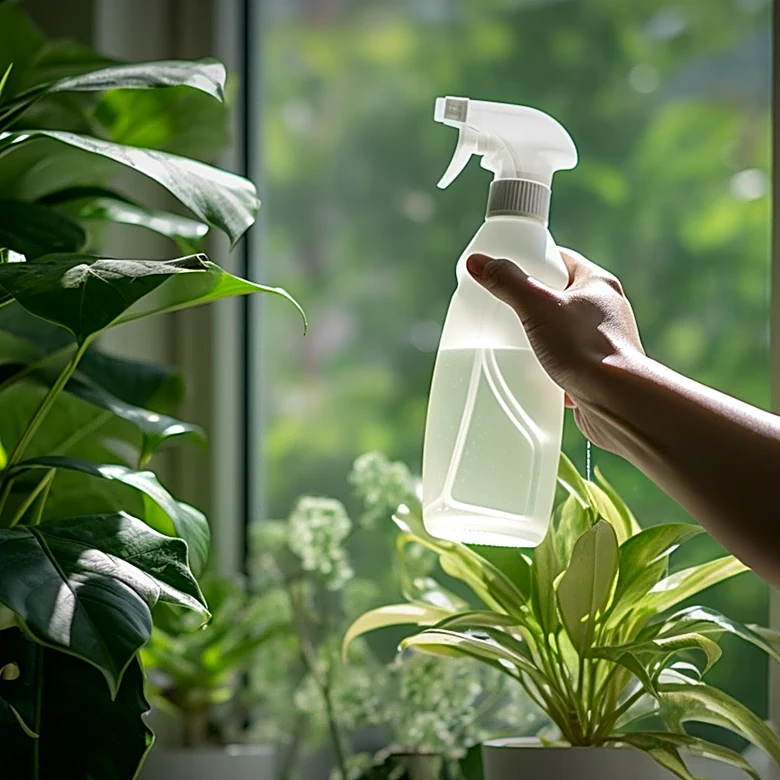
Other weather-related precautions to keep a close eye on include wind and rain. Windy days can cause products to drift and damage non-target plants. Rain can also be an issue, causing pesticides to run off before they can effectively do their job, and some could have hazards to the environment if not applied according to the label.
In the end, watch the weather, read the label, and reach out to your local Extension office with any questions before using pesticides in the garden.

Reducing landscape water needs
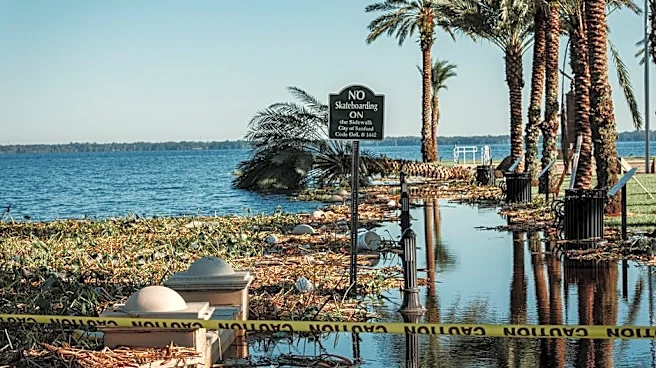
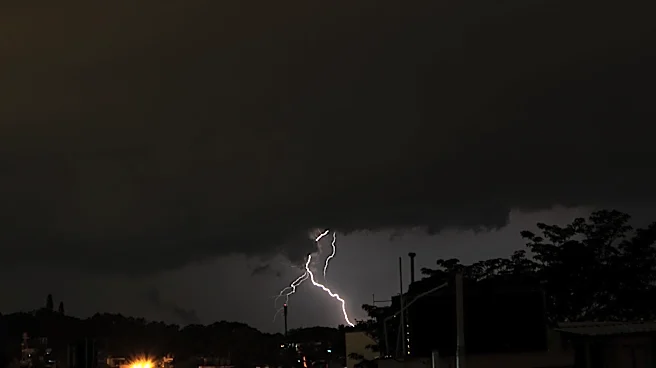
August is normally a month when rainfall comes in short, but intense bursts in the form of afternoon thunderstorms. While some recent rains have helped, most of our area is still in drought conditions, and by properly managing rainfall, you can have a healthier garden, fewer home maintenance issues, and a better environment.
First of all, the heavier rains from storms can be difficult to manage as they can cause quick flooding. Correct your drainage issues in your yard to make sure that plants do not stay submerged in water, or they can be damaged or even die. One great way to do this is to apply the concept of Right Plant/Right Place and put in a rain garden, with water-loving plants in one area of your garden.
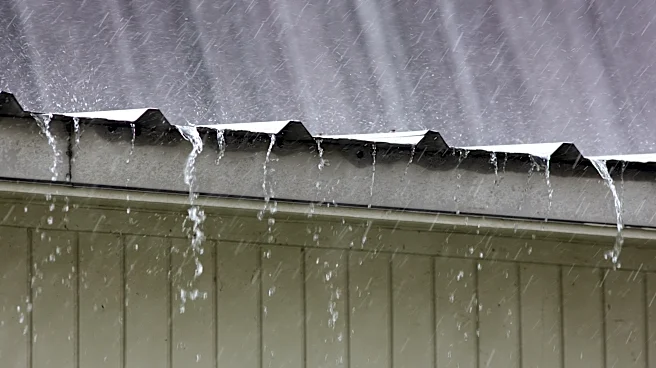
As for your home, make sure you have methods to get the rainwater from your roof and from around your yard away from your foundation. Too much water in these areas can damage your foundation, increase termite risks, and standing water is a breeding ground for mosquitoes. Maintain your gutters and ensure you have a good grade moving water away from the home. For an extra community safety tip, keep storm drains clear of debris and don’t block them with your curbside yard waste pickup.
Finally, it is important to try to prevent rainwater from being contaminated as it moves from your yard out into the environment and aquifer. Do not overapply fertilizers or pesticides, make sure to clean up any spills of chemical products, and maintain planted areas that can filter water as it moves into the ground.
If you have any gardening questions, be sure to reach out to your local UF/IFAS Extension office. The UF/IFAS Extension Office in Clay County is available at clay@ifas.ufl.edu or by phone at (904)284-6355.
Things to plant in May
- Vegetables: Okra, Southern Peas (black-eyed, Crowder, etc.),Sweet Potatoes. Boniato, Gingers, Roselle, Tropical Spinach, Amaranth, Calabaza, Long Squash, Luffa, Papaya, Pigeon Pea, Seminole Pumpkin, and Chayote.
- Annuals: Celosia, Coleus, Crossandra, Exacum, Impatiens, Nicotiana, Ornamental Pepper, Portulaca, Salvia, Torenia, Periwinkle, and Zinnia.
- Herbs: Basil, Mexican Tarragon, and Rosemary.
- Bulbs, tubers or rhizomes: Aztec lily, Gladiolus, Kaffir lily, African lily, Spider lily, Scarborough lily, and Walking Iris.
This article originally appeared on Florida Times-Union: Protect your Florida garden from August heat damage. Here's how