




Every September, Suicide Prevention Awareness Month gives us an important opportunity to talk more openly about suicide, recognize warning signs and remind people that help is available. This year, however, I hope we can take the conversation one step further.
For decades, much of suicide prevention has focused on identifying risk factors: depression, substance use, a previous suicide attempt, trauma, chronic illness, financial problems and other circumstances associated with an increased likelihood of suicide. Those things matter, but they don't always tell us what we most need to know:
Why is this particular person thinking about suicide today?
In 2024, there were 163 people in Duval County who died by suicide. Behind every one of those deaths
was a person with a life story of family, friends, coworkers and neighbors.
A person’s life cannot be reduced to a list of risk factors. Someone can have depression and never consider suicide. Someone can experience a divorce, lose a job or live with chronic pain without becoming suicidal. On the other hand, someone who appears to have very few traditional risk factors may be quietly wondering whether life is worth continuing.
Understanding risk factors is important, but identifying indirect and direct drivers of suicide is essential. A risk factor tells us what may make someone more vulnerable, while a driver helps us understand what makes life feel unbearable to that individual.

Direct drivers may include feeling hopeless, trapped, burdensome or completely alone. A person may experience overwhelming emotional pain, shame or the belief that nothing will ever change.
An indirect driver is what is happening in a person’s life: losing a job, struggling to pay rent, bullying, the end of a relationship, family conflict, chronic health problems, difficulty accessing care or simply feeling disconnected from the people and community around them. The indirect driver exacerbates the drivers.
The Centers for Disease Control and Prevention reminds us that suicide is rarely caused by a single circumstance. In fact, research increasingly shows that the conditions in which we live also matter. Communities with greater economic stability, access to health care and opportunities for meaningful connection can help protect people from suicide.
That changes the conversation. Instead of only asking, "What risk factors does this person have?" we should also ask, "What’s happening in your life that makes dying feel like an option?"
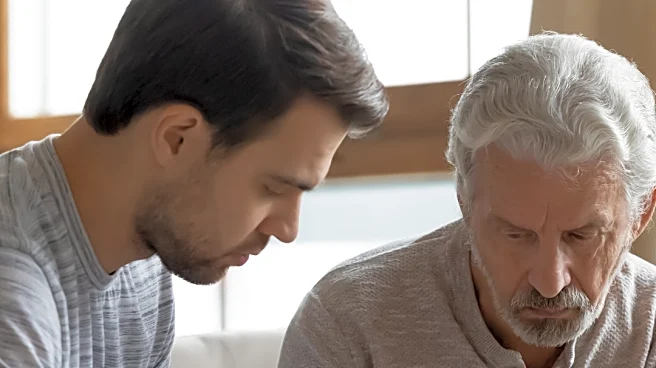
Then we need to listen. Be patient. Give your loved one a hug.
Sometimes we are so afraid of suicide, that we rush toward fixing the problem. We offer advice, and explain how much they have to live for; what they may need first, however, is someone willing to understand their pain without judgment.
I've spent much of my career in behavioral health. Today, I have the privilege of leading Here Tomorrow, where people experiencing despair or suicidal thoughts can connect immediately with someone who has lived through their own mental health challenges.
I've seen what can happen when the conversation changes from "What's wrong with you?" to "What happened, and what is making life so difficult right now?"
That conversation creates room for something incredibly important — hope.
Suicide prevention doesn't belong only in hospitals, therapists' offices or crisis centers. It happens in homes, workplaces, schools, churches and neighborhoods. It happens between friends over coffee and between coworkers who notice someone isn't quite themselves.
A call after receiving the text message, “Can you talk?” is suicide prevention. A hug is suicide prevention. Being kind to strangers is suicide prevention. Being a shoulder to cry on is suicide prevention.
Be curious enough to ask what is driving someone's pain. Be patient enough to hear the answer, and be willing to stay beside them while they find a reason for tomorrow. Because sometimes preventing suicide begins with something remarkably human — connection: "Tell me what's making life so hard right now. I'm here, and I'm listening."

Terrie Andrews, president and CEO, Here Tomorrow, Neptune Beach
This guest column is the opinion of the author and does not necessarily represent the views of the Times-Union. We welcome a diversity of opinions.
This article originally appeared on Florida Times-Union: Duval nonprofit CEO: Suicide prevention more than knowing risk factors