





A red tide health alert first issued last week remains in effect near Ft. George Inlet, prompting health officials to continue urging Jacksonville-area residents and beachgoers to avoid the affected area. The Florida Department of Health in Duval County issued the warning after the red tide organism, Karenia brevis, was detected in the area. As of Aug. 12, the organism in parts of the Ft. George Inlet in Duval County has been detected at medium concentrations ranging from more than 100,000 to 1,000,000 Karenia brevis cells per liter, according to the current red tide status map.
But what does the alert mean for Jacksonville-area residents and beachgoers? Here’s what you need to know about red tide, the potential health effects and what to avoid
while the alert remains in effect.
What is red tide? What's Karenia brevis?
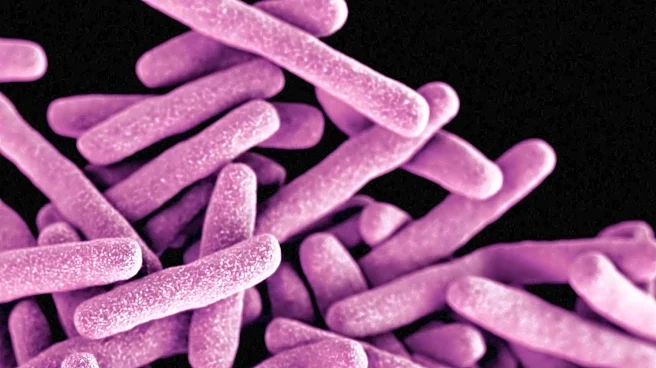
Red tide occurs when there are elevated concentrations of Karenia brevis, a microscopic algae that produces neurotoxins. During a bloom, the water can sometimes take on a red or brown appearance.
The toxins don't stay confined to the water. Waves and wind can break up the algae and release toxins into the air, potentially causing irritation for people near the shoreline.
What’s the red tide status in Duval County?
The latest red tide map, updated August 12, 2026, shows that Karenia brevis concentrations have increased in some areas along Florida’s northeast coast.
This is a change from the August 7 update, which reported Karenia brevis at background-to-low concentrations in 13 samples along Florida’s East Coast. The August 12 map now shows areas with very low, low, and medium concentrations.
Some areas of Duval County are showing "very low levels" of Karenia brevis, meaning 1,000–10,000 Karenia brevis cells per liter.
"Very low concentration" areas include:
- Nassau Inlet
- Fort George Inlet and nearby inland areas
- St. Johns Inlet
- St. Johns inland areas
Other areas are showing higher levels that fall into the "low levels" concentration category, meaning 10,000–100,000 Karenia brevis cells per liter.
"Low concentration" areas include:
- Areas near Waterville Road in Duval County
- Northwest of Pumpkin Hill Creek in Duval County
- Near Christopher Creek, southeast of the Nassau River, in Nassau County
The August 12 map also shows medium concentrations in parts of Fort George Inlet in Duval County, meaning 100,000–1,000,000 Karenia brevis cells per liter.
What changed in just a few days?
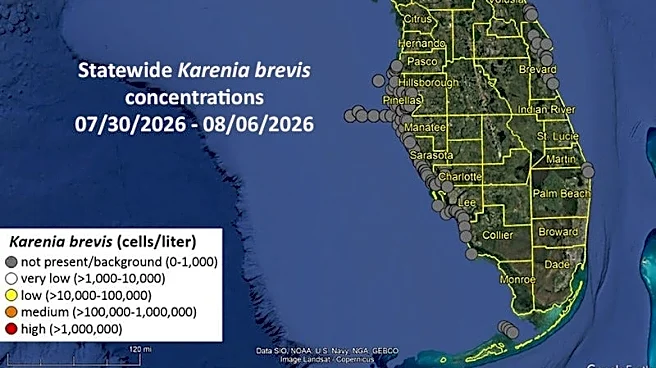
The main takeaway is that concentrations have increased in some locations since August 7. See map below showing last week's concentrations.

Areas that previously showed background or lower levels are now showing very low, low, and, in some locations, medium concentrations.
In other words, the August 12 map indicates that Karenia brevis is becoming more concentrated in certain areas of Duval and Nassau counties compared with the map from just five days earlier. See updated map here.
What are the symptoms of red tide exposure?
Exposure to red tide can cause skin irritation, rashes and burning or irritated eyes. Additionally, airborne toxins may also cause respiratory irritation, particularly for people who are sensitive to them.
What should you avoid during a red tide event?
Health officials recommend avoiding swimming or wading in areas affected by red tide. If you or your pet comes into contact with the water, rinse skin and clothing thoroughly with fresh water as soon as possible. Residents who live near an affected beach area should consider keeping windows closed and running their air conditioning when airborne irritation is present. Officials also advise against eating shellfish or dead or distressed fish from affected waters. Healthy, living fish can still be eaten as long as they are properly filleted and the guts are discarded.
When does red tide happen in Florida?
Red tide can occur year-round in Florida, but blooms most commonly begin in late summer and early fall, particularly from August through October.
Blooms can continue through the winter and into February or March, with October and November often seeing some of the highest intensity.
Where can you check the latest red tide conditions?
The Florida Fish and Wildlife Conservation Commission provides updated red tide reports and maps for Florida's coastline. Residents and beachgoers should check the latest information before heading into the water, particularly near areas under a health alert.
Doris Alvarez is a Breaking and Trending Reporter for The Florida Times-Union. You can get all of Jacksonville’s best content directly in your inbox each weekday by signing up for the free Daily Briefing and News Alerts newsletters at jacksonville.com/newsletters
This article originally appeared on Florida Times-Union: Red tide health alert issued near Ft. George Inlet. See local impacts