


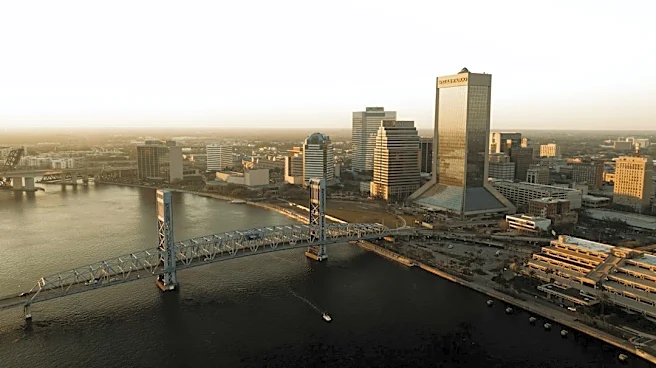

When people imagine Florida weather, they think of sunshine and sea breezes, warm weather year-round, gentle afternoon rain showers, and the occasional tropical storm. But our little slice of Florida, in the far northeastern corner of the state, experiences a very different reality. We get freezes almost every year, extremes in heat, weeks without rain, and then gully washers. It makes gardening a challenge. But when we learn to work with nature, we can get further ahead.
Let’s look at cold temperatures first. The USDA Plant Hardiness Zone map shows that Duval County experiences annual extreme minimum temperatures of 20-30 degrees. If you look back at historic temperature records, the numbers hold true. Our lowest temperature was 7 degrees in the winter
of 1988 and our lowest temperature was 34 degrees in the winter of 1921. This means that we are going to get a freeze almost every year. So, we need to plant things that can survive to avoid the frustration of having to cover and uncover half the plants in our yards every winter. Choose plants labeled for Zones 8-9, and you should be fine without having to cover them.
And now for the other extreme, our heat. The American Horticultural Society created a heat zone map that divides areas into zones based on the number of days with temperatures of 86 degrees and above. They chose 86 degrees because that is the temperature at which most plants will begin to show physiological signs of heat stress. Duval County is in zone 9 on the heat zone map, with 120-150 days per year at 86 degrees and above. In fact, we had 113 days with temperatures at 90 degrees and higher in 2025. The record was in 1955, with 116 days. This is a good reason to choose native plants that are accustomed to our high temperatures and can thrive in them.

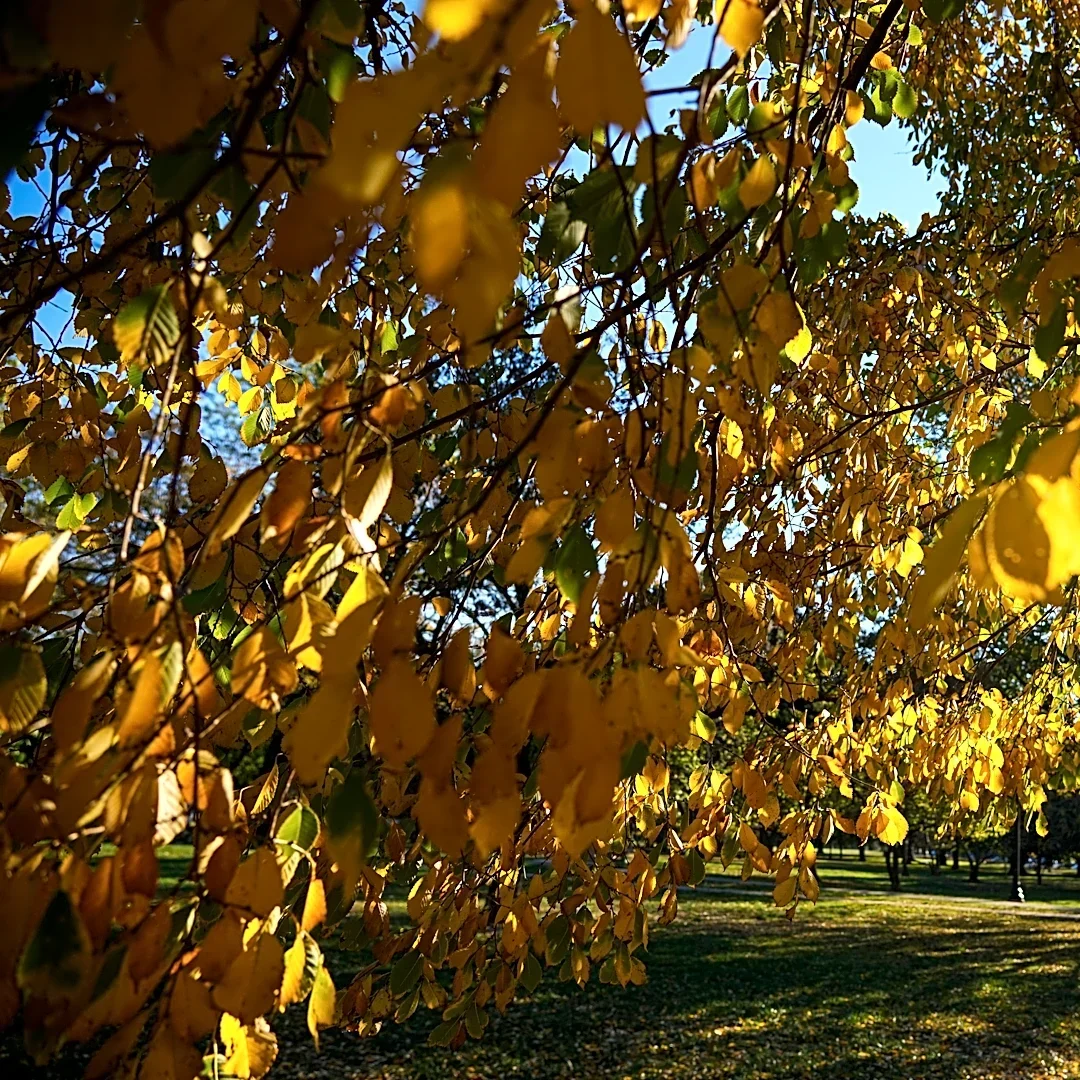
Trees that provide shade can be very helpful, too. Planting deciduous trees on the south, east, and west sides of your home will provide cooling shade in the summer and warmth from the sun in the winter when they lose their leaves. A study by Auburn University’s School of Forestry found that a building in full sun required 2.6 times as much electricity for cooling as a building in full shade. Researchers conducted the study using two identical buildings with their thermostats set at the same temperatures. The only difference was the tree cover. Florida elm, winged elm, and hophornbeam are native deciduous trees that you could consider for your yard. If you have a small lot, the hophornbeam may be a good option because it only grows 25-40 feet tall.
If the extreme heat isn’t bad enough, Florida is just starting to recover from its worst drought in nearly 20 years. In Duval County, we are still restricted to using our in-ground irrigation systems once per week due to a Phase III Extreme Water Shortage declared by the St. Johns River Water Management District. In 2025, the statewide average rainfall was 44.5 inches. Here in Jacksonville, we were even drier, receiving only 41.7 inches of rainfall. In the past 20 years, Jacksonville has had three years with less than 40 inches of rainfall. That should tell us to think drought-tolerant when we choose plants for our landscape.
Our St. Augustinegrass lawns could stand to shrink in size. At least half of household water usage in Florida goes toward irrigating landscapes. That’s a lot of potable water from the aquifer going onto the ground. Look around to see where you can replace some of your turfgrass with more drought-tolerant alternatives such as perennial peanut, frog fruit, or sunshine mimosa.

If you want to make better plant choices for your landscape, exploring the newly updated Florida-Friendly Landscaping Plants and Pollinators app is a fun way to start. Simply type the app’s name into your search bar to find it. You can use it in your browser or download it to your phone. The app features a database of more than 500 plants. You can filter them by plant type, such as tree or groundcover; sunlight requirements; hardiness zone; drought tolerance; salt tolerance; and more. You’ll get a list of plants that meet your search criteria. Then, click on the plants to see pictures and even more helpful information. When we plan for the extremes, we can experience fewer frustrations and more joyful gardening.
Tonya Ashworth is an extension agent and environmental horticulture and Master Gardener coordinator with UF/IFAS in Duval County.
This article originally appeared on Florida Times-Union: Gardening tips to beat Florida weather extremes