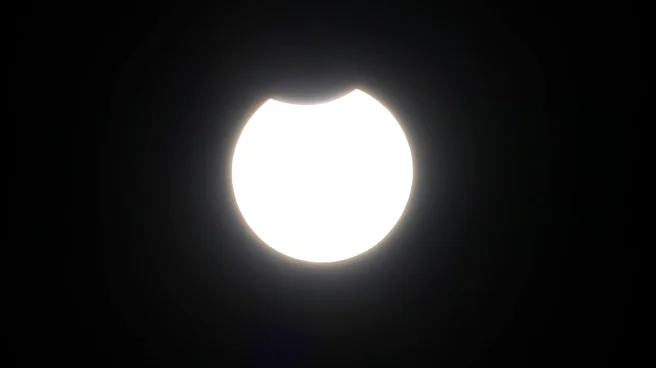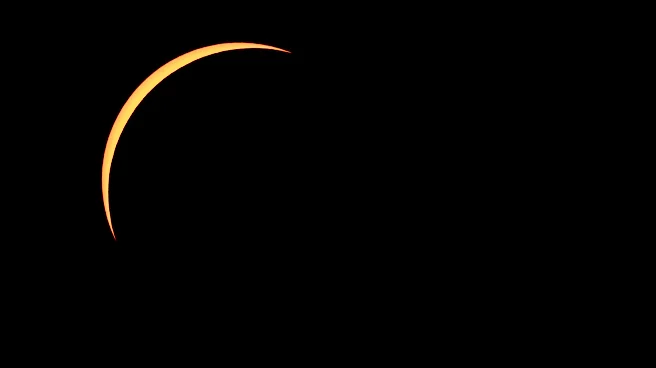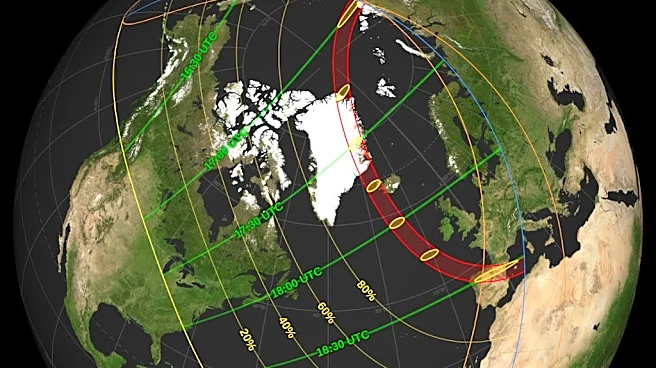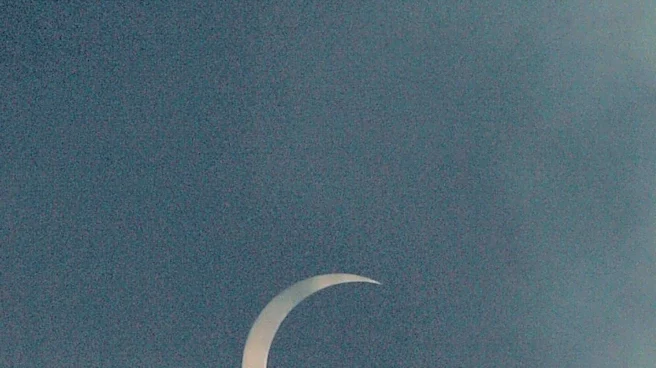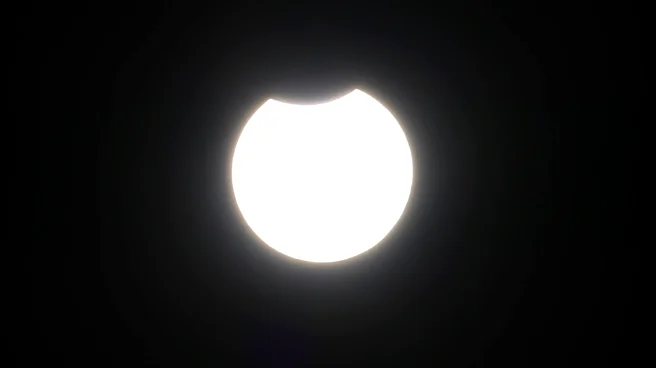

While the Aug. 12 solar eclipse won't bring the total darkness that parts of Greenland, Iceland and Spain will experience, Pennsylvania will be under a partial eclipse in the afternoon hours Wednesday,
meaning the moon will take a bite out of the sun.
The eclipse reaches its worldwide peak around 1:46 p.m. EDT and will be visible across parts of the Northeast and Mid-Atlantic.
Here's what Pennsylvanians need to know for the start of the eclipse.
What time is the solar eclipse in Pennsylvania?
The eclipse will be visible during the early afternoon on Wednesday, Aug. 12.
For most Pennsylvania locations, the eclipse occurs between approximately 1 p.m. and 2:35 p.m. EDT, with maximum coverage occurring shortly before 2 p.m
Sample Pennsylvania eclipse times
Philadelphia
- Begins: 1:11 p.m.
- Maximum eclipse: 1:54 p.m.
- Ends: 2:35 p.m.
Pittsburgh
- Begins: 1:11 p.m.
- Maximum eclipse: 1:45 p.m.
- Ends: 2:17 p.m.
Exact times vary slightly by location.
Will Pennsylvania be able to see the solar eclipse?
Yes.
Pennsylvania is among the states expected to see a partial solar eclipse on Aug. 12. While the moon will not completely cover the sun anywhere in the state, observers should still notice a visible chunk of the sun obscured during the event.
How much of the sun will Pennsylvania see covered?
The farther north you are, the greater the eclipse coverage.
Northern Pennsylvania locations will generally see a slightly larger portion of the sun covered than areas farther south. However, no part of Pennsylvania is within the eclipse's path of totality, meaning the sun will remain at least partially visible throughout the event.
Do you need eclipse glasses to watch the Aug. 12 solar eclipse?
Yes.
Because this is a partial solar eclipse, certified eclipse glasses should be worn whenever looking at the sun. NASA and astronomy experts warn that viewing the sun without proper eye protection can cause permanent eye damage.
Why won't Pennsylvania see a total solar eclipse?
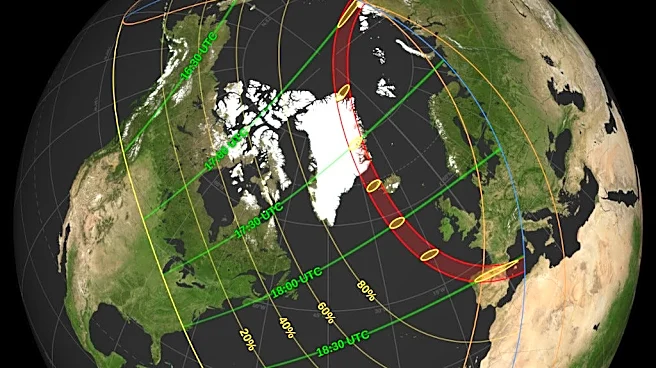
The moon's central shadow will pass across Greenland, Iceland and Spain on Aug. 12, creating a total solar eclipse there.
Pennsylvania sits outside that narrow path, so residents will only experience a partial eclipse instead of the brief daytime darkness associated with totality.
How can I watch the solar eclipse live?
Those unable to watch outdoors can follow the event online through NASA's eclipse coverage and livestreams. NASA plans extensive eclipse coverage as the total eclipse crosses Europe and the Arctic.
Maria Francis is a Pennsylvania-based journalist covering trending and breaking topics across the Mid-Atlantic and Northeast regions for USA Today Network. Reach her at mfrancis@usatodayco.com.
This article originally appeared on Bucks County Courier Times: Can we see solar eclipse in PA Aug. 12? Here are peak viewing times