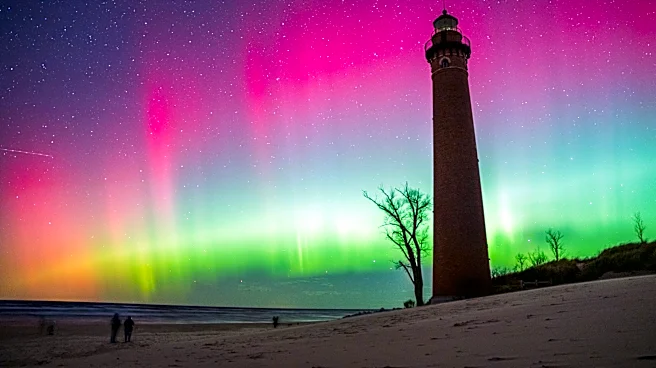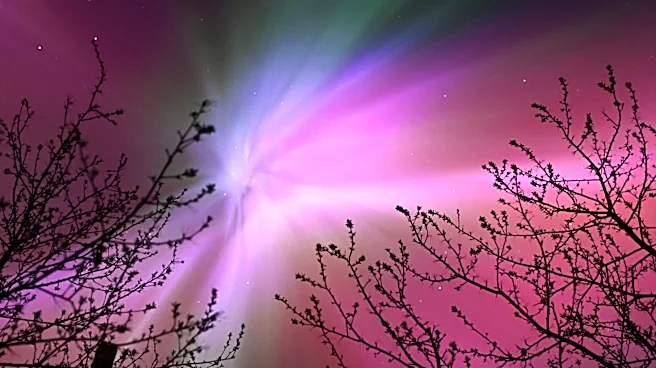





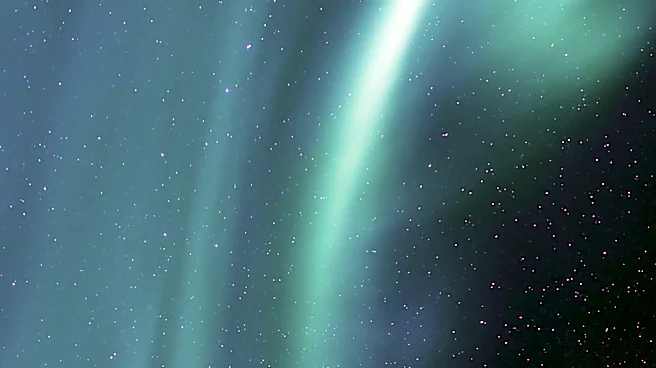

The Draconid meteor showershould be visible again Friday night, but there could be an equally impressive light show worth looking up for: the aurora borealis.
NOAA Space Weather Prediction Center forecasters are tracking multiple coronal mass ejections, or CMEs, that could trigger G1 to G2 geomagnetic storm conditions prompting the northern lights to be visible farther south tonight and through the weekend.
Multiple solar eruptions headed toward Earth can increase the chances of aurora activity beyond its typical northern viewing range, though forecasters say it remains uncertain how far south the lights may ultimately be visible.
But these storms could boost northern lights visibility across parts of the United States through the weekend, with
NOAA's aurora borealis forecast showing the potential for increased aurora activity as forecasters monitor whether the lights may stretch farther south than usual.
Here's the latest NOAA northern lights forecast, best viewing times and what Southeast Pennsylvania residents should know before heading outside.
Geomagnetic storm aurora borealis forecast: Will Pennsylvania see the northern lights tonight?
Possibly. NOAA is forecasting G1 to G2 geomagnetic storm conditions as multiple Earth-directed solar eruptions approach Earth. During G2 storms, auroras have previously been observed as far south as New York.
That means skywatchers in New Jersey, New York City and Pennsylvania could have a chance to see the northern lights Friday night if geomagnetic activity is strong enough. Forecasters say visibility remains uncertain.
What time can I see the northern lights tonight?
Wondering when the will the northern lights be visible tonight? The best viewing opportunity is likely after sunset Friday and into the overnight hours if geomagnetic storm conditions continue. NOAA's forecast shows the strongest geomagnetic activity on Oct. 9 during periods expected to reach G1 and G2 storm levels. Aurora visibility often improves after dark under clear skies and away from bright city lights.
Northern lights near me: What does NOAA's aurora forecast map show?
NOAA's aurora forecast currently places the highest chances of visibility across northern U.S. states and Canada. If geomagnetic activity strengthens, the aurora could reach farther south than forecast.
What Kp index is needed to see the northern lights in Pennsylvania?
NOAA's forecast calls for geomagnetic activity reaching Kp 6, which corresponds to a G2 geomagnetic storm. Higher Kp levels generally increase the chances of seeing the northern lights farther south, including parts of Pennsylvania, though cloud cover and light pollution remain major factors.

Why are NOAA forecasters watching multiple solar eruptions?
Scientists are tracking multiple coronal mass ejections, or CMEs, headed toward Earth. When Earth-directed CMEs arrive, they can trigger geomagnetic storms that increase the likelihood of aurora activity. NOAA says several incoming eruptions could affect both the timing and intensity of this weekend's northern lights forecast.
Will the northern lights be visible this weekend?
Possibly. NOAA is forecasting additional geomagnetic activity through the weekend, and astronomers note that multiple incoming CMEs could extend aurora opportunities beyond Friday night. Whether the northern lights become visible in Pennsylvania will depend on the strength of the storms, cloud cover and local viewing conditions.
Northern lights tonight map
NOAA's aurora forecast map shows the best chances for visibility across northern U.S. states and Canada. Visibility farther south, including New Jersey, New York and Pennsylvania, depends on how incoming solar activity interacts with Earth's magnetic field.
Northern lights visibility maps
NOAA's 3-day forecast includes Kp index forecasts and aurora visibility maps that update as conditions change. Other resources include:
- SeeTheAurora.com (live aurora webcams)
- NorthernLightsMap.com (live interactive map)

What causes the northern lights?
The northern lights, also known as the aurora borealis, occur when charged particles from the sun collide with gases in Earth's upper atmosphere, creating colorful displays of green, red and purple light.
This weekend's aurora forecast is tied to multiple solar eruptions headed toward Earth. According to NOAA, the same space-weather events that create the northern lights can also affect GPS, satellite communications, radio signals and power systems.
Best places and times to see the northern lights tonight
If the northern lights become visible in Pennsylvania, the best viewing opportunities will be after dark under clear skies and away from bright city lights. Locations with less light pollution generally offer the best chance of spotting faint aurora activity.
Smartphone cameras may capture colors and detail that are difficult to see with the naked eye during weaker displays. Check your local weather forecast, since cloud cover can block visibility.
Lori Comstock is a New Jersey-based reporter covering trending news with USA TODAY Network's Mid-Atlantic Connect Team. She covers news in the Northeast, including New Jersey, Pennsylvania, Delaware, Washington DC, Maryland, and Virginia. Reach her at LComstock@usatodayco.com.
This article originally appeared on Bucks County Courier Times: Can PA see the northern lights tonight? Time to watch, aurora forecast
Our editors independently choose our recommendations. Some content is produced with paid support from a third party, however our editorial decisions remain independent. If you buy through our links, the USA TODAY Network may earn a commission. Prices and availability may change.