
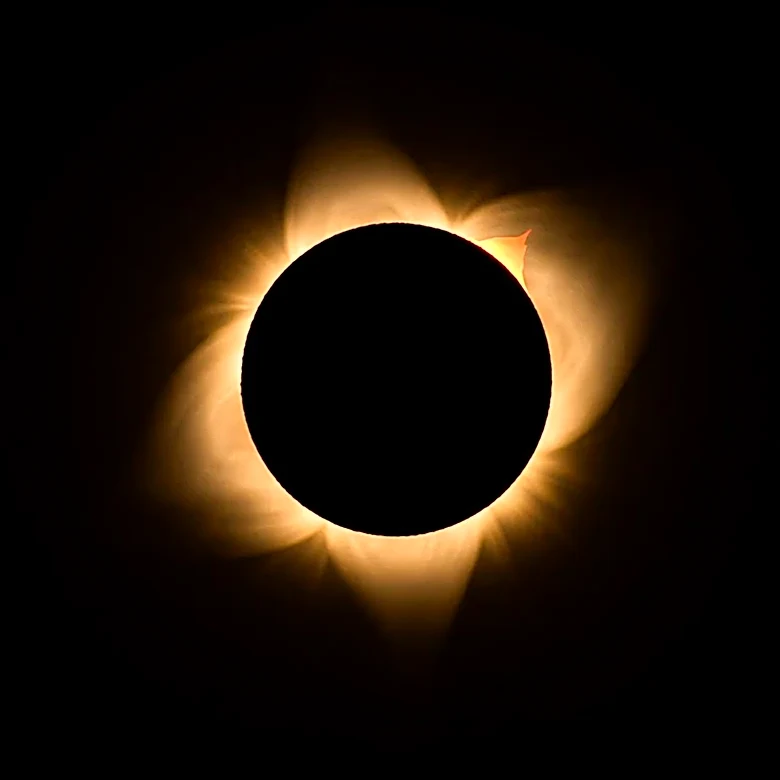





It's been a fun month for skywatchers as you may recall earlier in August we were privy to a partial solar eclipse and the Perseid meter shower.
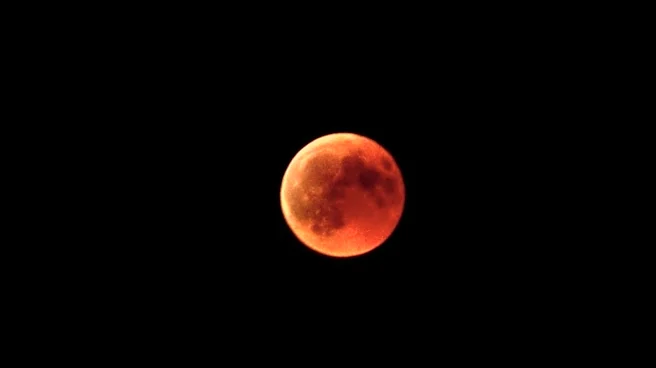
Now we are just days away from a lunar eclipse. And for added visual impact, the lunar eclipse coincides with the August full sturgeon moon, creating what will be a nearly full blood moon.
It's a moon event that promises to be a special treat.
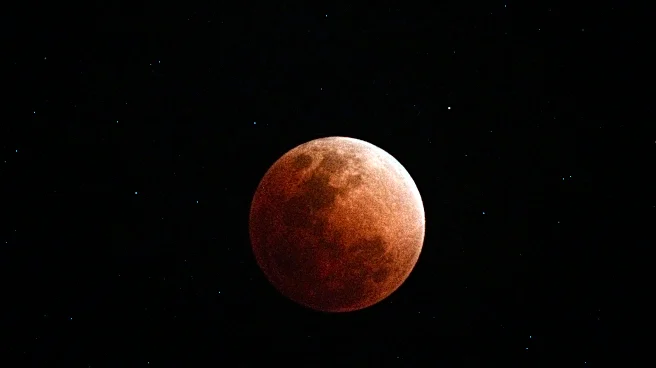
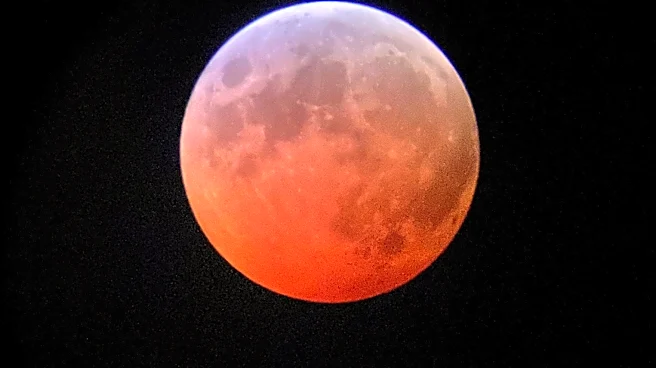
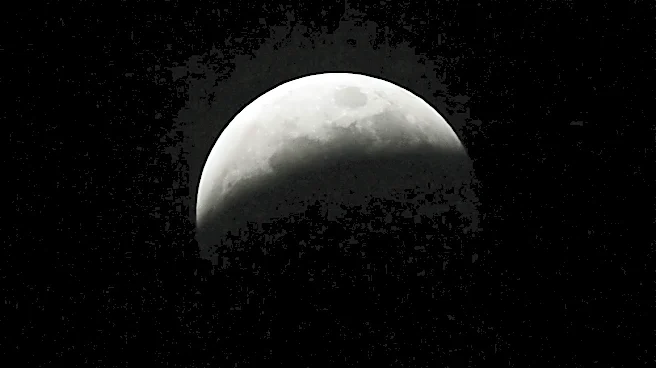
On Thursday, the night of Aug. 27 and into the early hours of Aug. 28, the moon will slip deep into Earth's shadow during a lunar eclipse, with about 96% of its surface covered at maximum eclipse. The result could be a dark orange, copper or blood-red moon hanging over the Northeast sky.
When is the next lunar eclipse in 2026?
Skywatchers won't have to wait long. The next lunar eclipse arrives with August's
full sturgeon moon on Aug. 28, 2026. The deep partial lunar eclipse could produce a blood moon effect, making it one of the most anticipated moon events of the year.
What time is the August lunar eclipse?
The eclipse begins the night of Aug. 27 and continues into Aug. 28.
The most noticeable part starts around 10:33 p.m. EDT, with maximum eclipse occurring around 12:12 a.m. EDT Friday morning. That's when the moon will be deepest in Earth's shadow and at its most dramatic.
Will the sturgeon moon become a blood moon?
Sort of.
Astronomers classify this as a deep partial lunar eclipse rather than a total lunar eclipse. But because roughly 96% of the moon will be inside Earth's dark shadow, much of it could take on the reddish color that gives blood moons their name.
In other words, if you're hoping to see a moon that looks blood red, you may get your wish.
Can you see the lunar eclipse in Pennsylvania and New Jersey?
Yes.
The eclipse will be visible across the Northeast and much of North America, weather permitting. The moon will be high enough in the sky during the deepest part of the eclipse to provide excellent viewing conditions for many skywatchers.
Do you need eclipse glasses?
No.
Unlike a solar eclipse, a lunar eclipse is completely safe to view with the naked eye. Binoculars can make the view even better, but no special equipment is required.
When is the next full moon?
August's full moon reaches peak illumination on Aug. 28, 2026.
The next full moon is the sturgeon moon, which reaches peak illumination at 12:18 a.m. EDT on Friday, Aug. 28, 2026. Like most full moons, it will appear nearly full for a day or two before and after the official peak.
Why is it called the sturgeon moon?
The August full moon gets its name from the large sturgeon fish that were historically abundant in the Great Lakes and Lake Champlain during late summer. The nickname has been used for generations and remains one of the better-known names on the full moon calendar.
If skies cooperate, the biggest show arrives just after midnight on Aug. 28, when the sturgeon moon is expected to be nearly swallowed by Earth's shadow, creating one of the year's most impressive lunar displays.
August 2026 moon phases
August's major moon phases include:
- 🌗Third Quarter: Aug. 6
- 🌑New Moon: Aug. 12
- 🌓First Quarter: Aug. 20
- 🌕Full Moon: Aug. 28
Maria Francis is a Pennsylvania-based journalist covering trending and breaking topics across the Mid-Atlantic and Northeast regions for USA Today Network. Reach her at mfrancis@usatodayco.com.
This article originally appeared on Bucks County Courier Times: August full moon a spectacle as lunar eclipse turns moon blood red