





With fall in full swing, the days are shorter, but when do we fall back for daylight saving time?
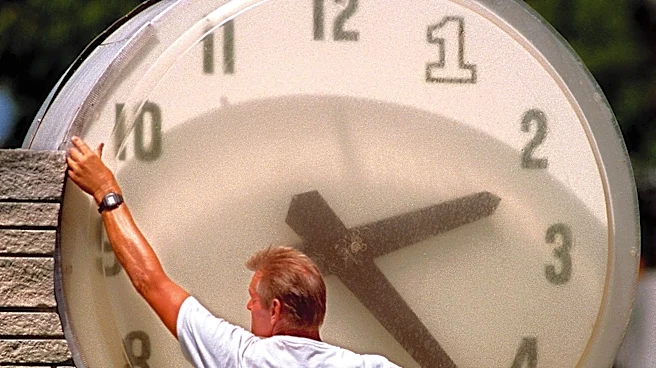
We have a few more weeks before we change the clocks. We officially fall back Sunday, Nov. 1 at 2 a.m.
Daylight saving is always the first Sunday in November. This year it follow Halloween night, giving spooky revelers an extra hour of sleep the next morning.
But for how much longer we continue this tradition is up for debate in Washington.
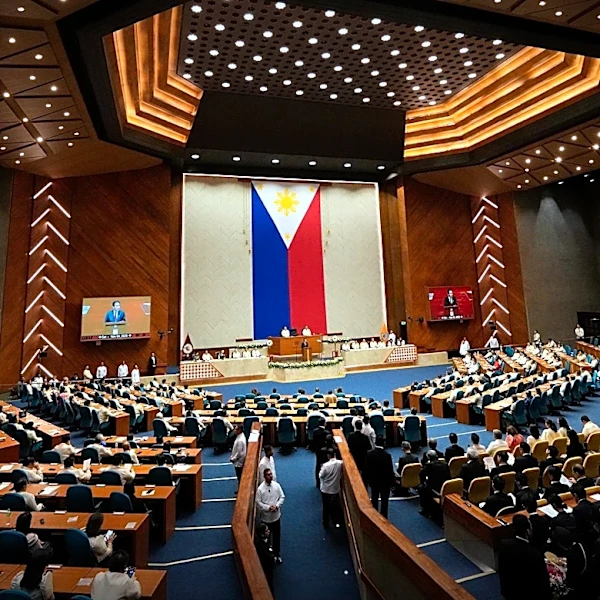
The House passed a measure 308-117 on July 14 to enact year-round daylight saving time across the country and was headed to the U.S. Senate for approval before possibly landing on the president’s desk. But like days that never seem to end, the legislation has been stuck with no vote since then.
Proponents of the Sunshine
Protection Act argue that it would spare Americans from the hassle of changing their clocks twice a year, which may disrupt young children’s sleep schedules and cause more seasonal depression.
Critics, however, have said the legislation’s economic consequences could negatively impact farmers, who would face later sunrises in the winter months.
What would year-round daylight saving time look like?
Daylight saving time occurs between the second Sunday in March and the first Sunday in November. On the longest day of the year, the summer solstice June 21, Bucks County saw a 5:30 a.m. sunrise and 8:32 p.m. sunset.

In November, when we “fall back” and gain an hour of sleep at 2 a.m., the sun rises and sets earlier as the days become shorter.
On the shortest day of the year, the winter solstice Dec. 21, Bucks saw a 7:19 a.m. sunrise and 4:37 p.m. sunset.
If the Sunshine Protection Act becomes law, we would remain in daylight saving time year-round, and the winter solstice would see a post-8 a.m. sunrise and 5:30 p.m. sunset.
The history of the Sunshine Protection Act
The bipartisan Sunshine Protection Act previously passed the U.S. Senate in 2023, but it stalled multiple times and never found its way to the president’s desk.
U.S. President Donald Trump has been a champion of the legislation and is expected to sign the bill into law if passed by the Senate. He wrote on Truth Social on May 21 that he was “going to work very hard to see The Sunshine Protection Act signed into Law.”
More than a dozen states have pushed to stop the biannual clock change, but they can’t act alone. Federal law still controls the schedule, and any nationwide change would require congressional approval.
Most Americans follow daylight saving time with the exception of those living in Hawaii, most of Arizona and some U.S. territories.
Puerto Rico, the U.S. Virgin Islands, Guam, American Samoa and the Northern Mariana Islands don't observe daylight saving time because they are located near the equator, where days and nights remain relatively similar throughout the year, making the time change unnecessary.
According to the Old Farmer’s Almanac, the idea behind daylight saving time was meant to provide more daylight during summer evenings and winter mornings.
What does this mean right now?
Nothing will change for now without the Senate approving the legislation.
Until then, you can prepare for the extra hour of sleep the night after Halloween this year.
This article originally appeared on Bucks County Courier Times: When do we turn back the clocks? Daylight saving time is coming