






Sharks fascinate and excite people around the globe, starring in movies and Shark Week programming. But in Corpus Christi, you can see one in real life.
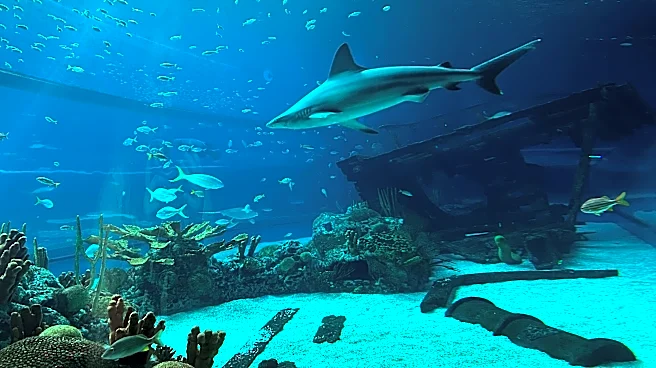
The Texas State Aquarium is home to several sharks, including sandbar sharks Nola, Freida, Catalina, Bonita and Paloma. Paloma was born at the Corpus Christi aquarium.

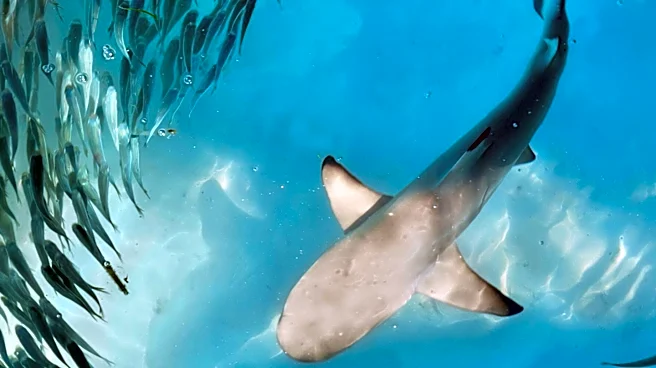
At Texas A&M University-Corpus Christi, scientists who have been featured in Discovery Channel Shark Week programming research sharks year-round. A recent discovery includes a potential sandbar shark nursery located near Texas, said Kesley Banks, associate research scientist at the Harte Research Institute Center for Sportfish Science and Conservation.
Numerous sharks species live in the Gulf. Though that might seem scary for some,
shark attacks are rare, with only about 70 unprovoked shark bites and only about five deaths annually worldwide, according to the International Shark Attack Files by the Florida Museum of Natural History, which documents 11 unprovoked shark attacks in Nueces County since 1911.
According to the Texas Parks and Wildlife Department, anglers are allowed to bag one shark a day for Atlantic sharpnose, blacktip and bonnethead sharks.
It's illegal to retain Atlantic angel, basking, bigeye sand tiger, bigeye sixgill, bigeye thresher, bignose, Caribbean reef, Caribbean sharpnose, dusky Galapagos, longfin mako, narrowtooth, night, Oceanic whitetip, sandbar, sand tiger, sevengill, shortfin mako, silky, sixgill, smalltail, whale and white sharks.
Anglers help shark researchers collect data through catch, photograph and release tournaments like the Texas Shark Rodeo and Sharkathon.
Olivia Garrett reports on education and community news in South Texas. Contact her at olivia.garrett@caller.com.
This article originally appeared on Corpus Christi Caller Times: It's Shark Week. Learn more about sharks at Texas State Aquarium