






Forty years ago, when I was just 12 years old, I camped with my family on Alacranes Reef, a remote group of islands and coral reefs off the coast of Mexico in the southern Gulf.
Back then, it wasn’t a national park, and fishing, collecting turtle eggs and queen conch, and even shark finning were taking place.
Last week, I returned to Alacranes, but this time as a researcher with the Harte Research Institute at Texas A&M University-Corpus Christi.
Eight HRI researchers joined 10 Mexican researchers from the National Autonomous University of Mexico, creating a truly binational team working together to better understand this remarkable marine ecosystem.

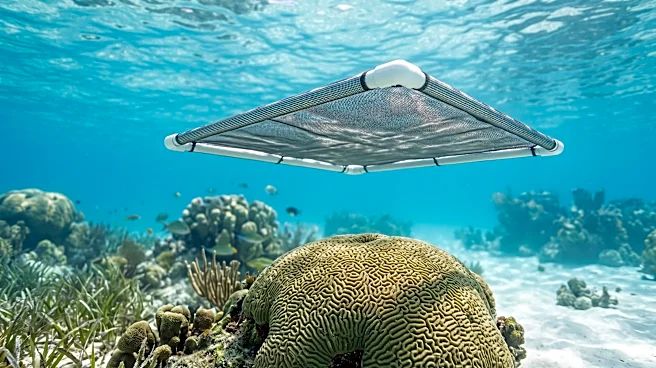
Three HRI research teams focused on different aspects of the reef. The Coral Lab documented coral
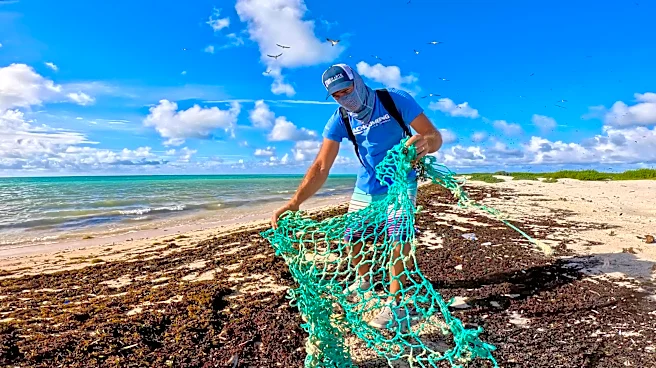
communities, examined bleaching and collected samples for laboratory analysis. The Bird Lab used drones to accurately count nesting seabirds, including masked boobies and frigatebirds. My work focused on documenting marine debris and plastic pollution through Nurdle Patrol surveys. I also filmed a 10-part Beachcombing video series that will be released later this year.
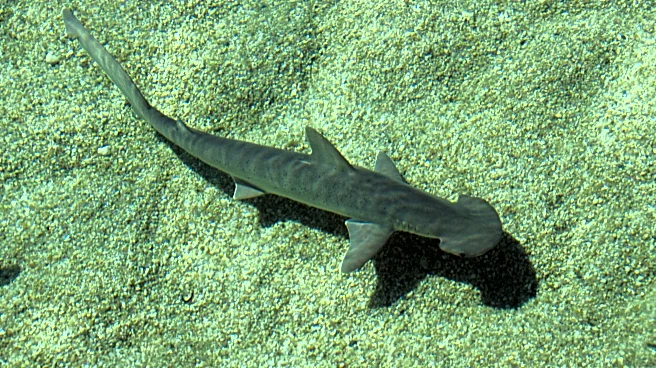
But some of the most memorable sights weren’t happening in a laboratory or on a computer screen. We watched baby sea turtles emerge from the sand and make their way toward the water. We saw countless live queen conch, an almost unimaginable number of nesting seabirds, and sharks swimming around the islands.

Seeing all of this was especially meaningful because I remembered what the reef looked like 40 years ago. Today, Alacranes is a protected national park, with restrictions on many fishing activities and the taking of wildlife.
Returning as a researcher gave me a firsthand look at what conservation and recovery can accomplish. Alacranes Reef is a true Mexican treasure and a powerful reminder that protecting special places really does make a difference.
Jace Tunnell is the director of community engagement for the Harte Research Institute at Texas A&M University-Corpus Christi. His Beachcombing series appears in newspapers, as a weekly video on YouTube and KEDT PBS, and as a weekly feature on KEDT NPR. Follow Jace at harteresearch.org, Facebook (@harteresearch) and Instagram (@harteresearch).
This article originally appeared on Corpus Christi Caller Times: How conservation transformed a coral reef in the Gulf