







Texas has more cases of a drug-resistant fungal infection than other states, according to the latest federal health data.
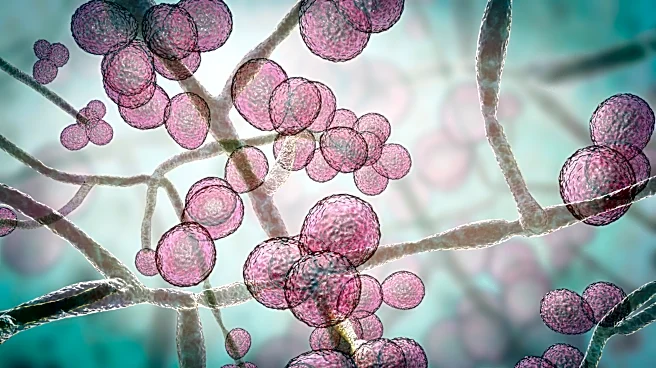
Candida auris is a harmful yeast that can cause serious infections and death. It is difficult to treat due to antimicrobial resistance and spreads easily, surviving for a long time on door handles and counters, as well as in people without causing symptoms.
The infection is often spread in health care facilities and nursing homes and mostly affects patients with severe underlying medical conditions that require invasive medical devices such as breathing tubes, feeding tubes and catheters.
As of Aug. 5, there were 743 screening cases of Candida auris in Texas, according to provisional data provided by the Texas Department of State
Health Services. In colonization or screening cases, the organism is present on an individual without showing any symptoms. These colonized individuals can spread Candida auris to other patients or to objects around them.
In clinical cases, patients are tested because they are ill. There had been 438 clinical cases in Texas so far this year as of Aug. 5.
In the state public health region that covers the Coastal Bend and Rio Grande Valley, there had been 53 clinical cases as of Aug. 5. There have also been 55 screening cases.
In comparison, there were 164 clinical cases and 198 screening cases in the region last year, up from 108 clinical and 99 screening cases in 2024.
What are the symptoms of Candida auris?
Not everyone with Candida auris will experience symptoms. Additionally, it can take a long time for symptoms to appear,according to the Texas Department of State Health Services.
Symptoms can range from superficial skin infections to life-threatening infections, according to the U.S. Centers for Disease Control and Prevention.
When the infection is in the bloodstream, patients often have sepsis and severe illness. Invasive infections can lead to death.
The fungus can also cause wound and ear infections.
Health care workers and visitors who do not have risk factors such as underlying conditions or require invasive medical devices do not generally become sick, according to the CDC.
How can infections be prevented?
Officials don't know how long someone with Candida auris is contagious.
The fungus can survive on surfaces such as door knobs and counters and disinfectants may not kill it.
Patients should expect all doctors, nurses and health care providers to wash their hands with soap and water or use an alcohol-based hand rub before touching their body or tubes going into the body.
Patients should clean their hands often before preparing or eating food and changing wound dressings or bandages and after using the bathroom and blowing their nose, coughing or sneezing.
Patients should also inform their health care providers about previous infections or screening results.
Health care providers are expected to take steps to prevent the spread of the fungus.
Olivia Garrett reports on education and community news in South Texas. Contact her at olivia.garrett@caller.com.
This article originally appeared on Corpus Christi Caller Times: Is drug-resistant fungal infection in South Texas? Here's what to know