




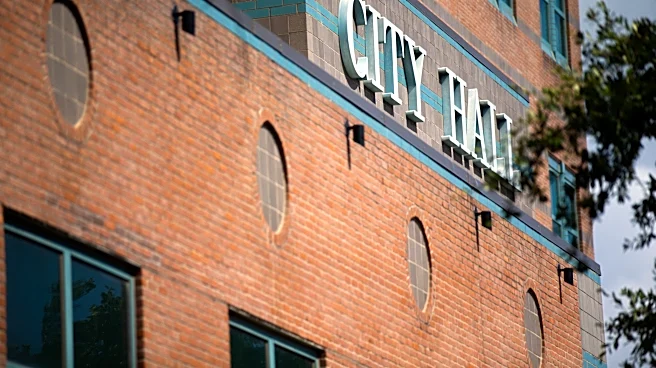


City of Corpus Christi officials plan to abide by a second temporary restraining order issued this week — which gives instructions directly opposite to the first order approved by a different judge the day before — related to a settlement agreement with developers of a controversial downtown hotel.
Judge Sandra Watts, who has been overseeing a lawsuit seeking to invalidate the original tax incentives agreement with Elevate QOF LLC, signed a temporary restraining order Aug. 19 that prohibits “the City of Corpus Christi from transferring, paying, allocating, or otherwise directing City funds to Elevate QOF, LLC,” according to a statement issued by officials late that evening.
It’s a reference to a settlement reached between the developers of the recently
opened Homewood Suites hotel and the Type B board.
The board is responsible for brokering economic development agreements funded, in part, by a portion of voter-approved sales tax revenue.

The agreement
The 2024 agreement between the board and developers awarded $2 million in tax incentives for certain publicly accessible amenities such as restaurants and retail as part of the hotel construction.
It was to be paid out in $400,000 in installments over a five-year period, contingent on developers meeting certain performance marks, the contract shows.
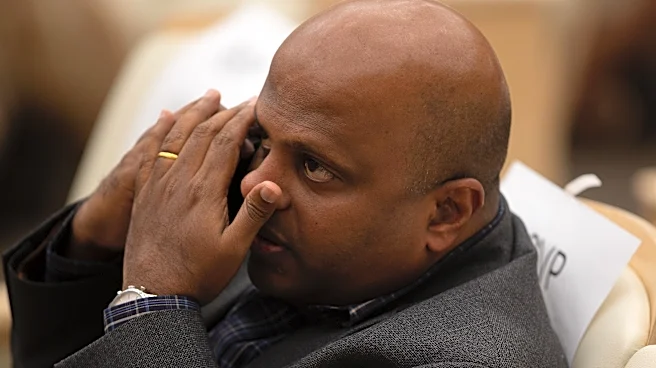
A lawsuit filed by competing hotelier Ajit David alleges that the agreement is invalid, asserting that it was secured under false pretenses and misrepresentation of the project; developers have denied wrongdoing.
The City Council had directed staff and attorneys to begin negotiations for a settlement on David’s lawsuit last month.
The Type B board, meanwhile, approved in an Aug. 10 meeting a settlement between the board and Elevate, asserting in a resolution that $2 million in eligible projects had been accomplished and that the hotel, per criteria set under the contract, was in “substantial compliance.”
Under the substitute agreement, the board terminated the original contract and instead vowed to pay a $1.5 million settlement.
The payout would have used sales tax funds maintained by the board, which are segregated from the rest of the city budget.
The intent, board members said, was to speed resolution of the lawsuit, which was set to go to mediation the same day.
City staff raised questions at the time on whether the board had the authority to execute a settlement payment without the blessing of the council.
Although the Type B board’s membership is appointed by the City Council, it largely operates independently with the exception of the council affirming its recommended economic development agreements.
However, it’s thought that the settlement would require council sign-off, either because of its dollar amount or because it could be considered a new agreement, City Manager Peter Zanoni said this week.
He cited opinions rendered by the city’s attorney, as well as an outside attorney.
Board Chair Diana Summers, in an email sent to the Caller-Times last week, disagreed, stating that the board was acting under statute and the decision had been discussed with its attorney.
The first order
Elevate filed its own lawsuit Aug. 18, this one against Zanoni, alleging that he was intentionally stymieing the settlement payment with “malice.”
The developers are seeking a $1 million judgment against him, court records show.
As part of the lawsuit against the city manager, attorneys for the developers won a temporary restraining order from Judge Jack Pulcher that barred the city manager from “continuing to freeze, withhold, delay, or obstruct” release of the funds or otherwise prevent city staff from doing so.
Court records show that the temporary restraining order was granted, in part, because the settlement was approved by the Type B board — not the city.
Lawsuit filings show developers’ attorneys as asserting that they were “suffering immediate and irreparable injury in the form of financial harm that cannot be measured with certainty, reputational damage, interference with settlement efforts, loss of business opportunities, and disruption to business operations.”
Damages to Elevate asserted in the petition include “financial losses, default on construction loans, reputational harm, loss of business opportunities, and the harm to the Homewood Suites hotel development.”
Zanoni has denied the allegations made against him in the petition, asserting that “none of this is politically motivated; it’s not personally motivated.
“It’s just basic business,” he told the Caller-Times on Aug. 19.
Zanoni has contended neither he nor anyone else had the authority to make a payment without the council’s approval.
The second order
A second restraining order, as requested by David, was the next day granted by Watts.
This one had an exactly opposite command — that the city was banned from “from transferring, paying, allocating, or otherwise directing City funds to Elevate QOF, LLC,” according to a written statement issued by city officials.
That’s the one that the city will follow, stated a late Aug. 19 email.
“The City will comply with the Court’s order and not make payments until the required authorization, including approval for such payment by the City Council, is obtained,” it stated.
The official order signed by Watts had not been posted to an online database tracking civil lawsuits as of the morning of Aug. 20.
However, documents are available for the proposed order that had been submitted by David’s attorneys earlier this month, two days after the Type B board had approved the settlement.
In the Aug. 12 proposed order, David’s attorney, Doug Allison, contended that the settlement approved by the Type B board, “by its express terms, is an attempt to circumvent or render moot this litigation.”
Should the settlement be paid prior to adjudication of the lawsuit, David would risk “loss of his legal right to contest the constitutionality of the City ordinance made the subject of these proceedings,” he asserted.
The temporary restraining order obtained in David’s lawsuit will remain in place until Sept. 2, according to the city’s news release.
Watts has been overseeing that case. However, an appeal filed to the Texas Supreme Court asking justices to force Watts to rule on a plea to the jurisdiction related to the litigation remains pending, records show.
A hearing in Watts’ courtroom on a subsequent proposed temporary injunction is set for Sept. 1, the city’s email states.
It was not immediately clear as of the morning of Aug. 20 how the competing temporary restraining orders would be reconciled.
Kirsten Crow covers city government and water news. Have a story idea? Contact her at kirsten.crow@caller.com.
Consider supporting local journalism with a subscription to the Caller-Times.
This article originally appeared on Corpus Christi Caller Times: Controversial hotel project won't receive $1.5M settlement, for now