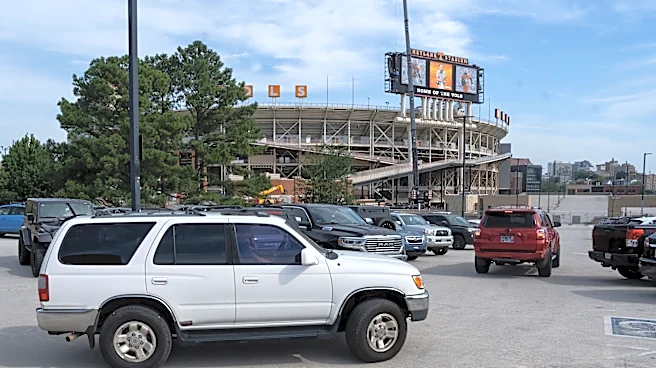




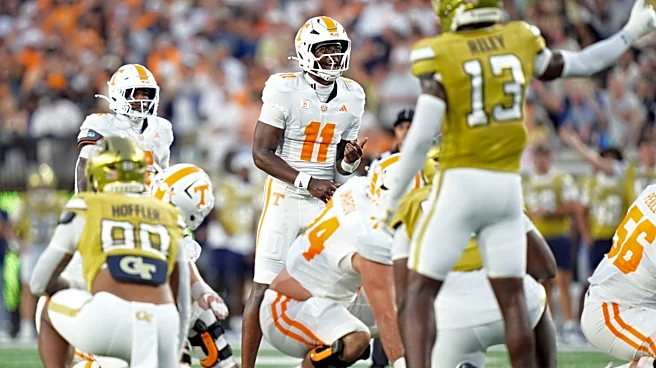
Tennessee Athletics implemented a new Neyland Stadium game day traffic pattern this year designed to get thousands of fans on their way home much more quickly.
With a home opener against Furman under their belts, Tennessee Athletics will proceed with the same strategy for the rest of the season. Roads near the stadium are switched to a one-way flow – out and toward the highways after the final whistle.
For drivers adjusting to the new pattern, UT spokesman Jason Baum says to "trust the process" and know UT is communicating with police officers to make sure each campus zone is functioning well.
In order to have a smooth game day, Baum suggests drivers "listen to our traffic personnel and follow the directions you're sent."
Here's how the system works
and what drivers should know.
New routes direct drivers westbound on Neyland Drive
The new routes are aimed at getting 100,000-plus fans home quickly and safely after the game.
Those with parking passes have received traffic flow instructions so they can plan their route.
Drivers heading west are directed onto three converted westbound Neyland Drive lanes toward Alcoa Highway, Interstate 40 and Kingston Pike. The far-left westbound lane functions as a Kingston Pike Express Lane for local drivers who don't want to get on the interstate.
In some places, officers will direct traffic east or south to eventually push drivers westbound. There are four routes that might initially head east before bringing fans around to westbound Interstate 40.
Others will be routed from campus to southbound Alcoa Highway, which connects to westbound Pellissippi Parkway and eventually westbound I-40. This means drivers cannot make their way through side streets in Fort Sanders or downtown, which eases congestion for everyone.
A different type of police presence
Game days will have a higher number of Knoxville Police Department and University of Tennessee police officers around the stadium directing traffic instead of making drivers wait for regular traffic lights.
Three zones around Fort Sanders, including controlling for those exiting the parking garages and general parking areas, will be managed by officers to keep traffic flowing.
Will the system remain for the rest of the season?
Aside from a few minor adjustments, Baum said the overall system will stay the same after trial runs. He said the traffic team is "very pleased" with how the pattern worked for the home opener.
If staffing adjustments or parking maps change, Baum said UT Athletics will alert season ticket holders.
UT police spokesperson Ryan Moore told Knox News it was too soon to tell if the plan needed changes, since many spectators left early from the Volunteers' week one game against Furman.
“We’ll see how it goes game by game," Moore said. "If it needs to be changed or tweaked, we’ll go back to the drawing board.”
Sophia Tiedge is the growth and transformation reporter for Knox News. Email: sophia.tiedge@knoxnews.com
Support strong local journalism and unlock premium perks at subscribe.knoxnews.com.
Get The T: All the news for you about UT in one spot every week
Learn about the latest from the state’s flagship campus. Our weekly email newsletter is tailored for alums, UT staffers, students, parents and community members.
This article originally appeared on Knoxville News Sentinel: Neyland Stadium traffic patterns are here to stay: What drivers must know