




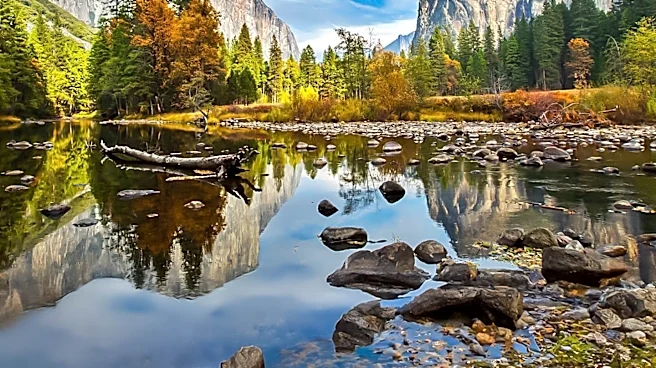

There’s still some summer fun left to enjoy before the weather begins to change, but it’s never too early to start planning your autumn trips through the Great Smoky Mountains.
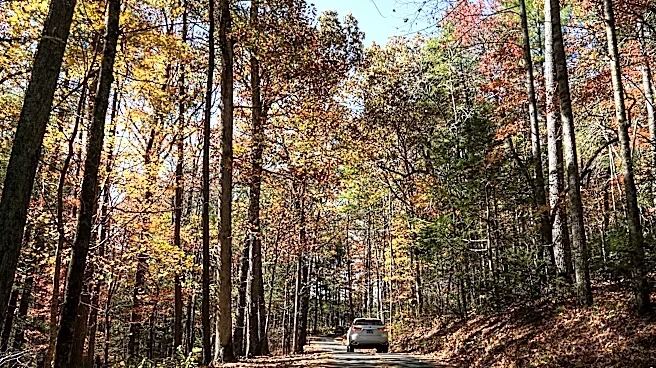
Vibrant hues of red, orange and brown cover the Smokies landscape every year, making it a prime area for leaf peeping. It’s hard to predict an exact date for peak colors, but the higher elevations (which are over 4,000 feet) usually peak early- to mid-October, and leaves in the lower elevations around mid-October to early-November, according to the National Park Service.
Here’s what to expect this season and when it's best to plan those leaf-peeping visits.
When is the first day of fall?
Sunday, Sept. 22, is the first day of fall this year. The first day is also known as the autumnal equinox, which begins
at 8:04 p.m. in the Northern Hemisphere, The Old Farmer’s Almanac says.
When will leaves change colors in East Tennessee?
Autumn leaves begin to change in the highest elevations of East Tennessee in late September before gradually working their way down the mountains through October, according to the Almanac. Middle and West Tennessee typically enjoy their brightest color displays from late October into early November.
Fall ends Dec. 21, the date of the winter solstice and the first day of winter in the Northern Hemisphere.
When are the peak fall colors in the Great Smoky Mountains?
Smokymountains.com has an interactive 2026 Fall Foliage Map with a visual prediction of fall colors across the United States each week of the fall season. The tool cannot guarantee 100% accuracy but is helpful for planning trips.
The Smokies are predicted to have peak colors by mid-October this year, according to the interactive map. The rest of East Tennessee should expect peak fall colors around the end of October, with peak fall colors reaching the rest of the state through early November.
Explorefall.com's forecast predicts peak colors in the Smokies will be between late October and early November this year.
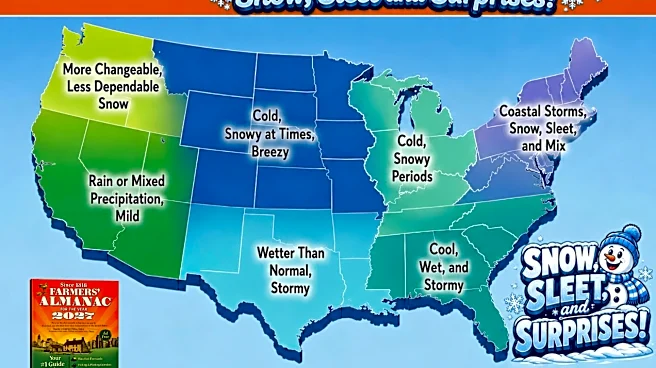
Weather can shift peak timing by several days, and can influence color intensity, according to the Farmers Almanac. Sunny days, cool nights, adequate rainfall and the absence of strong winds often produce the brightest displays, while drought, heavy rain, or an early frost can shorten the season or reduce color intensity.
The Almanac is predicting a warm, dry fall for Tennessee.
Devarrick Turner is a trending news reporter. Email devarrick.turner@knoxnews.com.
Support strong local journalism by subscribing at knoxnews.com/subscribe.
This article originally appeared on Knoxville News Sentinel: When to plan a trip to see best fall colors in Great Smoky Mountains