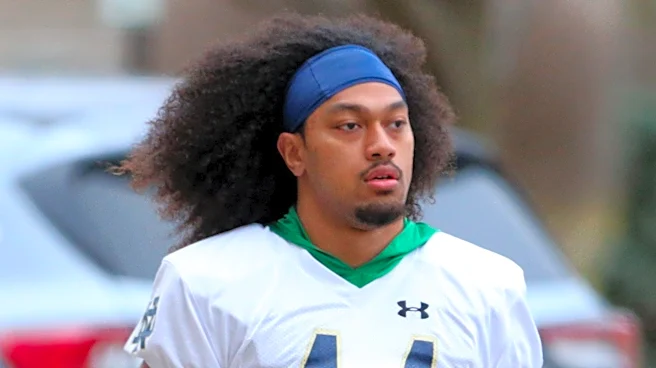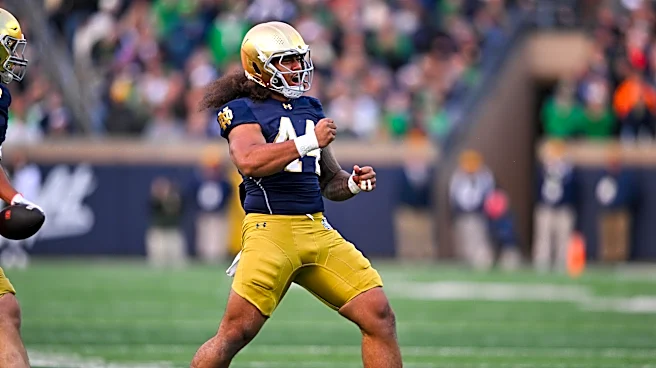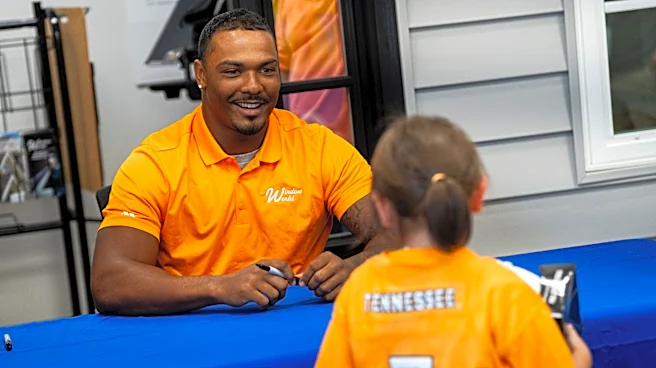

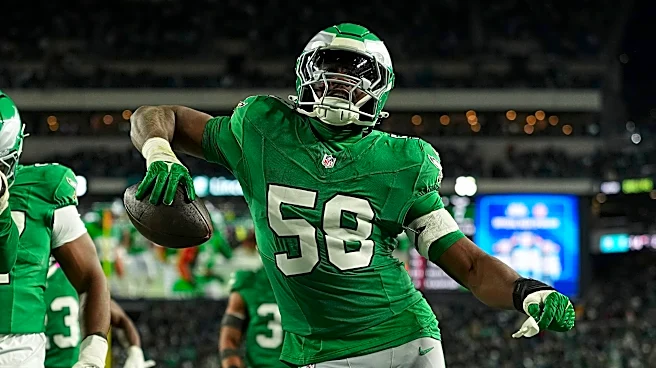
Tennessee linebacker Arion Carter remains suspended for two games by the NCAA for accepting a $427 flight to an NFL pre-draft training facility, but well-paid players cut from NFL rosters might return to college with no penalty.
That doesn’t sound right. But it’s moving closer to reality in a head-scratching sequence of events that could leave the Vols as the victim of selective NCAA enforcement because of court rulings.
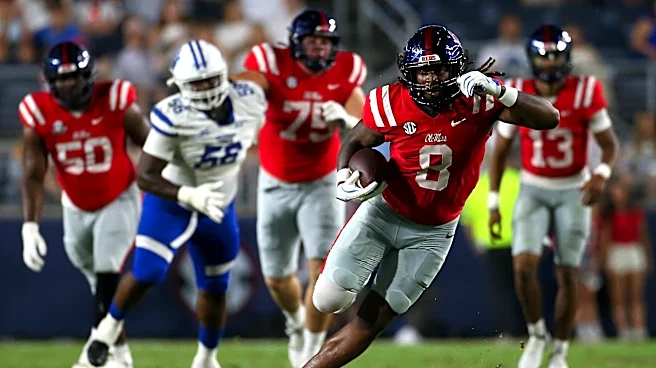
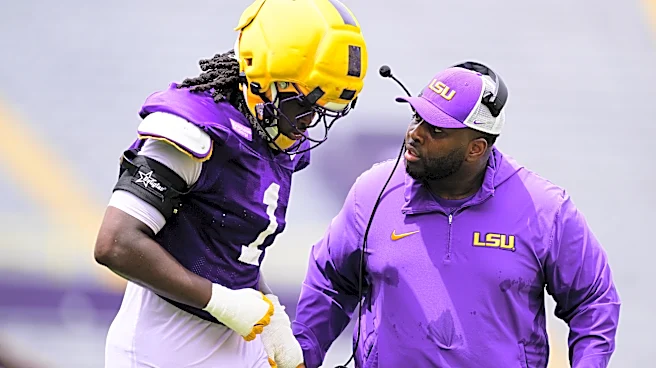
Former Ole Miss tight end Dae’Quan Wright was cut by the Cleveland Browns on Aug. 23. His agents told ESPN that if Wright clears waivers, he plans to return to college and play for LSU, reuniting with coach Lane Kiffin. Wright already entered the transfer portal, an allowance from his lawsuit against the NCAA.
Wright was paid $50,000
by the Philadelphia Eagles and Cleveland Browns as an undrafted free agent. But he could be days away from rejoining an SEC team and playing immediately in the 2026 season.
Other players exploring a return to college football have already received six-figure salaries from NFL teams.
How could Dae’Quan Wright go from NFL to LSU?
Wright was among a group of former college players that sued the NCAA in Louisiana over its fifth-year eligibility rule.
In June, the NCAA passed a new rule that gives each student-athlete five years of eligibility to compete. But the rule came too late for the outgoing seniors from 2025-26 academic year to take advantage of, so they instead went to the NFL.
Now some of those players who played only four seasons want to utilize their fifth year of college eligibility just like current and future players can under the new NCAA rule. Their argument is that they would’ve stayed in school if they knew the rule was going to change following their senior season and the 2026 NFL Draft in April.
A Louisiana judge granted a temporary restraining order that awards the players in that case a fifth year of eligibility and the ability to transfer. That state court also suspended the NCAA’s ability to enforce its rules banning professional players from returning to college.
That judgment in Louisiana only pertains to plaintiffs in that suit. The NCAA got a small victory in a federal case in Colorado, Wisne v. NCAA, when a judge granted to stay the case pending appeal by those players.
There are 18 other cases at the state level challenging the NCAA’s enforcement of eligibility rules against recent seniors who signed professional contracts, according to research by Sam Ehrlich, a Boise State professor who tracks these NCAA eligibility cases.
If any NFL players are allowed to play college football again without penalty, Carter’s suspension will seem even more out of place.
Why NCAA suspended Arion Carter for $427 flight
Carter, an All-SEC linebacker, must sit out Tennessee’s first two games of the 2026 season against Furman (Sept. 5) and Georgia Tech (Sept. 12).
The NCAA suspended him because he accepted a $427 flight purchased by his sports agent to his pre-draft training facility during the brief time that he was entered into the NFL draft pool.
On Jan. 5, less than a month after declaring for the draft, Carter reaggravated a foot injury, which required surgery. He withdrew from the draft, repaid his agent for the flight and terminated the contract with his agent so he could return to Tennessee.
That didn’t satisfy the NCAA, which initially suspended him for three games for accepting an impermissible benefit. It was reduced to two games after UT appealed the decision.
Tennessee coach Josh Heupel said the suspension was “bullshit” during a press conference on Aug. 4. He argued that enforcement of the rule was “completely outdated” in the NIL era, when college athletes are paid millions of dollars and provided perks within the rules.
Will NFL players play for SEC teams while Carter is suspended?
It appears Wright could be the first player cut by an NFL team to return to college. He had 635 yards receiving and five TDs under Kiffin at Ole Miss last season.
If Wright is successful, others may follow him.
Former LSU edge rusher Jack Pyburn is the primary named plaintiff in the Louisiana suit. He signed as an undrafted free agent with the Tampa Bay Buccaneers for a guaranteed $115,000, according to Spotrac, a website that tracks professional contract terms.
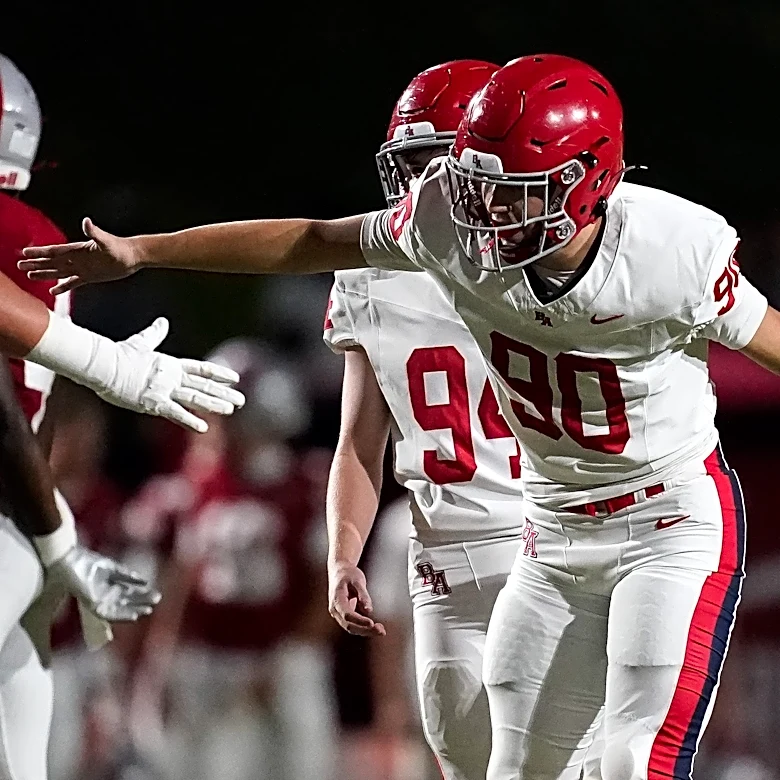
Safety Wydett Williams and defensive tackle Zxavian Harris, who both played for Kiffin at Ole Miss, are also plaintiffs in the Louisiana suit. Williams was paid $110,000 guaranteed by the Arizona Cardinals, and he’s still on that NFL roster in the preseason. Harris’ guaranteed pay has not been reported, and he was waived by the New Orleans Saints.
Any SEC player attempting to return to college and transfer to another SEC school would have to challenge the conference’s rule that restricts intraconference transfers outside of the January portal for football players.
SEC commissioner Greg Sankey has publicly opposed NFL players returning to college. In an affidavit, he asked the Louisiana court to uphold NCAA rules and not allow athletes who have signed a professional contract to be eligible to compete at the college level.
That case doesn’t directly impact Carter’s position against an NCAA suspension. But if former NFL players are permitted to play immediately in the upcoming college season while Carter sits out two games, it’ll shine a light on the inconsistent enforcement of NCAA rules because of court rulings.
Adam Sparks is the Tennessee football beat reporter. Email adam.sparks@knoxnews.com. X, formerly known as Twitter@AdamSparks. Support strong local journalism by subscribing at knoxnews.com/subscribe.
Get the latest news and insight on SEC football by subscribing to the SEC Unfiltered newsletter, delivered straight to your inbox.
This article originally appeared on Knoxville News Sentinel: Why could NFL players return to college while Arion Carter is suspended?