






“You wanna see something really scary?” asked about-to-turn-into-a-monster Dan Aykroyd of his next victim in “Twilight Zone: The Movie.”
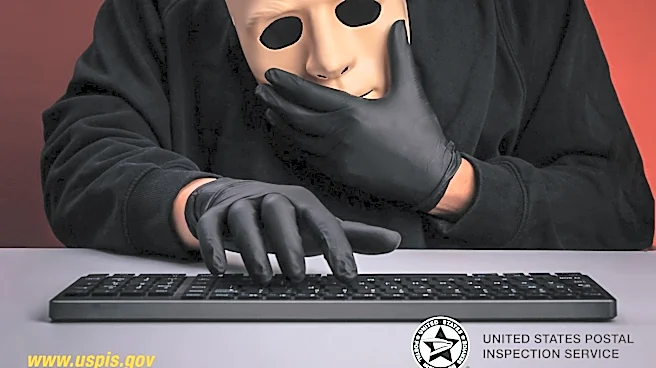
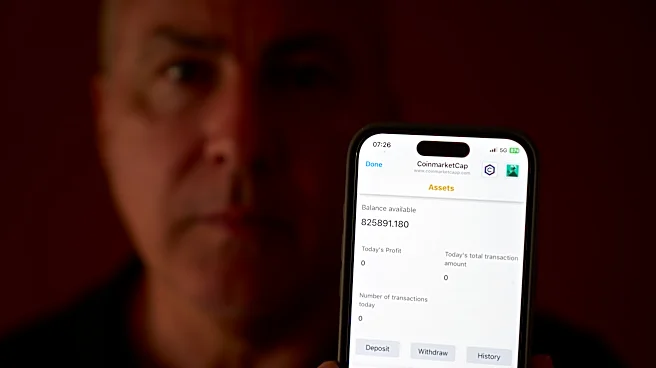
Similarly monstrous are the statistics about AI-generated financial scams, thefts, robbery and other crime. Artificial-intelligence technicians are using increasingly sophisticated programs to steal from businesses and individuals.
Sometimes, perpetrators are on the inside of a business. A Journal of Accountancy article on fighting fraudin business accounts receivable and accounts payable departments notes: “Increasingly, internal fraud investigators are spotting fraudulent receipts and other fake documentation that employees have created with AI products. A large language model (LLM) can generate and supply
a ‘ghost vendor’ with a long paper trail. The competence barrier has eroded, making it easier and more tempting for anyone to attempt a scheme.”

Norton, an internet security firm, compiled some really scary statistics on the degree scams are parting people from their money and business or personal information in the post “31 mind-blowing stats and facts about scams for 2026.”
Among them:
∎ In 2024, U.S. consumers filed 2.6 million fraud reports, equating to 7,100 successful or attempted scams occurring daily – and that’s only the number reported to the FTC.
∎ One in three adults reported being targeted by scammers, with 25% of them actually being taken in.
∎ “High-stakes scams such as investment fraud, business email compromise, and impersonation-based schemes account for a disproportionate share of reported financial losses in the U.S., despite generating fewer complaints than higher-volume scam types.”
∎ “The 2025 IC3 Internet Crime Report warns that deepfake fraud is playing a growing role in employment scams, with fraudsters using AI to conduct fake interviews. Their ultimate goal is generally to gain access to computer systems.”
AI-generated “deepfake” fraud can include videos, document creation, voice mimicry and other tactics. A dynamic “deepfake” example is theft that occurred in Singapore in 2024: “Finance worker pays out $25 million after video call with deepfake ‘chief financial officer'”:
“A finance worker at a multinational firm was tricked into paying out $25 million to fraudsters using deepfake technology to pose as the company’s chief financial officer in a video conference call, according to Hong Kong police.
“The elaborate scam saw the worker duped into attending a video call with what he thought were several other members of staff, but all of whom were in fact deepfake recreations, Hong Kong police said at a briefing on Friday.”
The Singapore event was two years ago; AI has advanced spectacularly since then, and sometimes for criminal uses.
Given the massive numbers of emails generated daily by businesses, a particularly dangerous evolving threat is called business email compromise, in which someone known by the recipient – perhaps a co-worker, supervisor or CEO – sends an email message asking for information or directing an action – but it’s not from any of those people. The FBI warns that even legitimate-looking senders may be thieves: “Slight variations on legitimate addresses (john.kelly@examplecompany.com vs. john.kelley@examplecompany.com) fool victims into thinking fake accounts are authentic.”
The scams and their tactics are multiplying and mutating daily, and are increasingly diabolical because of AI applications. It requires being on guard, which takes work, time and ever-expanding knowledge.
Accountants knowledgeable in scam avoidance can help keep clients from being fraud victims. Accountants can help identify vulnerabilities; institute corporate security measures such as passwords undetected by AI; and set up extra layers of accounting protection.
Be alert, be aware, and be up to date on AI fraud. Because in your finances or business, you really don’t want to see something really scary.
Samuel French is president of the accounting and business consulting firm Rodefer Moss & Co. PLLC, headquartered in Knoxville. The company’s website is rodefermoss.com.
This article originally appeared on Knoxville News Sentinel: Take steps to protect yourself from AI-generated fraud | Samuel French