

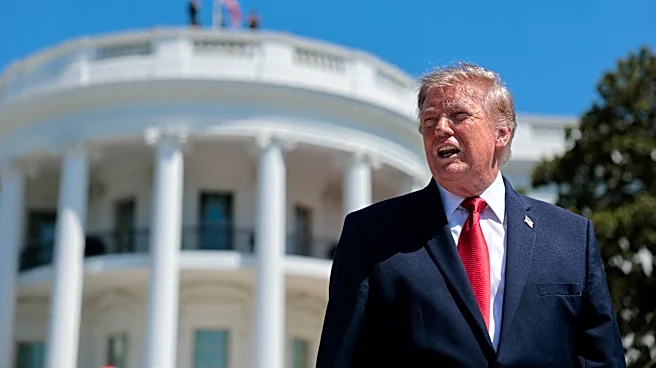
“We won’t be unscathed,” I told my wife when I heard that President Donald Trump would be in Knoxville for theUT-Texas game.
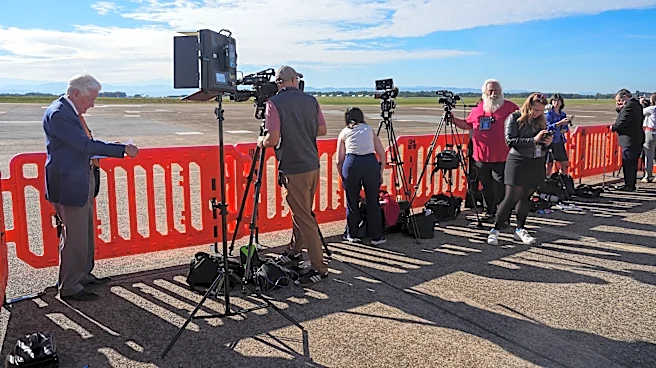
When I worked in Knoxville’s city government as director of public affairs and mayor’s press secretary, I was twice the chief liaison with the Secret Service and White House advance teams as they readied the city for President George H.W. Bush’s arrival. The activity, manpower and resources devoted to moving POTUS from one location to another was, and is, astounding. The advance teams came in waves, with each successive wave changing much of what the previous wave had decided.
Some decisions were big. Some, it seemed, were made because they could make them. For example, when a row of seats at Knoxville’s Civic Auditorium,
where President Bush would speak, would slightly impede the news camera riser platform, out came the seats.
Bush took a side trip to Oak Ridge National Laboratory, requiring a separate set of advance work and planning: I particularly remember a briefing in which diagrams of little presidential footprints were shown entering and exiting various rooms, with instructions on how long he’d be in each room, who he’d meet and why they were there.
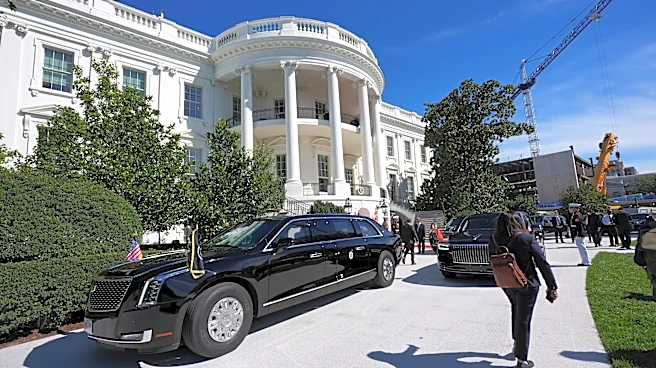
When discussions at such meetings turn to roadways upon which the presidential armored tank (limousine) will drive, it’s not a matter of can they, or should they, be closed: they get closed.
Saturday the traffic issue wasn’t of great concern to us, though we were coming back from Florida through Orlando International Airport before and during the football game. With a noon gametime, I told my wife the chances of a flight disruption were high, as airspace is closed for Air Force One. An internet search explains the no-fly zone is “usually a 10-nautical-mile radius from the surface up to 17,999 feet MSL (mean sea level). General and business aviation are strictly prohibited without specific security clearance.”
Our Orlando-to-Atlanta flight leg was fine. Remarkably, we took off from Atlanta for Knoxville a bit early, with a 2:30 arrival time. I was amazed when the flight attendant announced that we were on final descent to Knoxville. About 10 minutes from landing, the hammer fell: the pilot announced that because of Air Force One’s schedule, we’d have to fly around for about 30 minutes. “What I expected,” I said to my wife. And only 30 minutes? Not likely.
About 20 minutes into our unscheduled flight addition, the pilot told us that the restricted airspace time had been extended, and that we were diverting to Chattanooga for fuel. We finally arrived in Knoxville at 4:30 p.m. The taxi driver who met us said it hadn’t been better on the ground for one of his customers: when the airspace was closed, no planes could depart, which meant planes already arrived couldn’t unload their passengers.
U.S. presidential travel staff number in the hundreds or thousands for every visit, every time, for the Secret Service, White House communications staff, medical teams, cargo planes for the presidential limousine and other vehicles, explosive ordnance experts, and a lengthy list of others. Local and state resources are added for every visit, every time.
The opinion here is that the production has gotten do big for four reasons: evolving and continuous threats; to have skilled people in place to ensure the best visuals of the president; because of fear of something being undone leading to something bad happening; and because the bigger the security apparatus, the more important each person involved can seem.
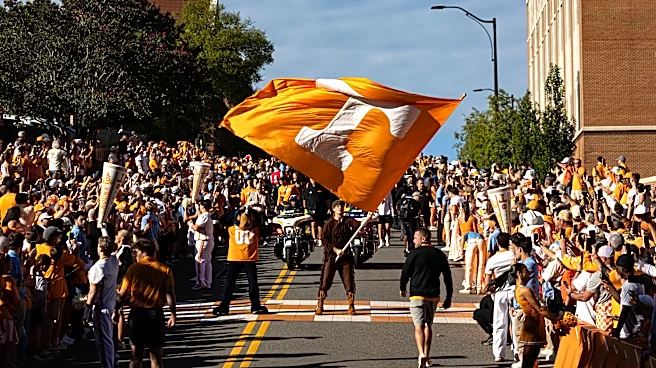
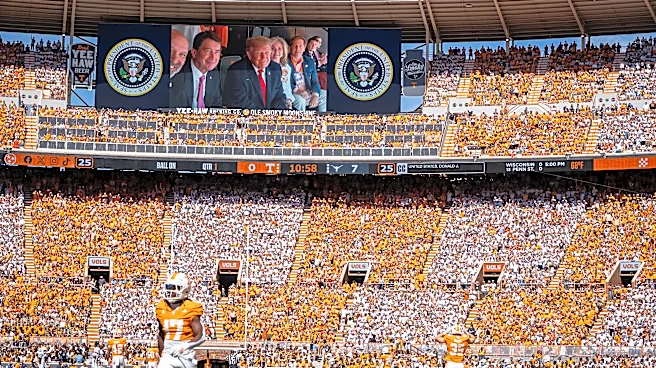
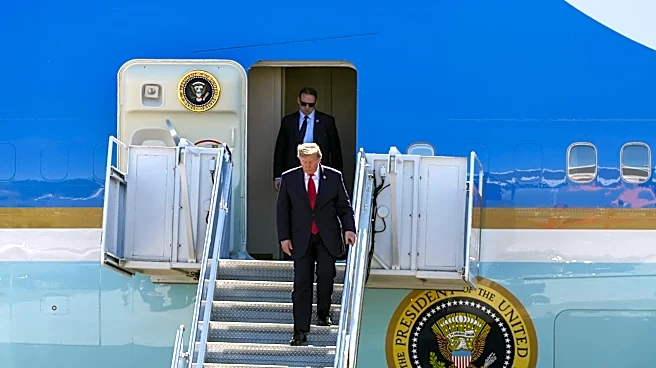
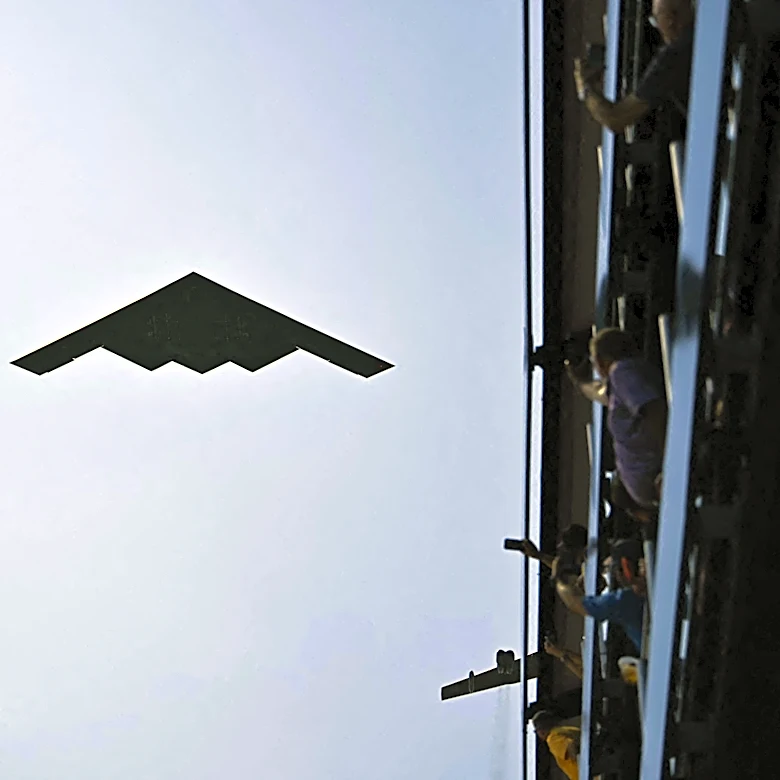
It’s an honor for presidents to visit Knoxville, and many people were excited on this trip about seeing Air Force One overfly Neyland Stadium.
But one wonders, while flying into Chattanooga for your plane to take on more fuel because Air Force One is in the neighborhood, if presidential visits must be such massive undertakings. And I thought about what I learned working with the Secret Service and advance teams: it’s interesting to watch them, you’re glad to be in the mix, it’s kind of exciting, and you get to meet the president. Nevertheless, when they leave, you’re glad to say goodbye – along with a whole lot of other people trying to get where they need to go.
George Korda is a political analyst for WATE-TV, hosts “State Your Case” 5-7 p.m. Sundays on WOKI-FM Newstalk 98.7 and is president of Korda Communications, a public relations and communications consulting firm.
This article originally appeared on Knoxville News Sentinel: Presidential visit brings presidential-sized travel problems | Opinion