



I recently finished a nine-day work trip to Denmark. While it may seem this Scandinavian country and Tennessee have little in common, there actually is a lot to compare and to learn from. Size and population are not as different as you might suspect. Tennessee has more than 7.3 million people, Denmark slightly more than six million. Tennessee is roughly 42 thousand square miles, compared to just 16.6 thousand for Denmark.
One striking thing in Denmark is the proliferation of bicycles, more bicycles than people. Only the Netherlands rivals Denmark in bike riding. One can see moms wheeling around with children, or shoppers with a small group of items in a basket. Bike lanes are routine; drivers largely seem to know the rules of the road when deferring
to cyclists. Some pedestrian tourists may stray into the bike lanes, but people in Denmark take trips, large and small, by pedaling. The numerous rail and mass transit trains have specific spots for one’s bike.
This stands in sharp contrast to Tennessee where bike lanes are few, and clustered in and around certain urban neighborhoods. This situation can prove tragic. Injury lawyers report six to 12 Tennesseans die each year and dozens more are injured in bicycle-auto crashes. Here we could take some ideas from our Danish friends. Mass transit must mean more than a bunch of people in a car. Sadly, our state legislature’s transit plans amount to more roads, some with tolls.
On the brighter side, Denmark and Tennessee both can boast of gifted writers committed to children. Denmark gave us Hans Christian Andersen, prolific writer of many works especially fairy tales like "The Ugly Duckling" and "The Little Mermaid." We in Tennessee celebrate and mourn the loss of Dolly Parton, author of numerous songs and some books, and founder of Imagination Library, sending three million free books a month to children.
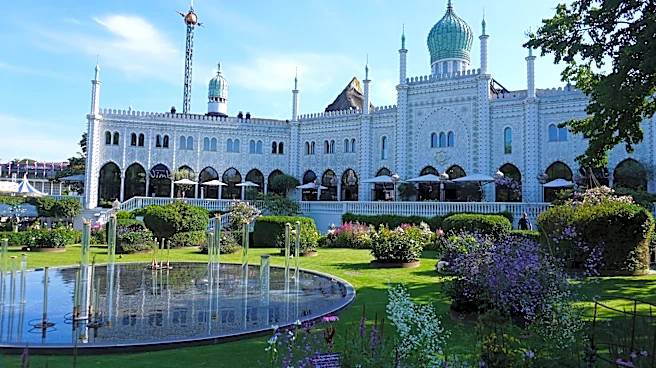
Dollywood, of course, is a sprawling and successful amusement park. Copenhagen has Tivoli Gardens, a very early amusement park. Though surrounded by the city, this oasis crams a lot of fun into a small space without ever feeling crowded. Some of its rides push high into the night sky to swirl riders into screams of glee.

My recent trip took me to Aarhus and its university, well before the start of classes, but still several dozen students passed through the vegetarian buffet adjacent to the library; the pasta dishes and meatless chili were quite good. My Danish colleagues reminded me that tuition there is free, plus students got a $1,000 monthly stipend. Our Tennessee support or education (primary, secondary, collegiate, and trade) is not nearly as generous.
Danish health care is available at no out-of-pocket costs. Meanwhile, our state has thrown away $29 billion and counting by refusing to take Medicare expansion. Across Denmark one can find wind turbines steadily creating clean energy, all the while our president and Secretary of Energy press forward with dirty coal and undervalue renewable power.
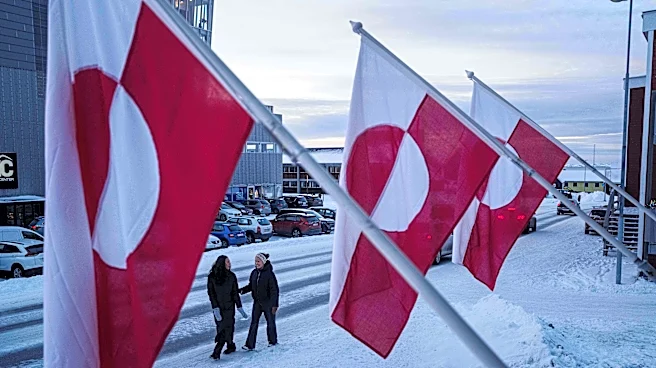
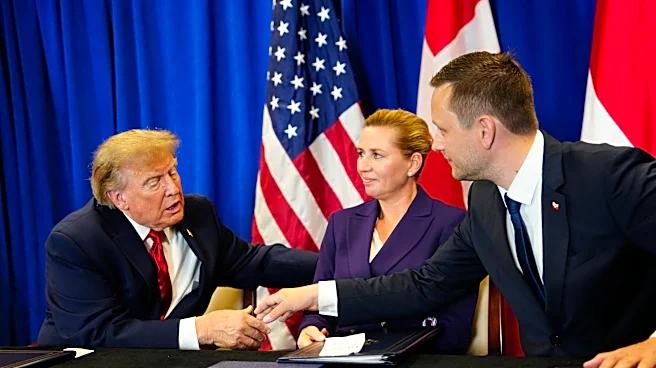
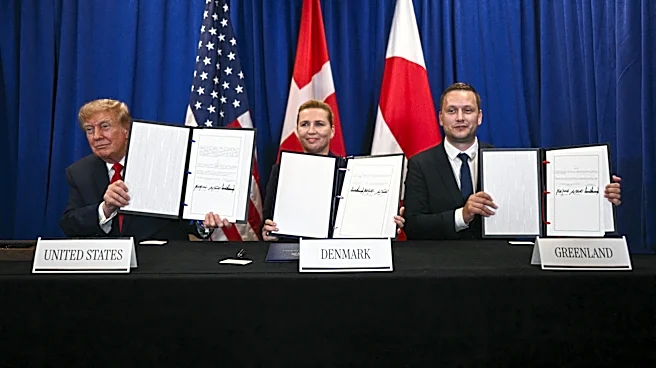
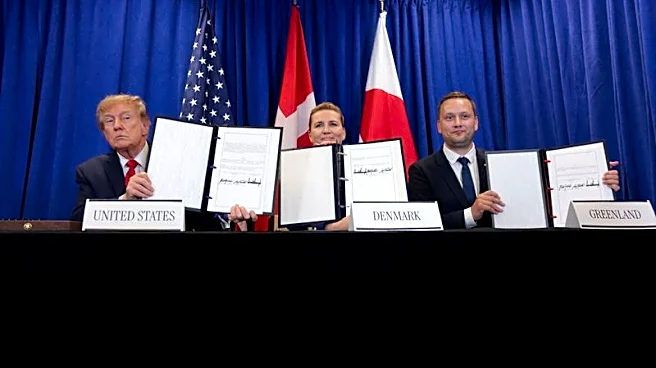
Denmark and the U.S. are both NATO countries. Yet the current administration threatens the Danish territory of Greenland. President Trump even lies about Europeans not helping the U.S. in times of crisis. Yet, some 52 Danes died helping us fight wars in Afghanistan and Iraq.
Another sharp contrast in the approach to Environmental, Social and Governance (ESG) investing. The leading Danish business newspaper, Børsen, actively is promoting ESG investing by relaying success stories of it to its readers outside the normal paywall. By contrast, our Tennessee Attorney General Jonathan Skrmetti sought to burnish his Trump credentials by suing and reaching a settlement with, a public fund that uses ESG investing, claiming the firm was not getting sufficient return to fulfill its fiduciary duty. Several studies suggest otherwise.
Xenophobia has nothing to do with a warrior princess or fear of an inert gas. It means an intense fear of outsiders. It currently is all the rage among radical-right politicians. Better to crumble fortune cookies (an act of wonton destruction) and point to “outsiders” than to answer for policies that benefit billionaires at the expense of the rest of us.
Travel is broadening and that works in both directions. Tennesseans gain a global perspective from interactions with people in different countries, and those people lose some of their stereotypes of Americans from interactions with Tennesseans.
Tennessee is a state that is quite capable of taking ideas from elsewhere and making them our own. We use Arabic numerals, negotiate with global corporations, attract quality international students to our college program, and dine from an array of cuisines that range from Italian, Greek, Chinese and Middle Eastern to zesty homemade barbecue.
We have given the globe great blues and country music, inspiring treks in our state and national parks, top-notch whisky, and lessons about rural electrification, flood control and collective good from Tennessee Valley Authority. We can, and should, be unafraid to adopt a few international ideas about clean energy, easy access higher education or universal health care without the ill-fitting name-calling (socialist, Marxist, communist) that sometimes comes with it.
Mark Harmon is a professor of journalism and media at the University of Tennessee.
This article originally appeared on Knoxville News Sentinel: Tennessee and Denmark could learn a lot from each other | Opinion