


MADISON, Ind. - Small cities in Southern Indiana cling to the Ohio River, interspersed with woodlands and farms on rolling hills. River towns like Madison, Jeffersonville, Clarksville and New Albany entice visitors with their captivating character and welcoming lifestyle.
“The small-town feel is real. People come here to slow down. You can park your car and walk everywhere,” says Dan Chandler, who moved from Louisville, Kentucky. Visitors enjoy the quiet, unhurried pace of Madison.
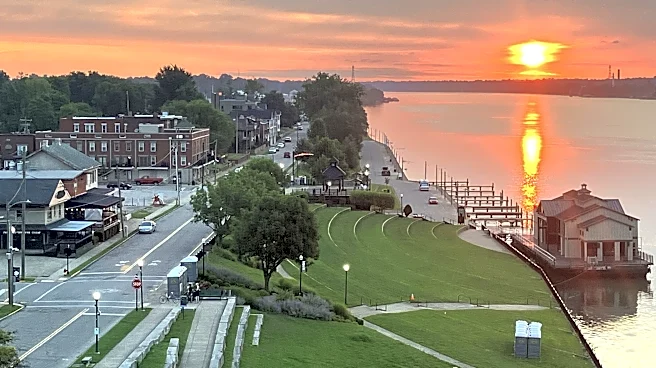
Walkers at the riverfront park watch towboats and barges churn down the majestic Ohio. Shoppers buy produce at the Madison Farmers Market or handcrafted wares at small, locally owned businesses along Main Street. Steepled churches, stately mansions and quaint cottages
enrich the cityscape.
Madison’s 133-block downtown historic district is considered the largest contiguous National Historic Landmark District in the United States. Locals have renovated many 19th-century buildings and given them new uses. A prime example is the Eagle Cotton Mill, a brick building facing the Ohio River. A hefty investment transformed the long-vacant, four-story structure into the upscale Fairfield Inn and Suites.
Though the river’s morning mist may evoke the appearance of a sleepy town, Madison residents point proudly to the city’s thriving arts and dining scene.
Mayor Bob Courtney says, “There is an amazing energy here: the greatest American Main Street, the most beautiful riverfront on the Ohio River, our hotel experiences, our dining, our shopping, and the people in particular. You’ll see that there are tremendous experiences all around.”
A spirited gathering spot is Vintage Lanes. Jazz music spills from the wine bar. On the next level, people meet for duckpin bowling, a nostalgic version of regular bowling. Movies play in seating areas of the rooftop terrace. The cellar is a secretive speakeasy.
In the glow of neon lights, art works of Elvis Presley, Dolly Parton and Mick Jagger gaze down on diners as they enjoy craft cocktails and creative entrees at Mad Love Eat + Drink.
People hold on to their hats as they cruise down the Ohio River with Rockin’ Thunder River Tours, rated the top boat tour in Indiana. The experience reflects the speedboat tradition here. Madison is a home to hydroplane racing. The sleek racing crafts barely touch the water as they skip at 180 mph upon the Ohio River during the Madison Regatta, usually held on Independence Day weekend.
On the Ohio River Scenic Byway, motorists follow the curves of the river and ride across rolling hills to reach Clifty Falls State Park, a destination with four major waterfalls. The leafy landscape also lures bicyclists and motorcyclists, especially during the fall foliage season.
River heritage runs deep
Steeped in history, Clarksville and the nearby cities of Jeffersonville and New Albany share a strong legacy of adventurers, entrepreneurs, innovators and assorted colorful characters. All have strong ties to the Ohio River.
Clarksville is situated at the Falls of the Ohio along a stretch where limestone ledges cause the river to drop 26 feet. The hazards once made the river nearly impassable for boat captains to navigate before dams and locks were constructed to regulate the river’s flow.
The limestone ledges are rich in 390-million-year-old fossils, easily viewed on the riverbanks. Exhibits at the interpretive center of Falls of the Ohio State Park display fossils and representations of the ancient sea creatures. Nearby, the 430-acre Origin Park offers expansive views of the riverscape. It is a popular biking and hiking destination, enhanced by the natural beauty of Buttonbush Woods. Several trailheads provide access to the 7.5-mile Ohio River Greenway.
This area, long inhabited by the Shawnee Tribes, attracted ambitious land speculators and forward-thinking business leaders. Explorer Meriwether Lewis met up with William Clark at the falls in 1803 to prepare their westward expedition into lands acquired by the Louisiana Purchase.
In New Albany, prosperous dry goods merchant William S. Culbertson built a Second Empire-style mansion that is open for tours as a State Historic Site. A Richardsonian Romanesque-style mansion holds the Howard Steamboat Museum in Jeffersonville. The Howard Shipyards built more than 550 steamboats and other vessels in the 1800s. Numerous steamboat models are on display amid the stained-glass windows, elegant stairways and lavish furnishings of the Gilded Age residence.
A hand pumper wagon from 1756 looks ready to operate, as do numerous fire trucks, pumpers and firefighting tools on display at the Vintage Fire Museum in Jeffersonville.
In the Civil War era, enslaved people crossed from the slave state of Kentucky to the free state of Indiana. Town Clock Church guide Jerry Finn says runaway slaves knew they were safe if they could get to Salem, a Quaker community just 30 miles north of New Albany.
Reaching Salem on the Underground Railroad meant crossing the Ohio River preferably at its narrowest point in front of the Town Clock Church. Built in 1852, the red brick church has four clocks on its tall white steeple. Once the river froze over, the escapees crossed on the “ice bridge.” Finn opens a secret hatch to the building’s basement where escapees were believed to have hidden.
The Underground Railroad story is picked up at the nearby Floyd County Carnegie Library Cultural Arts Center where an exhibition on the area’s involvement is housed. Also on display is the fascinating story of Lucy Higgs Nichols, who escaped slavery and joined the Union Army as a nurse. Her work with the troops was so vital that she received a pension for her Civil War service and marched in the Washington, D.C., victory parade in 1865.
A highlight of Jeffersonville’s downtown district is Schimpff’s Confectionery, named Best Candy Store in the country by USA Today. It has captured the hearts of generations since it opened in 1891. Imbued with much history, the interiors are lined with collectibles, such as vintage chocolate boxes and hard candy jars. Antique equipment is still used to make candies, including its signature red hots.
Roaming into the countryside
Locals would dance the night away at Rose Island, a popular resort in the 1920s.
“People arrived by boat to enjoy rides and socialize,” explains naturalist Jeremy Beavin at Indiana’s Charlestown State Park. The resort once included a swimming pool, amusement park and restaurant before a flood in 1937 ended Rose Island’s glory days. Today, the 5,100-acre state park offers 15 miles of hiking trails through a densely forested mountain area.
All the best of Hoosier farm living is seen at Huber’s Orchard and Winery in Borden. The acreage and barns of the family enterprise, founded in 1843, are operated by the seventh generation. What began as a fruit orchard and farm market has expanded to include an award-winning winery and distillery. Tours, tastings, dining, farm stays and fall harvest events are all part of the Huber experience.
Visitors top off their trips to these captivating river towns with a stay at the Jeffersonville hotel and dining district. Here they are just a few steps away from the Big Four Bridge, an old railroad bridge now used by bike and foot traffic. In the evenings, people stroll on the bridge to view the Jeffersonville waterfront and gaze across the river at the golden lights of Louisville.
Linda Lange and Steve Ahillen, longtime Knoxville residents, are travel writers living in Nashville, Tennessee.
This article originally appeared on Knoxville News Sentinel: History, flavor of Southern Indiana river towns best savored slowly | Exclusive