








The median age of a first-time U.S. homebuyer is now 40, up from 32 only a decade ago, according to the National Association of Realtors. To anyone under 40, this feels like proof that the American Dream is out of reach and the system is rigged against them. To those over 40, this is proof that today’s young people care more about work/life balance and $12 lattes than being fiscally responsible.
What does the data say?
Over the past decade, the median price of a starter home has jumped 103%, from $182,500 to $369,700. Meanwhile, median income for 25-to-34-year-olds rose only 54%. Throw in mortgage rates nearly doubling from 3.6% to 6.7%, and the monthly principal and interest payment on that starter home has almost tripled, from $830 to $2,400.
That’s an extra $1,570 a month, which is roughly 130 of those fancy lattes. Starbucks isn’t the problem.
Maybe young people are just lazy, spending more time playing video games than working? Not really. In the past decade, the average workweek for 25-to-34-year-olds declined, but only one hour, from 40.3 hours down to 39.3.
Interestingly, young people's spending habits haven't changed much over the past decade. As a share of their total spending, housing still takes up 35%, transportation 17%, food 13%, clothing 3.5%, and entertainment 4.2% – almost identical to 10 years ago.
I thought student loans might explain some of the problem, but that’s not it, either. Even though the median student loan balance has risen 27% over the past decade, income-driven repayment plans have kept monthly payments basically unchanged.
Everything points back to housing. So how did housing costs skyrocket?
Of the $1,570 increase in the monthly cost of a starter home, higher prices account for most of it – about $1,240. The remaining $330 comes from higher interest rates.
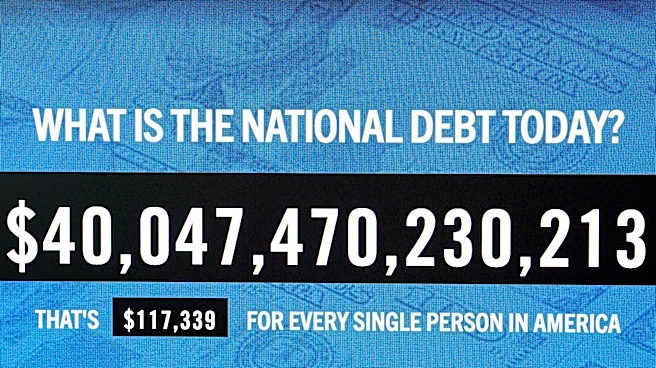
Those higher home prices stem from two major economic events in the past 20 years: the mortgage meltdown of 2008-09 and the inflation caused by the roughly $6 trillion of COVID relief funds the federal government injected into the economy from 2020 to 2022.
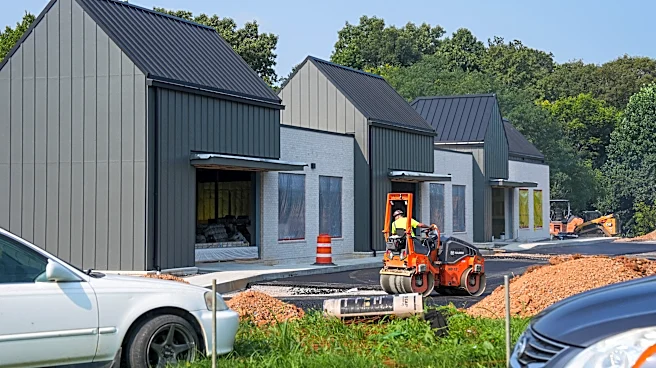
When mortgage defaults began skyrocketing in 2007, developers and builders essentially stopped building, as lenders pulled back from financing new construction. Prior to the crisis, new home starts peaked at roughly 2.1 million units a year. By March 2009, that number had collapsed to just 510,000.
The industry never fully recovered.
Freddie Mac estimates the U.S. now faces a shortage of 3.5 to 5 million houses. And while today’s annual construction rate has risen to about 1.2 million units, it still falls short of the 1.3 million needed simply to keep up with organic demand.
So, no, young workers aren’t lazy, and $12 lattes aren’t the villain. The real culprit is a housing shortage born of the 2008 crash and turbocharged by pandemic stimulus – one that has left the country millions of homes short and turned the first rung of the American Dream into a midlife milestone.
David Moon, president of Moon Capital Management, may be reached at david@mooncap.com.

This article originally appeared on Knoxville News Sentinel: There's a reason young people can't buy homes, and it's not Starbucks | Opinion