








A dispute between some Knox County commissioners and Mayor Betsy Henderson over a tax break for a South Knoxville housing development has raised questions about how the county will support affordable housing during her administration.
The workforce housing project would create housing for middle-class workers such as teachers, nurses and firefighters who increasingly struggle to afford homes in Knox County.
The county works with developers using the state's low-income housing tax credit program but historically has not provided incentives for developments that serve middle-class workers. If the townhouse proposal dies because its tax incentive was vetoed, the vacant South Knoxville site could be used to build market-rate apartments or condos that don't
benefit either demographic.
The Knox County Commission approved the tax break for Dominion Development last month before Henderson vetoed the proposal Sept. 8. The mayor argued taxpayers should not subsidize what she described as luxury townhomes.
Supporters dispute that characterization, saying the tax deal is worth it because it would require 40 of the project's 80 townhomes to be reserved for middle-income households earning 80%-120% of the area's median income. Residents who qualify would get $208 off their monthly rent, while the other 50% would pay the market rate.
Get the Daily Briefing newsletter: Keep up with growth and development in Knoxville and Knox County
Henderson also argued the project would not generate enough tax revenue to offset the cost of county services for the residents who moved there. Those expenses could include things like access to emergency vehicles, school services or upgraded utilities.
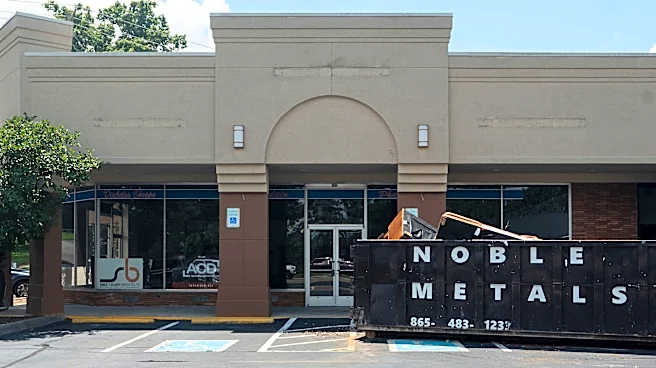
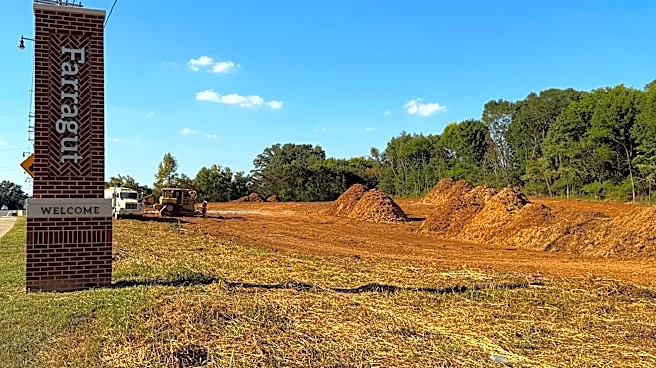
The South Knoxville property, located at 400 W. Gov. John Sevier Highway, currently sits empty and generates just $884 per year in property taxes. The county projects the property would generate $57,918 if the townhouse project proceeds with the tax deal.
The townhomes could bring in $115,836 annually without the tax break if Dominion chooses to move ahead without county assistance, but Dominion President of Development Craig Cobb told the County Commission that scenario is unlikely.
Cobb did not return calls from Knox News.
Why developing housing without a PILOT is 'harder than ever'
Dominion Development agreed to reserve half the units for middle-class families in exchange for a PILOT, or payment in lieu of taxes, which can freeze property taxes to help limit the financial risk to developers. In this case, the county would freeze property taxes on 40 of the townhomes for 20 years.
Governments use this technique to encourage the development of vacant land, examining the public benefits of a project before deciding whether to approve a proposal. It's a common strategy used for residential projects in the city, but the county typically has reserved PILOTs for industrial projects.
The county, however, has worked with Dominion in the past to approve a residential PILOT for its Bluegrass Landing apartments on Ebenezer Road. Apartments at the 47-unit complex are reserved for families making up to 60 percent of the area's median income, according to a September 2025 news release.
Fourth Creek Capital President Daniel Smith, whose company built market-rate apartments adjacent to the site Dominion is pursuing in South Knoxville, said developers historically have had little reason to pursue county PILOT agreements because property taxes are already relatively low.
But as construction costs have increased and rents have softened, Smith told Knox News, it makes sense that developers are exploring additional financing tools. Combined with high interest rates, he said, development is "harder than ever," and "the returns just aren't there" to keep rental prices low for middle-income residents without a PILOT.
Knox County uses state incentives for low-income housing, but not middle
Smith's comments underscore a broader challenge for houses that serve a majority of workers in the county. While the county relies on state incentives for low-income developments, fewer tax-abatement tools exist for housing aimed at middle-income residents.
The state's low-income tax credit program can only be used by developers who agree to reserve units for households making less than 60% of the area's median income. Dominion's project, which would reserve units for households making 80%-120% of the area's median income, would not apply.
The median income in the Knoxville metro area is $103,700 for a family of four, meaning the 60% threshold applies to households earning no more than about $62,000. Dominion's proposed income limits would target households earning $82,960 to $124,440.
The limits are based on household income rather than individual salaries. For example, a Knoxville firefighter making the average salary of $48,861 married to a Knox County teacher making the base salary of $50,089 would qualify for the workforce housing units.
Commissioner Terry Hill, who is working to override Henderson's veto, told Knox News this is a demographic the county should prioritize.
"These are people, working people who don't make quite enough to realistically to be able to save in the short term, or maybe in the long term, the thousands of dollars it takes to enter the housing market," she said.
Even in the city, where PILOTs are more popular for residential projects, few options exist for middle-income housing.
City officials are working to fill this housing gap through the "missing middle" initiative, which aims to increase housing for middle class families, first-time homebuyers and seniors. For residents looking to buy a home, only around 13% of listings were affordable for middle-income buyers, a 2026 report from Realtor.com says.
Knox News asked Henderson's administration how many residential PILOTs have been approved in the county. We were told the question would not be answered.
How the South Knoxville townhomes would affect traffic, roads
Three of the 11 county commissioners opposed Dominion's request − Andy Fox, Angela Russell and Adam Thompson − arguing the development will require county spending to widen roads and improve other public infrastructure.
Hill told Knox News that Dominion agreed in its proposal to pay for traffic infrastructure needs. The company completed a transportation analysis through an outside engineering firm, which did not suggest a road expansion but recommended a turn lane for the townhomes and an adjacent apartment building still under construction, Ascend at South Knoxville.
The analysis found the townhomes would add 526 daily vehicle trips on an average weekday and suggested a traffic signal could be warranted during peak travel times if congestion becomes an issue.

While the mayor can veto PILOT agreements approved by the County Commission, she does not have authority over the state's low-income housing tax credit program, which awards incentives directly to developments. Henderson also cannot block development allowed under existing zoning, as zoning decisions are made by Knox County Planning and, in some cases, County Commission.
Henderson, who took office Sept. 1, recently told Knox News to expect more vetoes during her administration. If commissioners are successful in overriding her veto of the PILOT, planning documents show the townhomes could open to residents by 2028.
Sophia Tiedge is the growth and transformation reporter for Knox News. Email: sophia.tiedge@knoxnews.com
Support strong local journalism and unlock premium perks at subscribe.knoxnews.com.
This article originally appeared on Knoxville News Sentinel: Workforce housing veto exposes gap for middle-income workers | Exclusive