






Knox County commissioners pressured the Knox County Sheriff's Officeto share detailed information about a new surveillance center, but were unable to pass an ordinance telling the department it can't install new surveillance cameras or use fixed license plate readers.
The last-minute request from Knox County Mayor Glenn Jacobs and Commissioner Adam Thompson to cut off the cameras failed to gain traction July 27, though members do want the sheriff to explain exactly how any new cameras and the data they collect will be used, shared and stored.
Spangler and Jacobs agreed last week new video cameras the department purchasedwould not be turnedon while the pair finish out their terms through August. Then it will be up to Spangler's successor to determine
how to move forward with the planned surveillance center.
"I had to make numerous phone calls to find someone who knew something about this," Thompson said. "When the question's asked, 'Where's the emergency?' With 270 cameras, nine drones and working with HOAs and businesses and, 'Oh look what we're doing.' Let's slow our roll for a minute and figure out what's going on."
The commission requested the following information from the sheriff's office about its surveillance cameras:
- Any memoranda of understanding, contracts or agreements governing operation of the system
- Operational purpose and intended use of the Advanced Research and Communications Center
- Policies governing camera deployment and use
- Categories of data collected
- Data retention schedules
- Authorized users and access controls
- Audit logging and internal accountability measures
- Policies governing searches and investigative use
- Information sharing policies with federal, state, local and private entities
- Data security and cybersecurity protections
- Policies governing access by third-party vendors
- Procedures for correcting or addressing erroneous data
- Compliance with applicable federal and Tennessee law
- Privacy and civil liberties protections
- Existing internal policies governing misuse and disciplinary action
- Budgetary and ongoing operational costs
"My real urgency in all this is that I feel strongly that we've got to be sure we're supporting law enforcement, and I know with a new sheriff in town in a few weeks, not having had the opportunity to see what his thoughts are, I think this is a way we need to go," Commissioner Terry Hill said before supporting the resolution asking for data policies.
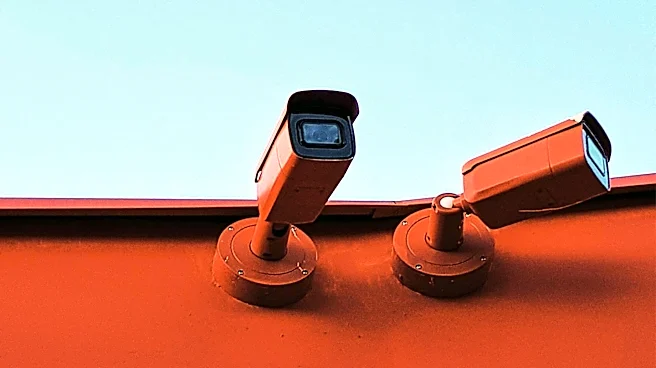
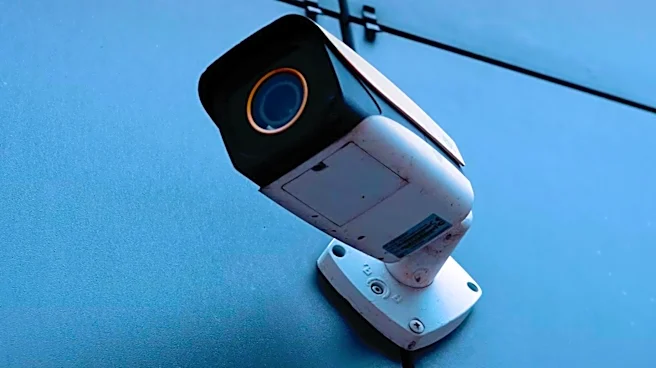
Elected officials raised privacy concerns after KCSO planned to install video surveillance cameras manufactured by the company Flock Safety.
Spangler planned to use Flock cameras and license plate readers to feed into a new Advanced Research and Communications Center, a live police video studio showing feeds from around the county.
The program is paid for by a $1.6 million state grant approved by the commission Nov. 7. Thompson said Spangler did not provide enough information about how the department planned to use the grant money when commissioners were asked to vote on it.
Jacobs and Thompson wanted the commission to pass an ordinance banning video and photo surveillance, including the license plate readers it has used for years. The ordinance did not get the unanimous support from commissioners it needed to be added the agenda July 27, but commissioners could take it up again in August.
Spangler was not at the meeting but told Chair Gina Oster the last-minute ordinance "looked like political grandstanding," she relayed.
Before the commission met, Spangler used a news release to defend license plate readers and said he trusted Brent Gibson, the only candidate to succeed him, to make his own decision about whether to move forward with the communications center.
"Our (license plate reader) program has assisted in locating multiple at-risk adults, and has located countless folks with an active silver alert, has helped remove deadly drugs from our streets, has played a critical role in recovering an elementary school-aged girl who had been kidnapped and suffered at the hands of her abductor, and has helped investigators solve countless crimes against both people and property," Spangler said in the release.
Spangler did not address the Flock cameras but touched on the department's policies governing the data they collect. KCSO leaders said July 20 a privacy policy for the cameras was still in the draft stage.
What led to the camera conversation
Jacobs and Thompson took particular issue with company Flock Safety when they learned of the local surveillance program. The company made national news after police officers misused its camera network to track women for personal reasons.
On July 24, KCSO abruptly canceled a meeting it had scheduled with commissioners and representatives from Flock Safety to explain the new program because the necessary staffers were unable to attend.
The commission and mayor cannot tell the sheriff, an independently elected official, what to do, but the mayor controls how much money KCSO gets in Knox County's budget, and the commission must approve the mayor's budget.
Jacobs also told reporters the county could refuse to let the cameras go up on county property, including along streets and on traffic lights.
"I'll be out of office in 36 days," Jacobs said. "This is not something I would've wanted to deal with but I think it's very important. I don't want to kick it to the next administration and have them deal with it, so those conversations are happening.
"One thing is the cameras, if they're placed on right of ways, we can permit those or not. We can look at that. There are some actions I can take on my own, as well as funding. What do these contracts look like going forward? There's a lot of unanswered questions."
Allie Feinberg is the politics reporter for Knox News. Email: allie.feinberg@knoxnews.com; Reddit: u/KnoxNewsAllie
This article originally appeared on Knoxville News Sentinel: KCSO told to share Flock camera policies but can continue to use them