



There is one question that defines today’s era of college athletics. What does it cost to win?
Money has always helped separate the haves and have-nots of college sports, but it’s now perhaps the single biggest factor determining success on the field. Some top players collect millions to play. Elite rosters in the highest-profile sports like football cost well into eight figures annually. For a program to be perennially successful, it must be financially competitive.
But what’s talked about less is the other side of the deal. How much is winning worth?
Winning generates excitement. It also helps generate revenue and donations, not just to an athletics department, but to a university.
The University of Tennessee's recent stretch of athletic success
has coincided with a fundraising boon that has set school records.
Tennessee’s fundraising has grown dramatically in recent years
Under athletics director Danny White, Tennessee athletics has recorded dramatic growth in its fundraising efforts. The fiscal year before he arrived, athletics raised $35.6 million in 2021.
By 2026, that number grew nearly fivefold to a record-breaking $175.5 million. That's after raising $169.5 million in the 2025 fiscal year and $139.8 million in 2024.
The university’s fundraising also has grown substantially. From 2021 to 2026, the flagship campus' annual fundraising jumped from $190 million to $581 million. That would’ve topped the previous year’s fundraising total of $428 million even before a $130 million gift from Dee and Jimmy Haslam, the largest single donation in UT history.
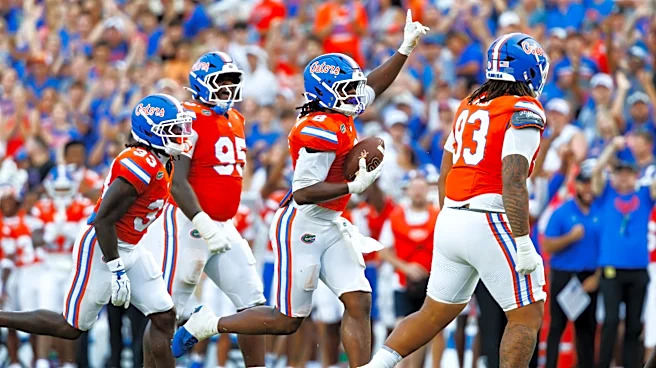
In that same span, Tennessee has been notably successful in some of its most high-profile sports. After more than a decade of inconsistency and underachievement, the football program has returned to national prominence, winning the Orange Bowl in 2022 and making the College Football Playoff in 2024. The men’s basketball program has advanced to the Elite Eight three consecutive seasons after having just one prior in 2010. Baseball became a national force, winning the 2024 national championship, and softball has made three of the past four Women’s College World Series.
Of the five highest-grossing Tennessee sports in 2025 – football, men’s basketball, women’s basketball, baseball and softball – only the women’s basketball program hasn’t seen major success of late. Beyond those five sports, Tennessee has won six SEC team regular season or tournament titles since 2021.
“Athletics is integral to the University of Tennessee’s identity and one of the most visible ways we bring people together, build pride and deepen lifelong connections to Rocky Top," UT Chancellor Donde Plowman said in a statement provided to Knox News.
"Under Danny White’s leadership, Tennessee Athletics has been both ambitious and innovative in how it supports student-athlete success and elevates the fan experience, and that momentum has strengthened confidence and engagement across our donor community."
Full stadiums help drive revenue and donations
Tennessee struggled with drops in football attendance during the late 2010s as seasons of frustration started to wear on the fan base. In 2019, Jeremy Pruitt’s second season as coach, the Vols’ average attendance at Neyland Stadium was 87,864, meaning an average of more than 25,000 seats went unsold each game. That was a sharp decline from when average attendance topped 100,000 a few years earlier when the Vols were in contention for the SEC East title in 2016.
As the product on the field has improved in recent years, attendance has been rejuvenated. Tennessee has sold out 27 straight football games and all but one game for this season has already sold out. A similar trend has followed in other sports.
In the last athletic year, Tennessee was the Division I leader in combined attendance across football, men's basketball and women's basketball for the third straight time.
“As you fill stadiums, then you'll see other revenue streams really grow,” White told Knox News in an exclusive interview.
From 2022-25, Tennessee’s all-sports annual ticket revenue grew from $35.11 million to $52.16 million, according to UT’s NCAA financial report forms, which are required annually to detail revenues and expenses for the athletic department. Data from the 2026 fiscal year is not yet available because reports aren’t filed until early the next calendar year.
Tennessee now also has the highest concessions and licensing revenue of any school in the country. In 2024-25, UT made $11.8 million from concessions, parking, program and novelty sales, over $7.7 million of which came from football. UT has also more than doubled revenue from corporate sponsorships under White and totaled $33 million from royalties, licensing, advertisement and sponsorships in 2024-25.
In football alone, ticket revenue rose from $26.78 million in 2021 to $40.94 million in 2024. White attributed that to fan support and a modernization of UT’s ticketing structure, which was overhauled when he arrived by assigning set prices to all seats at Neyland Stadium and Food City Center. He said that it was “the right way to do it from a fairness standpoint, but also the best way to maximize those assets as revenue drivers for us.”
The more than $40 million generated by football tickets is just face value sales, not including required donations to purchase season tickets. In 2021, Tennessee's football season ticket base was around 52,000. This year, Tennessee sold out all 70,500 season tickets for the fourth straight year after having done so just twice before this century. In 2024-25, football made up nearly 70% of UT athletics' nearly $73 million in program-specific contributions.
Tennessee also has sold out its allotment of season tickets in men's basketball, baseball and softball for three straight years.
Athletics has also seen a significant increase in the number of contributors willing to donate. Since 2021, Tennessee has increased its number of major athletic donors from a few hundred to more than 1,000.
Winning and fundraising go together in college athletics
There is a tight correlation between winning and fundraising in college sports. It’s hard to have one without the other.
Programs need money to compete, but competing at the highest level also helps spur excitement and creates a riper environment for contributions. Having on-field success to point to as proof of concept is a helpful tool to create that positive feedback loop.

The average power conference athletic department generated $38.78 million in donor contributions in 2024-25, for example, according to the Knight-Newhouse College Athletics Database, which compiles self-reported financial data from colleges. That’s an increase of nearly 225% since 2021, when the average was $17.25 million.
Meanwhile, the athletic departments housing the top 15 winningest power football programs since 2020 – not including private schools, whose data isn’t publicly disclosed – brought in an average of almost $16.5 million more in donor contributions than 2024-25. Texas was far and away the largest at a whopping $171.17 million in donor contributions, with Tennessee second at $113.59 million.
“The other schools are trying too, and they have donors and they have resources and they're competing. They want to win as well,” White said. “But when we have great seasons, especially in higher profile sports, it makes being a fundraiser a little bit easier.”
Donors can now contribute directly to roster construction. White said some Tennessee donors don't want to be involved in player acquisition and would rather put their money toward other projects, but others involve themselves and recognize the importance of a robust NIL program.
Football steers the ship as far and away the larger driver of revenue and donations. But success in other sports plays an big role. It’s important to keep people engaged throughout the entire athletic season, and winning helps uplift the entire operation.

“In terms of philanthropy and also corporate sponsorship, there's a little bit of subjectivity and ambiguity to why someone is supporting, and sometimes that’s championships,” White said. “You know, sometimes a baseball national championship might lead to a gift to support our swim and dive program. It just gets people excited from a philanthropy standpoint, and when we're winning that keeps people excited for the whole 10-month run.”
Which Tennessee programs receive the most contributions
Nearly every UT program saw a significant increase in program-specific contributions from fiscal years 2021 to 2025. Available data includes all contributions that were made and used by the athletic department in a fiscal year and do not include donations made to NIL funds since those payments are made through third parties.
In that span, football unsurprisingly saw the largest increase in annual dollars, up over $30 million from $17.04 million in 2021 to $50.49 million in 2025. Men’s basketball also rose its yearly contributions from $2.56 million to $13.71 million, spurred by a jump of over $10 million between 2021-22 and 2022-23, the first of four straight seasons the Vols made the second weekend of the NCAA Tournament.
Baseball’s annual contributions grew more than 15 times in that span from $471,401 to $7.28 million while the university made a massive investment with a $105.1 million renovation to Lindsey Nelson Stadium that will be finished before the start of the 2027 season. The year before the baseball program won the national championship, it received just over $1 million in program-specific contributions. The next year it topped $5 million.
Softball also more than doubled its specific contributions from $76,951 in 2021 to $208,024 in 2025.

Women’s basketball was one of only three programs to see program-specific contributions drop from $1.59 million to $1.11 million. The others were rowing, which had $1,534 listed in 2021 and none in 2025, and volleyball, which dropped from $12,871 to $2,177.
The most dramatic increase was in contributions not tied to a specific program: Those skyrocketed from $134,517 in 2021 to $37.71 million in 2025.
Tennessee athletics help UT achieve broader fundraising goals
Athletics contribute more to a university than just insular fundraising. It serves as a tool for the university to leverage when pursuing its broader goals.
UT athletics generated $1.15 billion in economic impact throughout the state in the 2025 fiscal year, according to a study conducted by a private consulting firm hired by the school. Fans visiting Knoxville to attend UT sporting events accounted for $366.1 million and an estimated $316.5 million was contributed to the Knox County economy by attendees through measures like supporting jobs and generating tax revenue.
This effect is also prevalent in fundraising. Donating to athletics can serve as a gateway to eventually giving to other areas of the university. As teams win, they drive that forward.
"When our teams compete at the highest level, the impact extends well beyond wins and losses," Plowman told Knox News. "Athletic success expands our national visibility, reinforces trust in UT’s direction and creates meaningful opportunities to reconnect alumni and friends with the university. That energy often translates into increased interest in giving, not only in athletics, but in the broader work of the university."

The UT System set a goal to raise $4 billion by 2030, and with four years remaining it has already raised more than 70% of that. The flagship campus in Knoxville also has become significantly more selective, with its acceptance rate dropping from above 80% in 2021 to under 50% for the fall 2026 semester. Applications from prospective students have risen dramatically, boosted by athletic success. When Tennessee football beat Alabama in 2022, the university saw a spike in applications.
As the campus positions itself for the future, athletics will be at the forefront.
"We’re proud of how athletics helps strengthen the entire UT community, and we will continue to leverage that momentum in service of our academic mission and the long-term priorities of the university," Plowman said. "Most importantly, our fans and donors continue to demonstrate extraordinary commitment, and we’re grateful for their support.“
Emmett Siegel covers Tennessee baseball for Knox News. Email: emmett.siegel@knoxnews.com; X: @EmmettSiegel
Support strong local journalism and unlock premium perks at subscribe.knoxnews.com
This article originally appeared on Knoxville News Sentinel: How Tennessee's winning era became a fundraising force bigger than sports | Exclusive