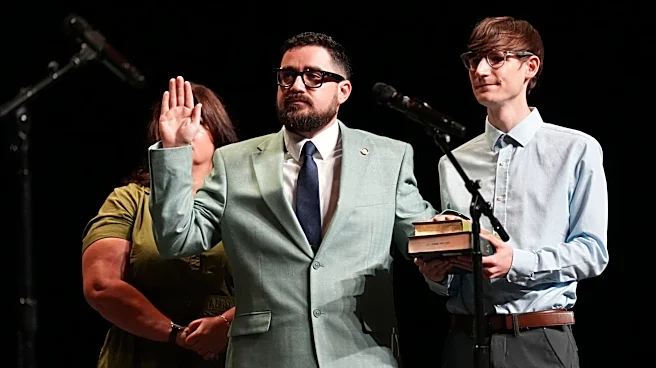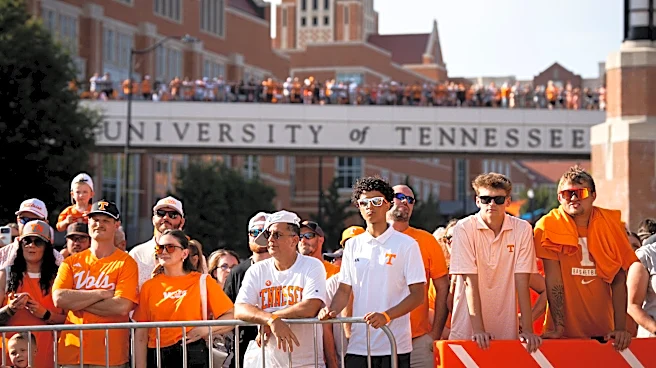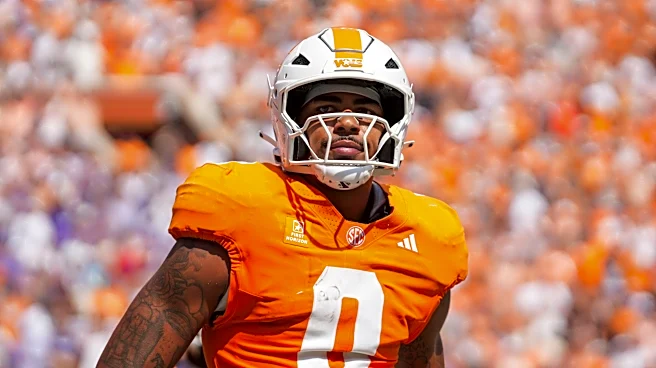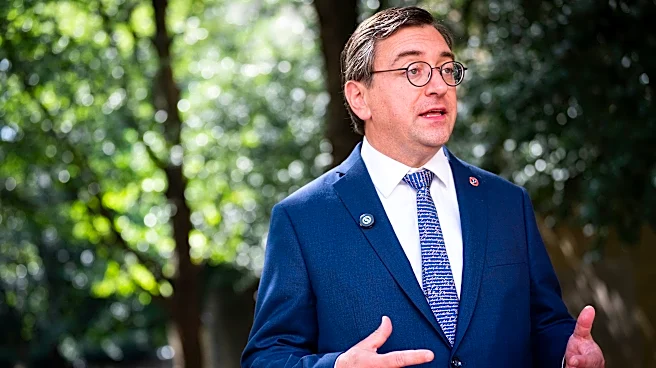



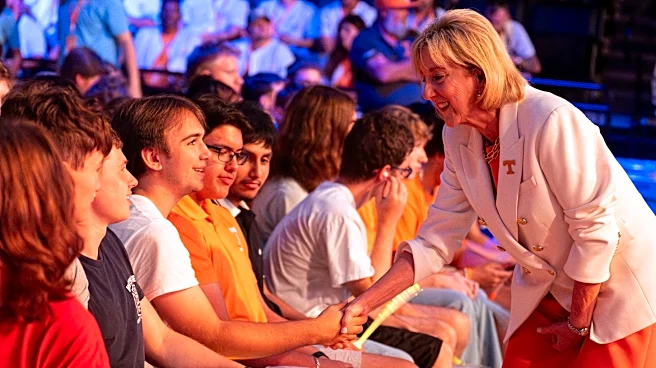
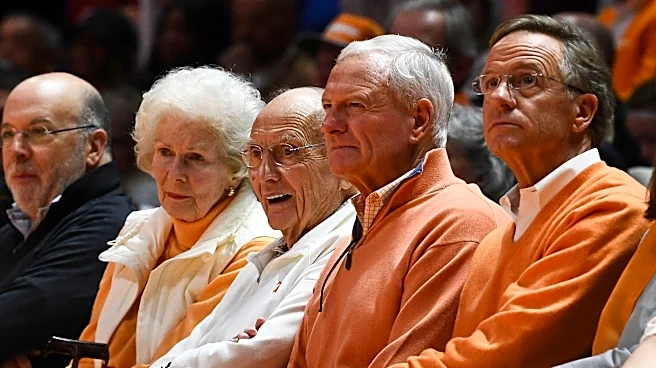
Tennessee Attorney General Jonathan Skrmetti could go unnoticed in a crowd of Vols fans, but in the football-crazed town of Knoxville, he’s had more impact than anyone on the changing landscape of NIL.
The state of Tennessee, through Skrmetti's work, has been a leader in the NIL space for years and an outspoken voice when it comes to protecting the rights of athletes, particularly those enrolled at the University of Tennessee.
Skrmetti forcefully pushed back against the NCAA on possible punishments tied to former head coach Jeremy Pruitt’s indiscretions and led a handful of states into successfully suing the NCAA over its antiquated NIL recruiting ban.
He called on Congress to fix the NIL patchwork, calling it a “train wreck.”
Enter the Protect
College Sports Act, Congress’ plan to begin to get a handle on NIL, including a one-time transfer rule and other eligibility issues, though the proposed bill does not address employment status of collegiate athletes, nor does it establish a potential framework for collective bargaining.
Get the Daily Briefing newsletter: Start your day with the morning’s top news about Knoxville and the University of Tennessee
Skrmetti was in town Sept. 17 − Constitution Day, with a tie to match − and spoke with media outlets. The following is his conversation with Knox News, edited lightly for clarity.

Knox News: It’s sort of strange to see you in Knoxville and it not be for a NCAA case. The NIL legislation is making its way through Congress and it’s out of your hands, but I’m curious if you support the Protect College Sports Act since you’ve been such a player getting us to this point.
Skrmetti: I think the transfer portal and eligibility rule changes are going to be really good for college sports. It’ll bring some stability if the law passes. I worry about shielding the NCAA from accountability because over time − it’s just the natural inclination if you’ve got power and nobody can do anything with it − it’s likely to be abused. So, I worry we may be seeing some seeds planted for future problems, but overall I think there is a lot of good in the legislation, a lot to like, and it will fix some problems that are big problems.
Knox News: Previously you’d called the NCAA a “train wreck.” Do you think the legislation at least gets it to a level where it’s less of a train wreck and gets some things back on track?
Skrmetti: I mean, college students are students and student athletes still have to be college students. And when you have young people ping-ponging around to a different place every year and not having the community around them to help them grow in the ways that college is supposed to promote, it's bad. It’s bad for the student athlete and it’s bad for the university.
I think slowing down the transfers, making sure every student athlete is able to be compensated to a reasonable extent based on the value they’re creating, I think that’s really important. But we don’t want to have the wild west where coaches are having to recruit their entire team every season because everybody is looking at the next option.
Knox News: If you could have your way, what are the nonnegotiables you would say need to be in the next − whatever this is going to look like − the next iteration of the NCAA?
Skrmetti: I think the proactive stuff that needs to be fixed is eligibility, which has to be a law saying the association gets to set the eligibility rules, that’s all there is to it. And then transfers, limitations on the portal. You know, student athletes are not indentured servants but the universities are supposed to be promoting their education and their well-being in a way that’s different than an ordinary job. So, I think slowing down the pace and giving them a chance to get a fair deal going in, but then creating a lot of friction for moving around is important.
But then I think the other thing that has to be there is some form of accountability so the NCAA doesn’t stop following its own rules.
Knox News: To this point, I know this isn’t your intention but seems like your office and the university and Chancellor Donde Plowman have been in lockstep with how the NCAA needs to fix things. It’s been a benefit to the university. It’s been a benefit to the state. Do you still see that being the case going forward?
Skrmetti: I think so. I mean, we got into a big, very public fight with the NCAA because there was a really severe sanction potentially coming in that was not legitimate. And the idea that you can make billions of dollars and everybody but the student athletes gets paid is just fundamentally un-American. So, I think our interests were very aligned then.
We’re at a point now where it’s time to start building and not just point out the problems but figure out a way to solve them that’s going to last. So, I think we’re pretty aligned.
Tyler Whetstone is an investigative reporter focused on accountability journalism. Email: tyler.whetstone@knoxnews.com; X: @tyler_whetstone; Signal: twhetstone141924.39
This article originally appeared on Knoxville News Sentinel: Tennessee AG Skrmetti has been a force on NIL. Now it's Congress' turn | Exclusive