






Last week, I wrote about the fourth anniversary of the current bull market
. Since the October 2022 low, the S&P 500 has roughly doubled, despite inflation, rising interest rates, persistent recession forecasts, wars, tariffs and the usual parade of experts warning that the world is about to fall apart. The tone of that piece was optimistic, though I neglected to mention one obvious and inconvenient fact.All bull markets end. Sometimes violently.
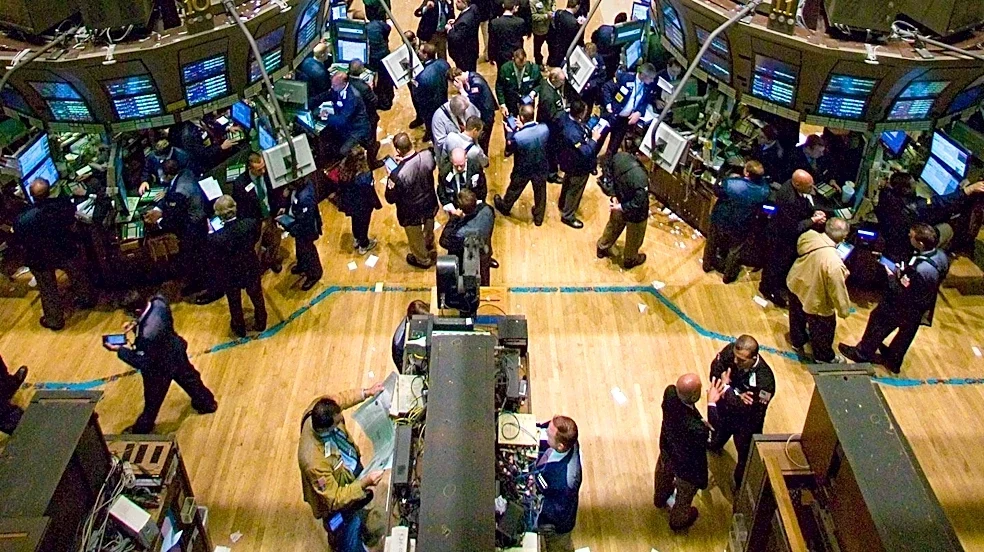
Thirty-nine years ago this week a five-year bull market came to an ugly end when the Dow Jones Industrial Average dropped 22.6 percent in a single day, still the largest one-day percentage decline in history.
At the time I had been in the investment business less than two years. I spent that Oct. 19 afternoon
in a smoke-filled conference room full of practically elderly stockbrokers (in their 40s and 50s!), listening to them lament that the investment industry was finished.
Either because I was too naïve to be worried or too arrogant to be persuaded, I didn’t panic or return to my previous job as a bouncer at Desperados. My personal portfolio losses that day were measured in the dozens or maybe hundreds of dollars. But I kept investing 10% of my pay into my 401(k) - a whopping $37.50 each week.
Newspapers, never known for shying away from a good panic, leaned into the bad news. The day after the Crash of 1987, a New York Times front-page headline asked, in all caps, “DOES 1987 EQUAL 1929?” For many readers, the text of the article was irrelevant: 1987 was already being compared to the beginning of the Great Depression. Bread lines, mass unemployment and a complete stock market collapse were surely ahead.
Except they didn’t come. The economy did not collapse into another Great Depression. Orphanages weren’t overwhelmed with kids dropped off by parents who could no longer afford to feed them. Bakers weren’t forced to stretch their bread recipes with sawdust.
The financial system survived, businesses continued operating and the economy grew.
Seldom noted about the Crash of 1987 is that the U.S. stock market ended the year higher than where it started. That’s right. In a calendar year in which the stock market experienced the largest single-day percentage decline in history, the Dow Jones Industrial Average registered a small gain for the entire year.
At some point this current bull market will end. It could end slowly, over some long-ish period of time. Or it might end in a dramatic, abrupt fashion, with panicked selling and fears that this might be the time the market never recovers.
But it will end. And the more passionately the naysayers argue that the world is ending, the more profitable will be the eventual recovery.
David Moon, president of Moon Capital Management, may be reached at david@mooncap.com.
This article originally appeared on Knoxville News Sentinel: This bull market will end sometime. Then comes the recovery | Opinion