






When clients at Knoxville's Bridge Refugee Services stopped qualifying for the government-provided food assistance they once had, the nonprofit moved quickly to supplement the loss.
Shortly after the One Big Beautiful Bill Act was signed into law in July 2025, the Congressional Budget Office estimated around 90,000 noncitizens a month would lose access to SNAP, formerly known as food stamps, under the new rules. That includes refugees, people granted asylum and humanitarian parolees who previously were eligible, said Bridge program manager Kayla Davis.
Now, in Knoxville, refugees from the Congo and humanitarian parolees from Ukraine who found sanctuary in East Tennessee no longer have the safety net that some of them arrived with. "As protected
migrants in the programs that they entered through, these were promised resources" said Bridge Executive Director Noah McBrayer Jones. "This is moving goalposts on them to remove a promised resource for the resettlement that they worked so hard to secure."
Increasing food security and food options
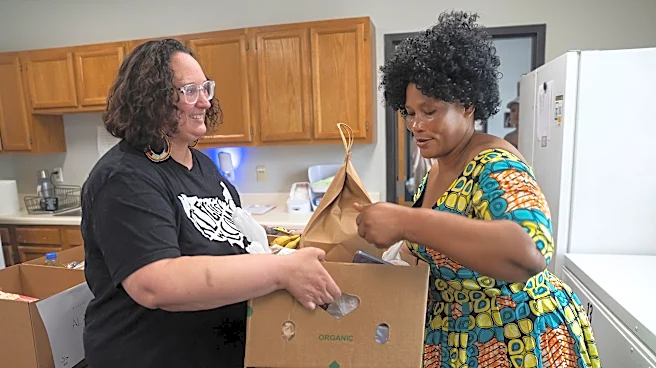
When it implemented its food security program last year, Bridge was sure to take into account the unique needs of it clients. It offers many traditional pantry staples, but it offers culturally-sensitive foods, too. That's because the nonprofit realized many of the people it serves had certain food preferences and specific knowledge about how to prepare some ingredients − and less knowledge about how to prepare others.
Bridge compiled a list of culturally-preferred foods that features items such as tortillas, naan, dry beans, lentils, rice and corn flour, as well as produce, including tomatoes, sweet potatoes, avocado, bell peppers, mango and bananas. Those items come in through donations, and Bridge also receives groceries through Second Harvest Food Bank of East Tennessee's Food Rescue program to distribute weekly to clients.
"When our clients see that we care not just about giving them food, but giving them food that they like to eat, they see a community that values them," program manager Davis said.
Navigating the loss after OBBB
The lack of eligibility for SNAP has left many vulnerable families in an even more precarious position. Bulozee Kigwasa, a refugee from the Congo, said she has been working overtime since losing SNAP benefits so that she can afford to put food on the table for her children and keep her other bills paid. "And because of the overtime that I did, my health has deteriorated," Kigwasa told Knox News through an interpreter.
The groceries she's received from Bridge have helped, but it's still a challenge to get by.
Tetiana Krot and her family came to the U.S. from Ukraine during the war with Russia. Right now, only her baby, born after their arrival in America, receives food assistance, she told Knox News through an interpreter. The program at Bridge has been "fantastic," she said. Krot uses what she receives to make traditional foods such as dumplings and borscht. "I'm really happy to be a client here and get any groceries from here," she added.
Hayden Dunbar Evans is the storyteller reporter. Email: hayden.dunbar@knoxnews.com. Instagram: @knoxstoryteller.
Support strong local journalism by subscribing at subscribe.knoxnews.com.
This article originally appeared on Knoxville News Sentinel: One Big Beautiful Bill left refugees without SNAP. How nonprofit helps