







With the grocery store getting ready to close, I sat in my car at the intersection of Broadway and Jackson Avenue watching the seconds tick by as a seemingly endless red light made me question whether I'd make it on time.
I'd already started working on a story about Knoxville's plans to upgrade traffic signal signals, but this was the first time I'd experienced the challenges of the city's current system. Something as simple as a traffic light suddenly felt a lot more important when it was affecting my own plans.
It's easy to brush off conversations about growth until they show up in your neighborhood, at your business or on your commute. Maybe it's a once-quiet intersection that suddenly seems busier than it used to be, or maybe it's circling
the block a few extra times looking for parking near your favorite coffee shop.
Stories about growth often start with observations like these. They're not always about the biggest building under construction or the latest economic development announcement. More often, they're about the ways change creeps into people's daily routines.
That's how I approach my job as the growth and transformation reporter, understanding that what seem like small inconveniences often reveal much bigger questions about where Knoxville is headed.
A parking shortage north of downtown isn't just about finding a place to leave your car. It's a reflection of a neighborhood in transition, where rapid investment and new businesses like Axle Logistics are creating opportunities and growing pains at the same time.
A proposal to convert part of Union Avenue to one-way traffic isn't simply a debate about road design. It has sparked conversations about how people move through downtown, how local businesses attract customers and how a seemingly small change can affect the character of a place.
I became a member of this community in June and quickly found that nearly every conversation about Knoxville's future eventually came back to the same question: How do we manage growth without losing what makes the city special in the first place?

I've watched local officials wrestle with that question, weighing the need for new housing and economic growth against the roads, utilities and transportation systems needed to support it. I've also heard concerns from locals about congestion on roads with new subdivisions and sat in public meetings where residents urged county officials to deny new developments in their neighborhoods.
By month three, the seemingly mundane issues I contemplate while stuck at a traffic light were staring me in the face.
Everyone experiences Knoxville differently. So, whether you're a lifelong resident, a college student or someone who recently decided to call East Tennessee home, I want my reporting to be relevant and useful to you.
Above all, I want to tell your story. What brought you to Knoxville and why have you stayed? What's changing in your neighborhood? Which changes are making Knoxville better, which ones worry you, and what should come next?
The stories that often tell us the most about Knoxville's future aren't the ones making the biggest headlines. They're hiding in plain sight, in the everyday moments that make us stop and ask questions.
Mine just happened to start at a red light.
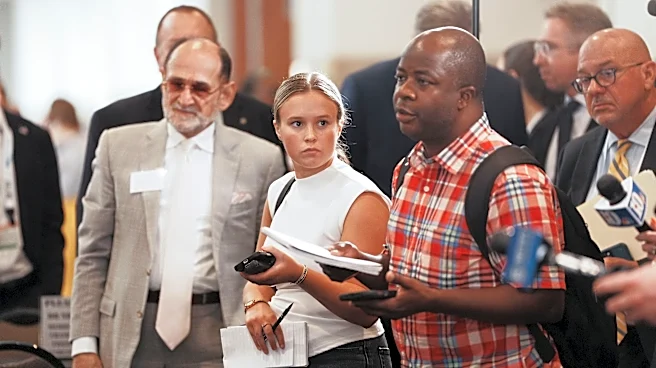
Sophia Tiedge is the growth and transformation reporter for Knox News. Email: sophia.tiedge@knoxnews.com
Support strong local journalism and unlock premium perks at subscribe.knoxnews.com
This article originally appeared on Knoxville News Sentinel: Knoxville change is inevitable. My responsibility is making sense of it | Opinion