





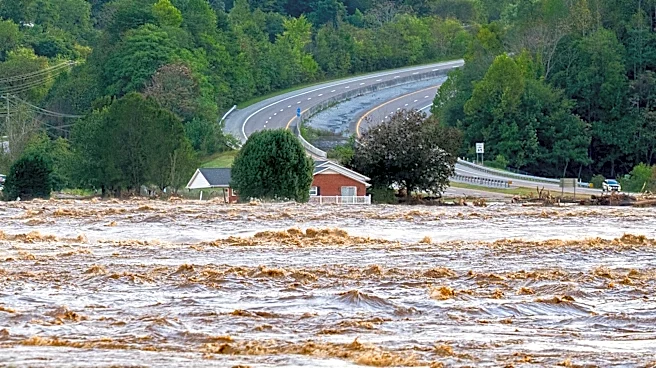


The historic flooding caused by Hurricane Helene closed Great Smoky Mountains National Park for months. Two years later, the careful rebuilding work continues.
Despite the hardest-hit areas having mostly reopened since April 2025, it could be several more years before the park is fully repaired and rehabilitated.
Major work remains along some of the park's roads, trails and historic structures two years after the storm ravaged East Tennessee and Western North Carolina. Park officials estimate the overall Helene rehabilitation effort will cost $25 million to $35 million.
“Helene recovery is a multiyear effort because of the scale and complexity of the damage, particularly in remote areas of the park,” Great Smoky Mountains National Park spokesperson
Katie Liming explained in a Sept. 25 email to Knox News.
“The National Park Service continues to advance projects as efficiently as possible using available federal disaster recovery resources and partner support. Individual project schedules depend on design, environmental compliance, contracting, construction conditions and the complexity of the repairs,” Liming continued.
Repairs remain in Great Smoky Mountains National Park two years after Helene
The park is using disaster recovery resources to work efficiently to complete critical repairs and reopen damaged areas as quickly and safely as possible, Liming said.
Major work is needed to rehabilitate:
- Straight Fork Road to Round Bottom Horse Camp
- The closed portion of Cataloochee Valley Entrance Road
Other roads that need repair include Heintooga Roundbottom Road, Cataloochee Creek Road, Pretty Hollow Gap Road and Cataloochee Group Camp Road.
Significant rehabilitation work is needed in:
- Areas where Helene washed away bridges, caused landslides and erosion, or destroyed sections of trail
- Big Creek Trail, which lost a 70-foot steel bridge
- Approximately 100 feet of Gunter Fork Trail destroyed by a landslide
Longer-term rehabilitation of historic structures is being planned with significant support from Friends of the Smokies, Liming said.
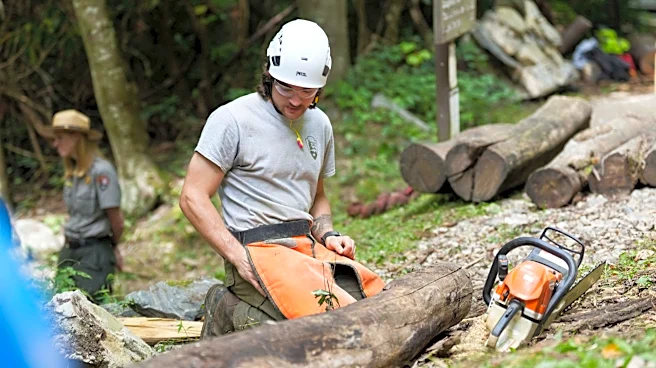
Currently, crews are repairing Caldwell Fork Trail, including replacing two footlogs and repairing the trail surface. The park also is completing assessments of the most heavily damaged trails to determine repair or reroute needs.
Since Helene, crews have assessed more than 60 miles of damaged trails, removed downed trees and completed initial repairs. Most trails have reopened in some capacity.
Is Great Smoky Mountains National Park prepared for future storms?
“The scale of damage from Helene demonstrated the importance of considering future storm events as the park repairs damaged infrastructure,” Liming said.
The park will use detailed assessments of the most heavily impacted trails to help identify repair needs, costs and design approaches to make infrastructure more sustainable for future events.
Devarrick Turner is a trending news reporter. Email devarrick.turner@knoxnews.com.
Support strong local journalism by subscribing at knoxnews.com/subscribe.

This article originally appeared on Knoxville News Sentinel: Why Hurricane Helene damage remains at Great Smoky Mountains National Park