





On a recent trip to visit my grandchildren, we found an old book of fables. At their bedtime we read familiar tales about Humpty Dumpty, little pigs and Billy goats. The kids particularly liked the story of “Chicken Little.”
Fast forward to a few days ago. I was catching up with a friend and heard a new version of “The sky is a-falling!” Apparently, we are only months away from an artificial-intelligence apocalypse. It sounded like Hal 9000 and Skynet are already living in our homes, cars, stores and workplaces.
Honestly, I don’t know if the rise of artificial intelligence is the death knell of human existence, but I do know that fear can wreck a long-term investment plan!
In fact, my friend is not wrong about a future market downturn. He will
eventually be right. A periodic history lesson is particularly powerful. Since 1928, the U.S. stock market has experienced 27 bear markets (a decline of 20% or more). The average bear market decline has been about 35%. The average bear market has lasted about 9.6 months. So, you can see that market crashes are not uncommon; they’re a part of investing.

It is also important to note that, over the past 20 years, about 42% of the stock market’s best performance days occurred during bear markets. And 36% of the best performance days occurred during the first two months of a new bull market, when investors had no way of knowing the bear market was over. Thus, the old saying “The market doesn’t ring a bell when it’s time to get back in.”
In contrast to the difficult timing decisions to get out of the market (or back in), staying invested over the past 30 years produced an annualized S&P 500 return of about 8.45%. That’s a decent return despite the Dot-Com crash and the Great Recession crash.
We don’t know which of today’s fears will become tomorrow’s crises. We don’t know which of today’s innovations will transform the world. And we don’t know when either will happen. The investor’s job is not to predict the future. It’s to be financially prepared for several possible futures. That’s why a diversified investment portfolio makes more sense than trying to make a heroic prediction.
Common sense dictates that a typical goals-based investor shouldn’t have 100% of his or her money in stocks simply because “stocks always come back.” Likewise, he or she shouldn’t move everything to cash (like my friend) because someone on television predicts an AI apocalypse.
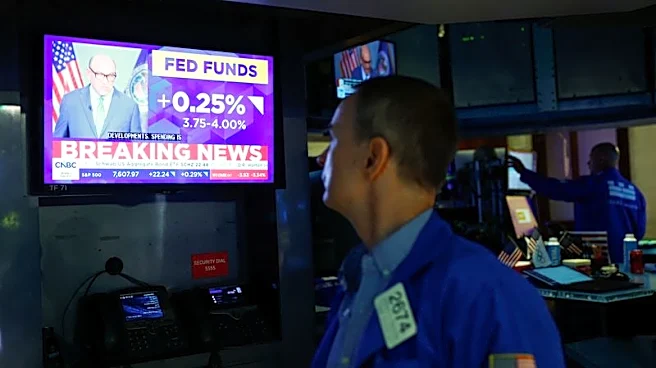
Don’t be Chicken Little. You’re not investing based on forecasts for the next election, the next Fed meeting or the next AI headline. You’re investing for a future you cannot see, and that’s what makes investing an exercise in humility.
Bottom line: The sky really does fall occasionally. But here’s the part we tend to forget: The sky eventually stops falling and diligent investors have been rewarded for their patience.
Paul K. Fain III, CFP, has been a financial planner, advocate and educator for 38 years. He can be reached with comments at PKFIII@aol.com
This article originally appeared on Knoxville News Sentinel: Chicken Little, fear and the stock market | Paul Fain