







A little over halfway through the year, the number of confirmed measles cases has reached a record high. As of Aug. 6, there were 2,465 cases, according to the Centers for Disease Control and Prevention. The number of cases has surpassed 2025 totals and is the highest recorded in 35 years.
Children under 5 years old are among the age groups most at risk of contracting measles. With school starting for the 2026-27 academic year, including pre-K and kindergarten, there are steps parents can take to reduce their children's risk of contracting the virus.
The disease was declared eliminated in 2000, but as vaccination rates decline, measles cases are on the rise, according to Reuters. U.S. Health and Human Services Secretary Robert F. Kennedy Jr. recently
said he believes children should be vaccinated against measles despite his vaccine skepticism.
Measles outbreaks have been reported in nearby Virginia and other Eastern states, including Pennsylvania. Nearly half of all U.S. cases have been recorded among people ages 5 to 19. With the back-to-school season on the horizon, here's what Tennessee residents should know about measles.
What are the measles?
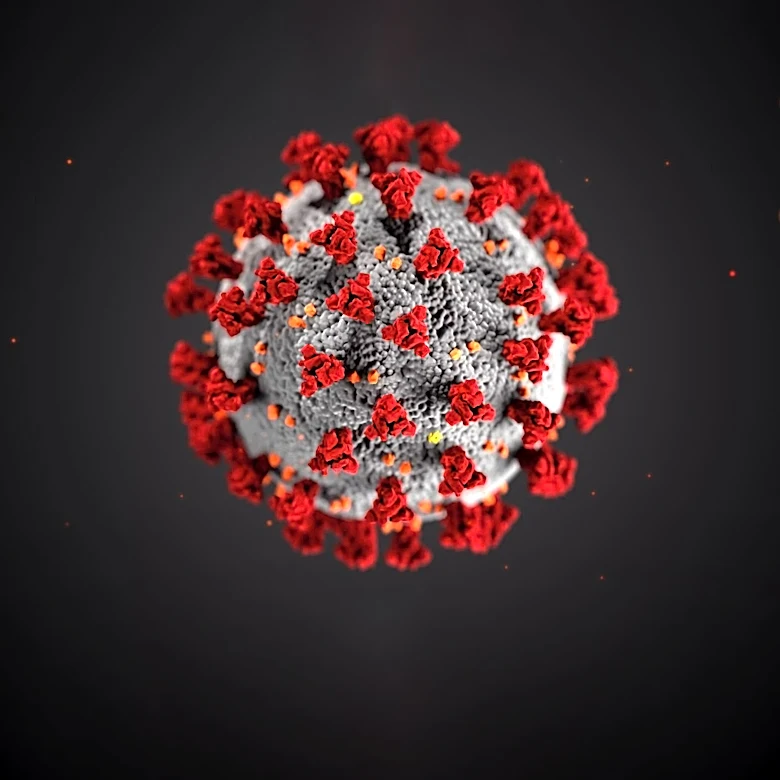
The measles is a highly contagious virus that spreads through the coughing and sneezing of an infected person. Measles can live in the air for up to two hours after a person who has the virus leaves the area and anyone unprotected who comes into contact with the air or surface is at risk, according to the CDC.
In order to be fully protected against the measles, the CDC says a person needs two doses of the measles, mumps and rubella vaccines. Children can get the first dose between 12 and 15 months old. The second dose can be administered between ages four and six, according to the CDC.
Measles symptoms usually begin seven to 14 days after exposure. Here's what to look out for:
- A high fever that can spike to over 104℉.
- A cough and runny nose.
- Red and watery eyes, or pink eye.
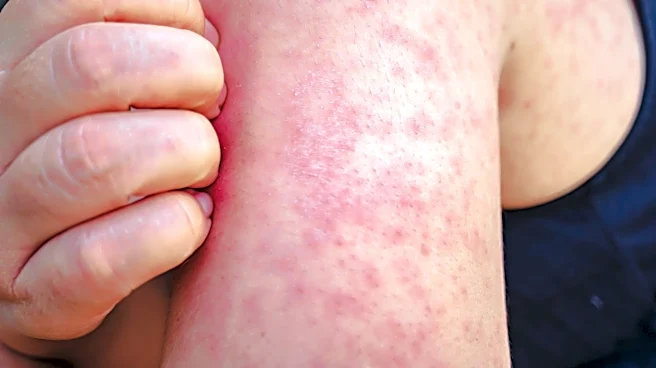
- Red and blotchy rash.
There is no antiviral treatment for the measles. It is recommended those who contract the disease and are not protected get the vaccine up to three days after contact with the measles or receive an antibody shot than can help ease the infection and lower the risk of complications, according to the Mayo Clinic.
Drinking water and resting are also recommended to help with the measles.
Measles cases in Tennessee
Although there is a rise in measles cases nationwide, Tennessee has seen only a few measles cases so far in 2026.
As of Aug. 7, there have only been three measles cases this year, two were in Middle Tennessee and the third case was recorded in Shelby County, according to the Tennessee Department of Health. In 2025 there were eight confirmed measles cases in the state.
With the return to school, parents might feel anxiety surrounding the decline in the measles, mumps and rubella vaccination rates, however the vaccination rate in Tennessee is above the national average, according to Johns Hopkins University.
The most recent data shows that 94% of kindergartners received measles immunizations in the 2024-25 school year, the target is 95% and the national average is 93%. Tennessee was still down in vaccination rates compared to previous years.
Tennessee allows religious exemptions for vaccinations, non-medical exemptions are sometimes linked to increased disease transmission, according to Johns Hopkins. Tennessee's non-medical vaccine exemption rate is lower than the national average.
The TDH recommends isolating at home and calling your healthcare provider if you have suspicions that you have been exposed to the measles, especially if you are unvaccinated.
Afton Pratt covers trending news for The Knoxville News Sentinel and Tennessee. She can be reached at ampratt@usatodayco.com.
This article originally appeared on Knoxville News Sentinel: Record U.S. measles outbreak: What Tennessee families should know before school starts