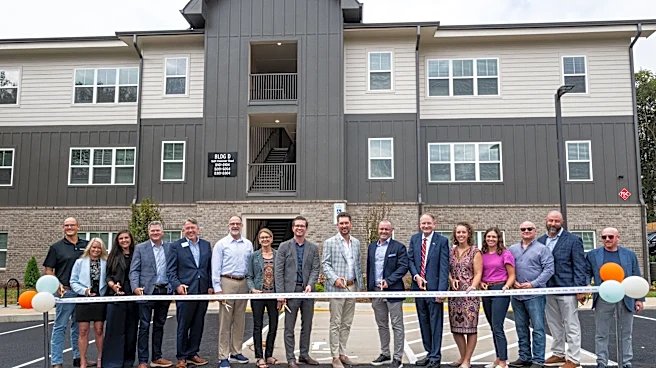







It's a common criticism of new developments: They're going to cost taxpayers money for new infrastructure.
But if new housing requires new roads, water and sewage, it's developers who foot the bill.
Dominion Development Group, which pulled its plans for 80 townhomes on Governor John Sevier Highway, would have been responsible for all infrastructure improvements required by the project, Knox County Chief Engineer Jim Snowden told Knox News.
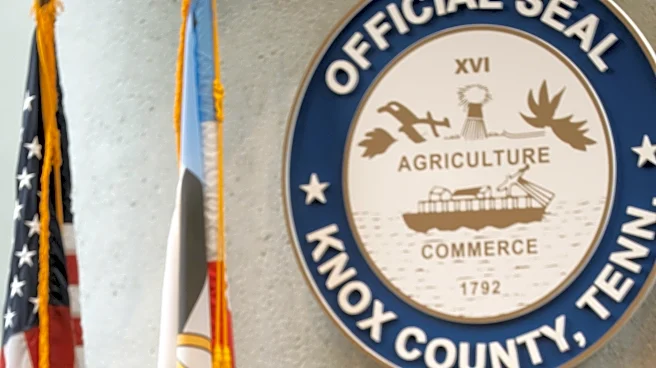
Knox County does not put taxpayer dollars toward infrastructure improvements for new developments. Public dollars are only used if the county asks a developer to make upgrades that accommodate growth beyond the project itself.
Knoxville follows the same policy, city spokesperson Eric Vreeland told Knox News.
Opponents
of the proposed South Knox development also argued a 20-year tax break would add pressure to Knox County Schools, public parks and libraries. And they worried the tax incentive would reduce future property tax revenue.
But the true cost of forgone taxes on a vacant property is more complicated for taxpayers and local governments to calculate.
Dominion agreed to pay for road work tied to South Knox townhomes
A traffic study commissioned by Dominion found the project would have generated 526 daily trips on an average weekday and recommended a turn lane, potentially a traffic signal, but no road expansions.
Knox County Commissioner Terry Hill, who supported the project, told Knox News that Dominion agreed to pay for all road improvements before the tax incentive approved by commissioners was vetoed Sept. 8 by Knox County Mayor Betsy Henderson.
Dominion would have reserved 40 of the 80 townhomes for middle-income households earning 80%-120% of the area's median income. In turn, the developer would have paid 50% of property taxes over a 20-year period.
The payment-in-lieu-of-taxes incentive, or PILOT, would have reduced the development's annual property tax bill by half of the projected $115,836. The vacant property currently generates $884 per year in property taxes.
What Dominion's pulled project really means for taxpayers
Opponents of the townhomes said giving Dominion a $57,918 break in annual property taxes was too much. Supporters argued collecting $57,918 annually would be preferable to the $884 currently generated by the vacant land.
When local governments agree to a tax break, it usually means they expect new residents to support existing businesses, attract new investments and generate additional sales tax revenue, offsetting some of that lost revenue.
But the benefits of a new development aren't guaranteed, and officials must weigh that against the potential loss in property tax revenue when approving or denying a tax incentive.
After developer backs out, what's next for the South Knox site?
Dominion did not purchase the property at 400 W. John Sevier Highway. It is still owned by Rocky Hill Land Partners, which bought the land in 2005.
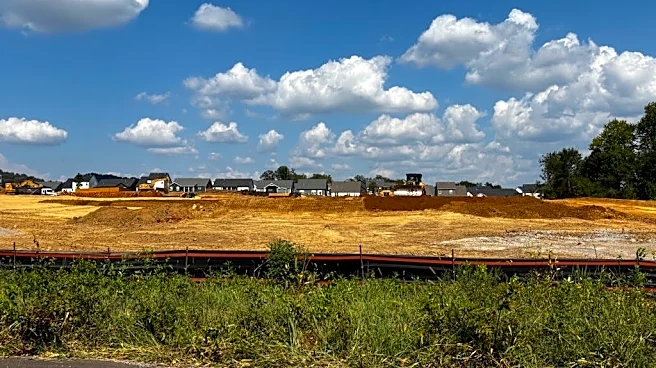
Zoning for the property allows developers to build up to 88 townhomes without needing county approval. The land has been cleared for construction.
Dominion could have continued with the project without the PILOT but decided against it. The site could still be used to build market-rate apartments or condos that don't benefit low- or middle-income households, assuming another developer wants to try.
Sophia Tiedge is the growth and transformation reporter for Knox News. Email: sophia.tiedge@knoxnews.com
Support strong local journalism and unlock premium perks at subscribe.knoxnews.com.
This article originally appeared on Knoxville News Sentinel: Who really pays when developers get a tax break for Knox County housing? | Exclusive