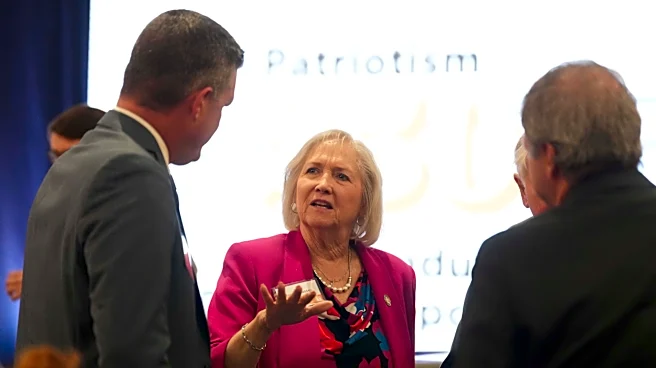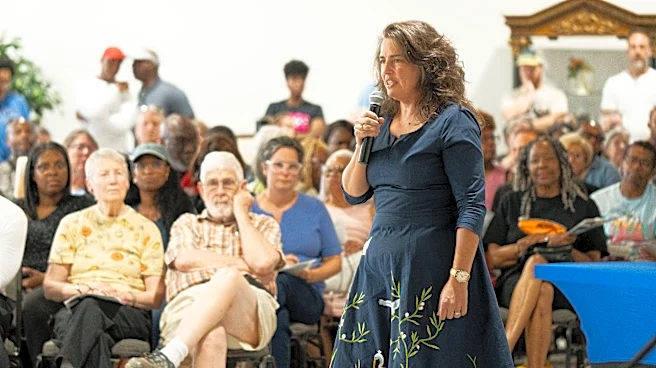




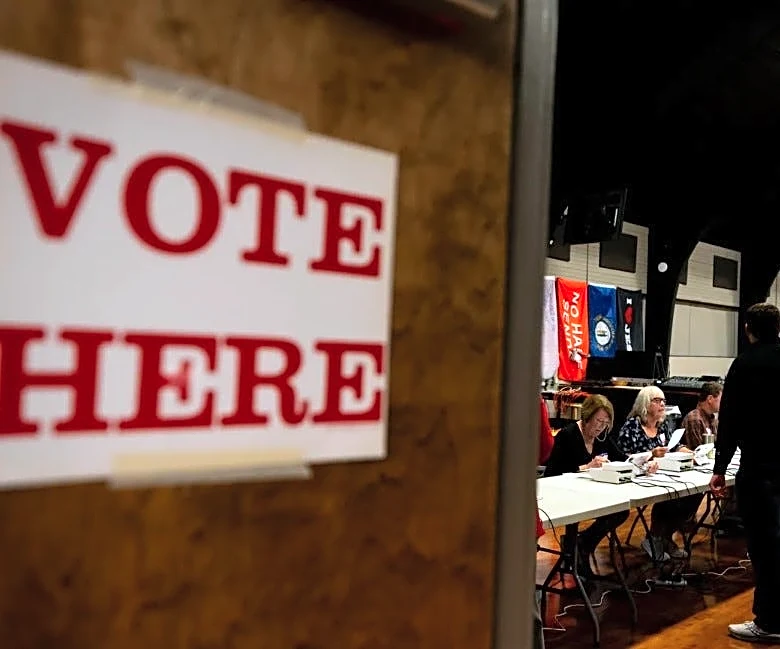


Recently, a Washington Post editorial bemoaned the disappearing town hall - the events where elected officials invite their constituents to hear from them and to explain their positions on important issues. How right they were in pointing out yet another symptom of our inability to navigate disagreement in public spaces.
This is a long hike from the America described by Alexis de Tocqueville when he visited the fledgling republic in 1831. He saw a functioning local democracy where people engaged with their neighbors. He also warned that the tyranny of the majority in any setting could make democratic practices difficult.
The decline over the past 10 years has been precipitous. COVID made it worse. Structured incivility is making it worse. Unfortunately,
those who support an elected official’s party tend to make these events more like pep rallies. Those who oppose want to make them like witch trials.
So what’s the point in going through this now-predictable, dysfunctional ritual from a bygone era? The point is that meaningful public engagement involves articulating and defending one’s public policy positions in front of God, the media and the rest of us. That connection is vital. There’s no online substitute.
Local government’s one place where those elected do face their constituents in real time. That’s where lessons can be learned. I sat in over 500 City Council meetings and more than a few County Commission meetings. Members of the public can weigh in on any issue. They can use public forum to say just about anything on their minds. It’s not always pretty. Sometimes it’s downright nasty. That doesn’t matter. Avoiding the public isn’t an option. Managing it fairly and smartly is.
Democracy depends on public disagreements. James Madison wrote in Federalist 10, “As long as the reason of man continues to be fallible, and he is at liberty to exercise it, different opinions will be formed.” Democracy also depends on mechanisms to navigate those disagreements.
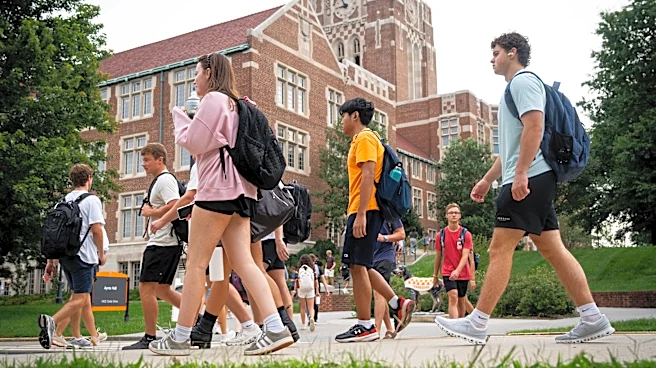
In my role at the Institute of American Civics at the University of Tennessee, I’m regularly asked to address the growing crisis in civil discourse. People from across the political spectrum are concerned. How could they not be? Elected officials have an increasingly difficult time speaking with each other and to those of their constituents from the other party. Likewise, constituents are unable to communicate across differences with each other.
There’s no clear path out of this wilderness, but there are a few breadcrumbs from the “public official” to “member of the public” category I followed in my 16 years as the public official at the City of Knoxville responsible for public process.
First things first. Some people are determined to be difficult and aren’t interested in good-faith interaction. That’s always been the case, but it's much more prevalent in today’s public square. However, no matter what you read, these folks are outliers. And while they’re capable of ruining a meeting, lecture, or class if they’re allowed to, there are things we can do to make things better for them and the rest of us.
I’ve found a number of keys to successful engagement. The first, in any context, is simple but rarely practiced. Listen and repeat. People want to be heard, not patronized. Then give the best answer you can. I have run meetings about sensitive projects that many in the neighborhood were skeptical of. When pressed with a suggestion that I knew was impractical and contrary to state law, I explained why on the spot despite the tension. That’s always better than saying, “I’ll check and get back to you.”
I used social media extensively, first in Reddit-like community bulletin boards, followed up by some participation on Facebook. The rules there were simple - an extension of what to do in person. Respond and engage on your own terms. Avoid personal attacks. Avoid attaching motivations to other people’s words. When trolls descend, withdraw. Lead through example. Hope springs eternal.
William Lyons is Professor Emeritus of Political Science and associate director of The Institute of American Civics at the Howard Baker School of Public Policy and Public Affairs at the University of Tennessee. He also served as chief policy officer for Knoxville Mayors Bill Haslam, Daniel Brown and Madeline Rogero. The opinions expressed are those of the author and do not necessarily reflect the official policy or position of the Institute of American Civics or the University of Tennessee.
This article originally appeared on Knoxville News Sentinel: The vanishing town hall is a symptom. How to beat the incivility virus | Opinion