







Tennessee athletics has made a significant investment in women's sports over the last six years, according to financial data obtained by Knox News.
When athletics director Danny White was hired in 2021, he was adamant UT would be aggressive in its goal to be in the top third of budgets in the SEC across all sports. Tennessee accomplished that within a few seasons, chief financial officer Brad Briggs told Knox News, and most sports' budgets are top two in the SEC.
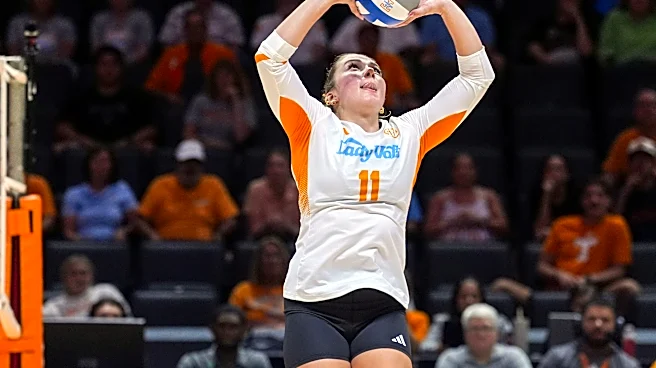
The Lady Vols basketball total budget has grown 63.6% between the fiscal years 2021 and 2026. Softball has seen a 78.7% increase in total budget that time period, and volleyball and soccer received the most drastic increases at 90.1% and 123.4%, respectively.
Winning requires investment,
and how much SEC schools are spending is a significant factor in determining budgets, Briggs said.
"We want to be competitive in everything we do with every team we have," Briggs said. "I know when Danny got here, it was making sure when we look at every operating budget, every recruiting budget, our teams and coaches had the resources they needed to be successful."
Why there's 'no concern' about women's basketball contributions dropping
Tennessee has seen tremendous growth in fundraising in the last five years, but not every program saw an increase in program-specific contributions.
Women's basketball was one of only three programs to see a decrease in program-specific contributions, dropping from $1.59 million to $1.1 million between the fiscal years 2021 to 2025, according to Tennessee's NCAA financial report forms, which are required annually to detail revenues and expenses for the athletic department.
The available data in the report forms include all contributions in a fiscal year, but does not include NIL donations, which are made through third parties. Data for the 2026 fiscal year was not yet available.
However, that decrease is more of a change in reporting models rather than a decrease in direct revenue, Briggs said. When Tennessee moved away from the umbrella model of contributions, it allowed the department to report contributions associated with each season ticket for each sport more accurately.
"There's no concern," Briggs said. "Our women's basketball program, and this is really because of our fan base, on a recurring basis, we're top five in terms of revenue across college athletics."
Trends in other women's sports contributions
Tennessee softball, which has appeared in the Women's College World Series semifinals in three of the past four seasons, more than doubled its contributions from $76,951 in 2021 to $208,024 in 2025. Softball is one of four sports, along with football, men's basketball and baseball, that has sold out season tickets for three straight years.
Softball is also getting major facility upgrades to its clubhouse and coaches offices funded by Tennessee's Shareholders Society. The initial budget for the project, which broke ground in April, was $5.7 million.
Rowing and volleyball were the only other two programs to see program-specific contributions decrease. Rowing had $1,534 in program-specific contributions in 2021 and none in 2025, and volleyball dropped from $12,871 to $2,177.
The most significant increase in contributions weren't tied to a specific program, going from $134,517 in 2021 to $37.71 million in 2025. UT raised a record $175.5 million during the 2026 fiscal year, which was the fifth consecutive year that it hit a fundraising record under White.
Tennessee makes significant investments in all women's sports
Even though program-specific dollars have fluctuated across women's sports, Tennessee has made significant investments over the last six years.
Basketball's total budget in 2021 was $1.42 million, which rose to $2.32 million in 2026.
The biggest jump in budget for women's basketball happened between 2022 and 2023, during former coach Kellie Harper's tenure. The total basketball budget rose $322,851 for a 20.2% increase.
Soccer's total budget went from $289,040 in 2021 to $645,750 in 2026, and volleyball's jumped from $407,730 to $775,210. Softball went from a total budget of $506,414 in 2021 to $904,750 in 2026.
The total tennis budget rose by 41.42%, going from $315,100 in 2021 to $445,600 in 2026. Golf saw the smallest increase in total budget over the last six years, going from $220,199 to $281,000, which was a 27.6% increase.
Rowing, which has the largest roster of any women's sport of 68 athletes, had its total budget increase by 44.36% from 2021 to 2026, rising from $744,671 to $1.07 million.
Most budgets see slight cuts from 2025 to 2026
The women's basketball recruiting budget was $278,400 in 2021, which rose to $305,100 in 2026. It was a decrease from a $369,750 recruiting budget in 2025 and a $340,000 recruiting budget in 2024.
Basketball wasn't the only one, though – all other women's sports besides tennis and golf saw a slight decrease in recruiting budget from 2025 to 2026, although all the other cuts were around 15%, while basketball's was a 21.2% decrease. Volleyball's recruiting budget decreased by 18%.
Nearly every program also saw a slight decrease in operating budget between 2025 and 2026. Soccer and basketball were the only exceptions with slight increases.
For 2026 operating budgets, volleyball's decreased by 18.2%, rowing had a 15.2% decrease, tennis saw a 14.5% decrease, golf decreased by 8.4% and softball only fell by 3.5%. Volleyball, rowing and softball were the only three programs whose operating and recruiting budgets both decreased from 2025 to 2026.
Briggs said the landmark 2025 House settlement led to budget redistribution, which impacted universities across the country. Some of the fluctuation can also be tied to the number of home games in a season.
"The holistic picture of when we talk to our coaches – would they rather cut 20% of their operating budget, but add six scholarships? Those six full scholarships are extremely important," Briggs said. "So that was a unique year because we invested heavily, over $10 million more, in our scholarships because of what the House settlement allowed us to do."
Tennessee's scholarship money on steady rise
Rowing and soccer received the biggest increase in scholarship money as a result of the House settlement.
Rowing went from $2,780,365 in scholarships in 2025 to $3,621,266 in 2026, which is an $840,901 increase. Soccer received $451,759 more in scholarship money from 2025 to 2026, and over the last four years its scholarships have risen from $1,146,671 to $1,911,841.
Rowing's scholarships started at $1,495,456 in 2023 and have increased by 142%.
"I don't know of anyone else in the country that's at that number of scholarships for rowing specifically," Briggs said.
Softball has seen its scholarship money increase by 27.3% between 2023 and 2026. Volleyball scholarships increased by 14.9% in that same time period, golf had a 13.4% increase and tennis received a 13.4% increase. Basketball is the only team whose scholarship money has fluctuated, but its players also likely receive the most NIL money of any women's sport to supplement that.
Cora Hall is the University of Tennessee women’s athletics reporter for Knox News. Email: cora.hall@knoxnews.com; X: @corahalll; Bluesky: @corahall.bsky.social. Support strong local journalism and unlock premium perks:knoxnews.com/subscribe
Emmett Siegel contributed to the reporting of this story.
This article originally appeared on Knoxville News Sentinel: Inside Tennessee's investment in women's sports, from basketball to rowing | Exclusive