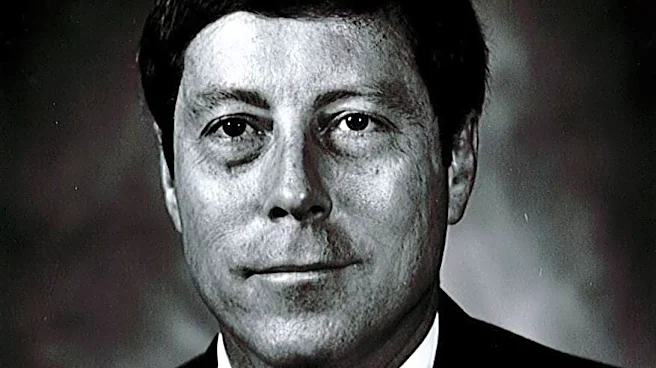








My father died decades ago, but last week I found myself at a celebration gala in Las Vegas accepting an honor on his behalf: induction into the Financial Planning Hall of Fame.
Standing there, I realized something. My father had been gone for years, yet I was still carrying something he had given me. Your legacy isn’t what you leave behind. It’s what you leave in other people.
At 64, I'm closer to the back end of my own life than at the beginning. This has a way of changing the questions you ask. We spend a lot of time thinking about financial security and financial independence. How much money do we need? When can we retire? Will the market cooperate with our financial plans? Have we saved enough to enjoy the years ahead?
Those are important
questions. After a 38-year career in financial planning, I would be the last person to suggest otherwise. But there’s another question worth asking: What are we going to do with the life our money makes possible?
Money can buy time with grandchildren, opportunities for our children, freedom to pursue a passion, or the ability to help someone who needs a hand. It can provide security and choices. But money itself is not the legacy.
Eventually, the portfolio statements stop coming. The house is sold. The cars are gone. Our names disappear from the mailbox. What remains are the people we helped, the children we raised, the wisdom we passed along and the lives we touched.
The numbers were never the point. They were a means to something bigger: helping people use their resources to live meaningful lives.
My father’s induction into the Hall of Fame was a moving recognition of his contributions to a profession he helped shape. I was proud to accept the honor on his behalf. I also couldn’t help thinking about the strange and wonderful way a parent’s influence continues long after he is gone.
That night reminded me that legacy isn’t something we create at the end of life. It’s being created every day. It’s in the advice we offer, the example we set, the time we give and the values we pass along. It’s in the way we treat people. It’s in the lessons our children carry to their children.
We spend a lifetime asking, “How much have I accumulated? How much have I accomplished?” Somewhere along the way, we should also ask, “What am I leaving in the people around me?”
My father received a great honor last week. He wasn’t there to accept the award. I was. And as I stood in his place, I was reminded that some of the most valuable things we inherit will never appear on a balance sheet.
Paul K. Fain III, CFP, has been a financial planner, advocate and educator for 38 years. He can be reached with comments at PKFIII@aol.com.
This article originally appeared on Knoxville News Sentinel: The inheritance that doesn’t show up on a balance sheet | Paul Fain