




Flock Safety has until Sept. 16 to take down its cameras in Knox County.
Jenna Triplett, a spokesperson for newly sworn-in Knox County Mayor Betsy Henderson, told Knox News the county's Department of Engineering and Public Works would remove the cameras if the company has not done so by the deadline.
“We always support law enforcement," Triplett said, "but we want them to do the job in a way that respects citizens’ privacy.”
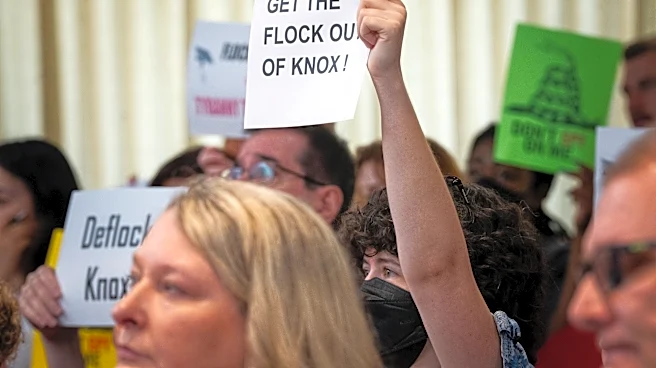
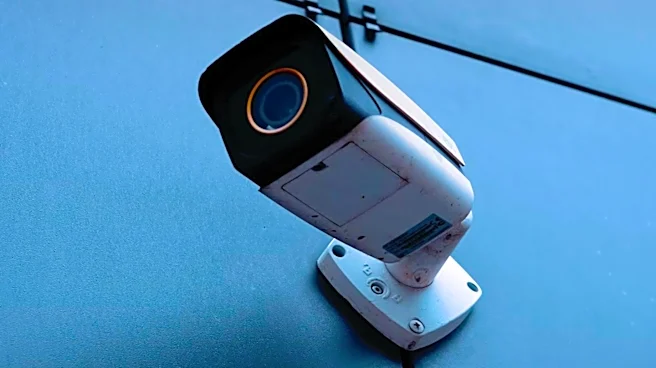
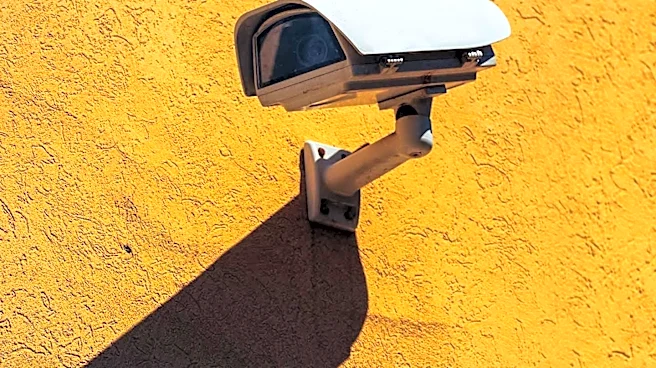
Questions remain about what will happen in the coming weeks after the Knox County Commission unanimously voted Aug. 31 to shut down 143 Flock Safety license plate reader cameras spread throughout the county. The ban passed just as a new mayor and sheriff were sworn in, and their new staffers are catching up on the changes.
The vote reflected a larger pushback against the cameras as jurisdictions around the nation weigh similar bans. While the decision satisfied residents’ immediate civil liberties concerns, several legal and financial questions linger.
Get the Daily Briefing newsletter: Start your day with the latest news from Knoxville and East Tennessee
Have the county's Flock cameras been shut down?
As the debate over the cameras heated up, Knox County Mayor Glenn Jacobs told commissioners he struck a "gentleman's agreement" with KCSO to not use the cameras for the short time left in Sheriff Tom Spangler's term, though Commissioner Terry Hill cast a doubt on whether the sheriff's office kept that promise.
"It's my understanding the cameras have not been turned off, just so you know," Hill said. "That's disappointing to hear because we had hoped that would have some pause in all this, and clearly that hasn't happened."
KCSO spokesperson Justin Pratt, who is new to the position under Sheriff Brent Gibson, said the department is assessing the complex situation.
"At this time, the Knox County Sheriff’s Office has not received the specific details or formal guidance regarding the removal of the advanced license plate readers by county commission," Pratt wrote in an email Sept. 3. "Upon receiving direction from the Knox County Law Director’s Office, we will review that guidance and take the appropriate steps necessary to comply."
The ordinance gave county agencies using automated license plate readers 30 days to "cease operation and data collection, be disabled, and be removed from its deployed location."
The commission also voted to delete all previous data collected by the cameras, unless it is part of an ongoing criminal investigation.
Does the county have a Flock contract?
The county is in a legal gray area regarding its contractual obligations to Flock.
County code says the mayor must approve contracts over $25,000 and both the mayor and county commission must approve contracts over $100,000. Jacobs in 2020 approved a $13,750 service agreement between KCSO and Flock, but additions to the agreement made over time brought the total cost up to $274,720, which is well over the threshold.
KCSO used a tool in the county's procurement rules called a cooperative purchasing agreement to buy more of the cameras earlier this year with funding from a state grant. Cooperative purchasing agreements allow local governments to adopt contracts for products already negotiated by other local governments.
Jacobs insisted any contract with Flock is invalid since it was not approved by the commission. Flock representatives have yet to respond to Jacobs' Aug. 12 letter seeking to clarify those issues, he said.
"There's no clarification about whether we really are under contract or not," Hill said.
Knox County Deputy Law Director Michael Moyers told commissioners Aug. 31 the local ban would not necessarily sever an existing contract or any financial obligations with Flock.
“It doesn’t purport to cancel any contract that currently exists," Moyers said. "That would be probably of questionable constitutionality if that was done.”
Triplett said the county is working closely with the law department to determine the status of any contract.
"It's a priority for us," Triplett said. "We are actively looking for answers."
Flock Safety has not responded to questions submitted by Knox News.
Is the county on the hook for the cost of the Flock cameras?
No one is positive what will happen next. The county bought the cameras because it received a grant from the state.
Earlier this year, KCSO spent $800,000 of a $1.5 million state grant to lease more cameras from Flock.
"At this time, we do not have any additional information to provide regarding specific costs, equipment or implementation details," Pratt said.
Commissioners this week discussed ways to financially untangle the county from KCSO's purchases, including the possibility of selling the cameras back.
"What a kick in the rear it would be for every single one of us to think that we had to sit down and write a check back to them," Hill said.
Moyers told commissioners his multiple efforts to reach state grant officials have been unsuccessful, but made it clear the ordinance could potentially lead to litigation.
Outgoing Commissioner Larsen Jay said Aug. 31 he was primarily concerned with halting the use of the cameras as soon as possible versus what it might cost in the end.
"I care about every tax dollar that goes into this county," Jay said. "But in this case, I don't mind cutting checks back because the checks we would have to be under obligation for are way bigger, and the implications of how it can affect this county could be way, way bigger."
What could happen to KCSO's planned surveillance center?
The ban also calls into question the future of KCSO's planned Advanced Research and Communications Center. The project was designed to bring together data from license plate readers and cameras into one hub for law enforcement.
Jay included an amendment to the ordinance that prohibits the center from becoming operational until the new sheriff, in a public meeting, conducts a "transparent, data-driven demonstration of its public safety need, proposed operations safeguards and financial impact."
"If this center is only good for the license plate readers, that's almost $800,000 right there we're going to have to cough up and send back," Hill said.
This article originally appeared on Knoxville News Sentinel: Knox County banned Flock cameras. What happens next?