
The Tyranny of Infinite Choice
We are living in the golden age of content, but it often feels more like a psychological trap. With dozens of streaming services, each boasting thousands of titles, the act of choosing what to watch has become a chore. This isn't a personal failing; it's
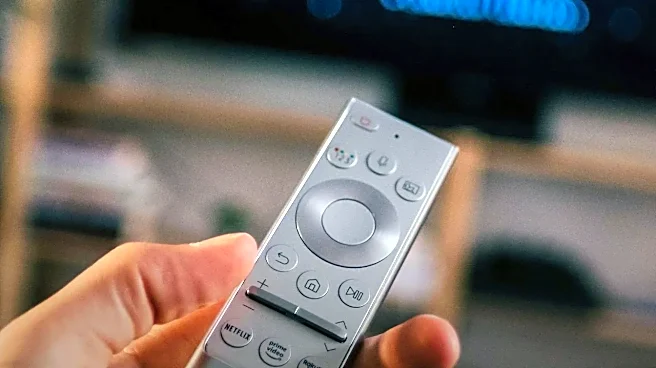
a well-documented phenomenon called the "paradox of choice." The theory, popularized by psychologist Barry Schwartz, suggests that while some choice is good, too much choice leads to anxiety, paralysis, and ultimately, lower satisfaction. By 2026, this has manifested as widespread "subscription fatigue," where viewers feel overwhelmed not just by the cost, but by the mental load of managing and navigating countless content libraries. The endless scroll, once a promise of boundless entertainment, now often results in decision paralysis before the opening credits can even roll.
Cable’s Unlikely Superpower: The Limit
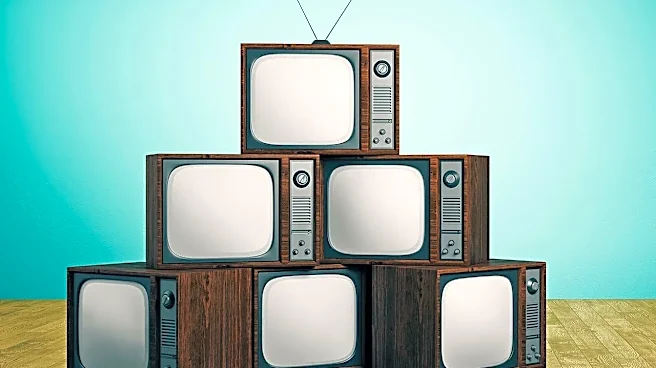
Enter cable television, the once-dominant format many left behind for the flexibility of streaming. Its downsides are well-known: higher fixed prices, less flexible contracts, and ad breaks. But in the context of streaming overload, its primary limitation—a finite number of channels on a fixed schedule—has become an unlikely feature. A cable guide presents a curated menu, not an infinite library. It answers the question, "What's on now?" rather than asking, "What do you want to watch out of millions of options?" This structure offloads the cognitive burden of choice from the viewer. Someone else—a channel programmer—has already made the decision for you. You just have to tune in.
The Lost Art of Channel Surfing
Streaming promises discovery through sophisticated algorithms, but these systems often create filter bubbles, recommending content that’s similar to what you’ve already watched. The result is a feedback loop that can feel surprisingly narrow. Cable, on the other hand, enables a more random and serendipitous form of discovery: channel surfing. Flipping through channels is a low-stakes exploration. You might stumble upon the last 30 minutes of a classic movie, a documentary you'd never search for, or a local news broadcast that grounds you in your community. This passive discovery is a different kind of viewing experience—less intentional, perhaps, but also more relaxed and prone to surprise than the algorithm-driven rabbit holes of streaming.
Is Less Really More for Your Brain?
The contrast between the two experiences highlights different needs. Streaming is lean-forward entertainment; you are the curator, the programmer, and the archivist of your own personal network. It's perfect for intentional viewing, like binging a specific series or having a dedicated movie night. Cable, in its 2026 form, is lean-back entertainment. It asks for nothing but your passive attention. For viewers exhausted by the pressure to optimize their leisure time, the simplicity of a pre-programmed channel can feel like a luxury. It provides guardrails, freeing you from the responsibility of making the 'perfect' choice and allowing you to simply watch TV.
It’s Not a War, It’s a Coexistence
This isn't an argument to cut all your streaming subscriptions and rush back to a costly cable bundle. Rather, it's a recognition that the ideal entertainment setup in 2026 may be a hybrid. Many households are finding a balance. Streaming offers unparalleled access and control for must-watch shows and movies. Cable or live TV streaming bundles, meanwhile, serve a crucial purpose for live events, news, and moments when you just want something on in the background without making another decision. The future of television isn't about one model defeating the other; it's about consumers strategically choosing the right tool for the job.