





Release Order: The Purist's Path
The simplest and often safest route is watching the films in the order they were released. This is how the world first experienced the story, how twists were originally revealed, and how the filmmaking style evolved over time. For a first-time viewing,
release order is almost always recommended. It preserves the creators' intended experience, allowing callbacks and technological leaps to land with their original impact. Think of the original Star Wars trilogy: watching "A New Hope" first makes the reveal in "The Empire Strikes Back" a monumental moment, something lost if you watch the prequels first. This method lets you grow with the series, appreciating its journey from a singular film to a sprawling universe, just as the first fans did.
Chronological Order: The Story-First Saga
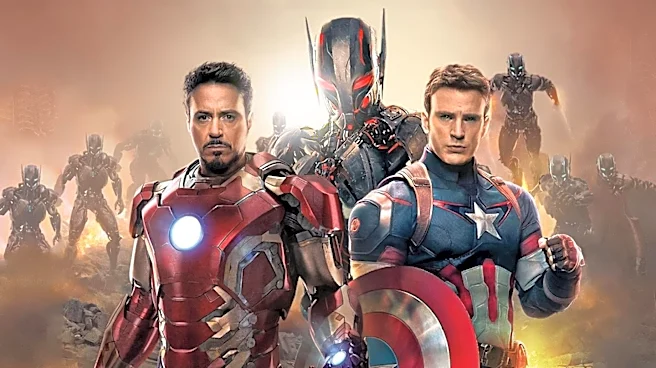
If you'd rather experience the narrative from its earliest point, chronological order is for you. This involves arranging the films and any associated TV shows according to their in-universe timeline. This approach can offer a fresh perspective on a familiar series, providing a deeper understanding of character backstories and the long-term consequences of early events. For the Marvel Cinematic Universe (MCU), this means starting with "Captain America: The First Avenger" to see the origins of S.H.I.E.L.D. and super-soldier programs long before Iron Man ever suited up. Be warned: this can sometimes lead to jarring shifts in visual quality or tone, and it may spoil reveals that were designed to surprise audiences in the release order.
The Essentials-Only Sprint
Let's be real: you don't always have time for a 30-part marathon. The "essentials-only" approach is about identifying the absolute must-watch entries that carry the main plot forward. This requires a bit of research—think of it as cinematic triage. For a franchise like the X-Men, you might focus on the films that directly impact the core team's story, potentially skipping certain solo spin-offs that have less bearing on the main saga. This is the perfect strategy for getting up to speed before a new sequel without committing to a multi-week viewing schedule. You get all the key plot points, character arcs, and world-building necessary to understand what’s happening now, trimming the fat and focusing on the narrative muscle.
Fan-Curated & Thematic Orders
For the truly adventurous, there are fan-curated viewing orders. The most famous is the "Machete Order" for Star Wars (Episodes IV, V, II, III, VI), which reframes the prequels as a long flashback after a major cliffhanger, preserving the original trilogy's biggest surprise while deepening the villain's backstory. This method treats the saga as Luke Skywalker's story, with his father's history providing crucial context before the finale. You can also create your own thematic arcs, like watching all the Captain America movies back-to-back as a political thriller trilogy, or grouping films by a specific director or tone. This is an advanced-level rewatch that can make a beloved series feel entirely new.
Mapping the Sprawling Universe
Modern franchises don't just live on the big screen. They now expand into TV series, animated shorts, and holiday specials. Deciding how to incorporate these can be your biggest challenge. First, determine if they are considered essential canon or optional side stories. In the MCU, for example, shows on Disney+ often tie directly into the movies. A good rule is to check fan wikis or official timeline guides to see where these stories fit and how critical they are to the main plot. You can choose to be a completionist and watch everything, or you can stick to the main cinematic path and treat the series as bonus material for when you have more time.