

It’s All About Proportion
The most powerful tool for defining your waist has nothing to do with cinching it tightly; it’s about controlling your outfit's proportions. The goal is to create balance. By making your shoulders appear slightly broader or your hips fuller, your waist naturally
looks smaller in comparison. This is the core principle behind the classic hourglass silhouette. A V-neck or boatneck top, for instance, widens the shoulder line, drawing the eye up and out. Similarly, an A-line or flared skirt adds volume to your lower half. In both cases, the waist becomes the narrowest point by default. Think of it as visual architecture: you're building a flattering framework with your clothes, and your waist is the focal point.
Harness the Power of Silhouette
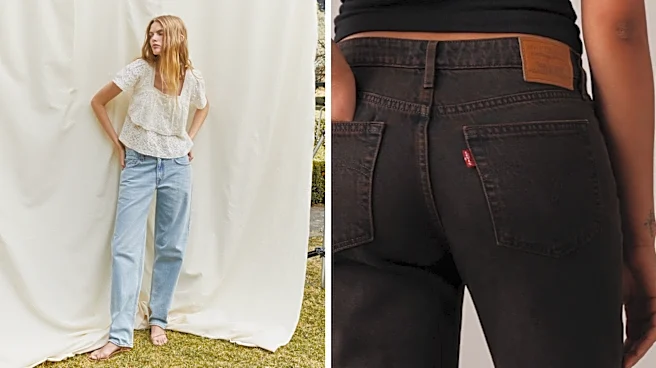
Certain garment shapes are designed to create a waist for you. Wrap dresses are perhaps the most famous example; their diagonal lines naturally draw the eye inward and cinch at the narrowest part of the torso. Fit-and-flare dresses and peplum tops work on a similar principle, fitting snugly through the torso and then kicking out. This built-in flare creates instant shape, defining the waist while skimming over the midsection. Another key is using high-waisted bottoms. Pants, jeans, or skirts that sit at your natural waist—the area just above your navel—elongate your legs and firmly establish where your waistline is, making it the star of the show.
Master the Strategic Tuck
Simply tucking in your shirt is one of the quickest ways to create waist definition. But the way you tuck can make all the difference. A full, crisp tuck into high-waisted trousers creates a sharp, clean line. For a more relaxed feel, the "French tuck"—tucking in just the front of your top—gives a hint of a waistline without feeling constricted. This works especially well with slightly blousy tops; after tucking, you can raise your arms to pull out just enough fabric to create a soft drape that subtly conceals the tummy area while still highlighting your waist.
Use Color and Fabric as Tools
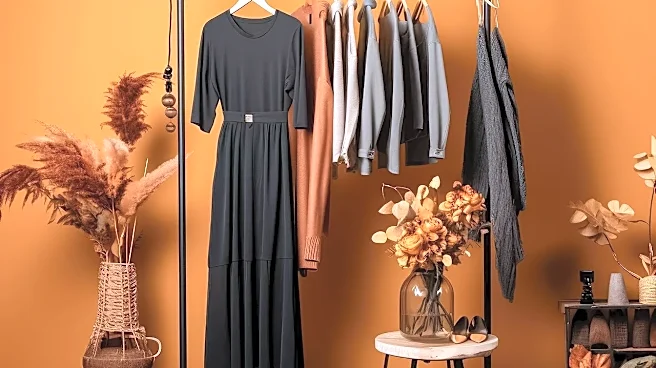
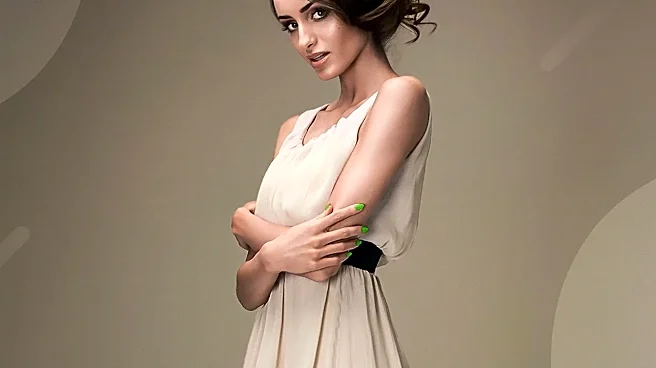
Never underestimate the power of color and fabric. Darker colors tend to recede, making areas appear smaller, which is why a dark belt or a dress with dark side panels can be so effective. Wearing one color from head to toe, known as monochromatic dressing, creates a long, unbroken vertical line that is incredibly elongating and slimming. Fabric choice is just as crucial. Structured materials like denim, tailored cotton, or ponte knit hold their shape and help define your silhouette. In contrast, overly clingy fabrics can emphasize areas you might prefer to downplay, while shapeless, bulky materials can hide your waist entirely.
Don't Forget the Supporting Cast
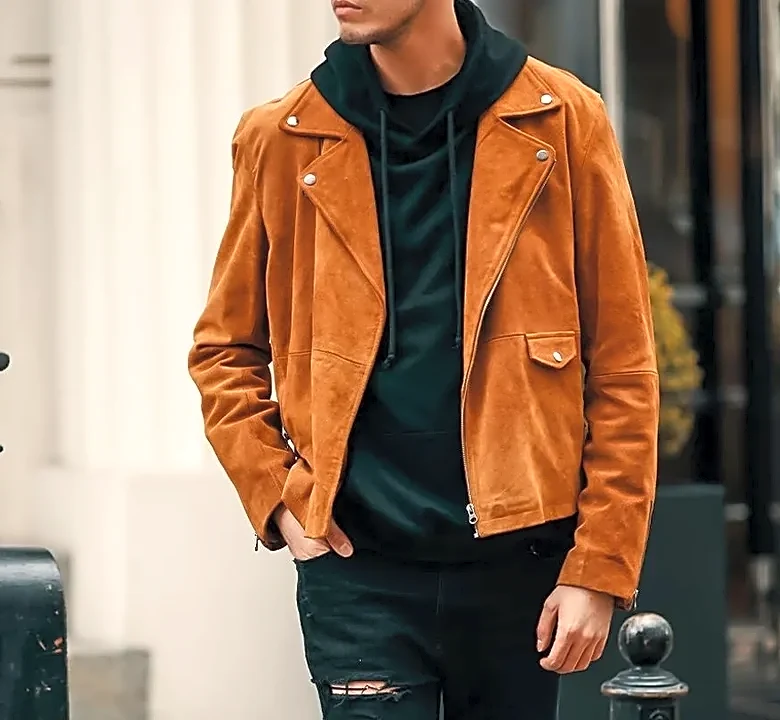
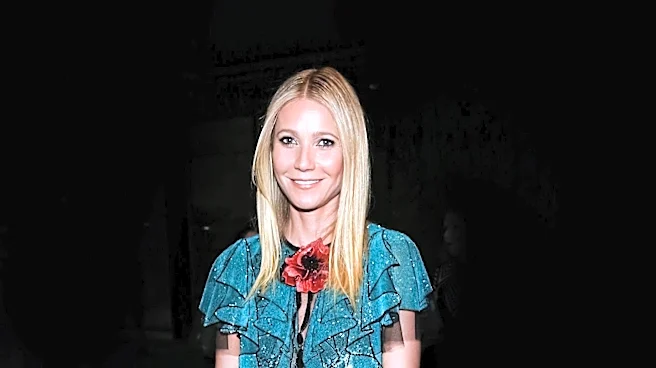
Details far away from your waist can have a surprising impact on how it's perceived. For example, voluminous or puff sleeves make your waist look smaller by comparison. An open, tailored blazer or jacket worn over a top creates two strong vertical lines that frame your torso, effectively trimming width from your silhouette and making your waist appear narrower. Even your shoes can play a role. A shoe with a bit of a heel or a platform elongates your entire frame, which contributes to a leaner, more defined overall look.