










An Architectural Sound Trap
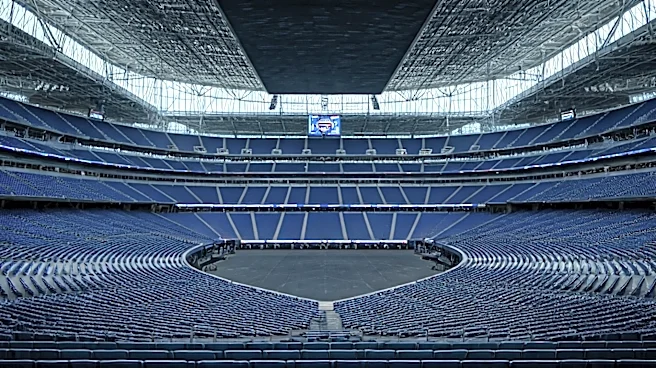
First, forget everything you know about cavernous, open-air NFL stadiums where noise dissipates into the sky. Mercedes-Benz Stadium was engineered differently. Its most iconic feature is the camera-lens-inspired retractable roof, an eight-petal 'oculus'
that opens and closes. When shut, as it will be for major soccer matches, it acts as a massive lid, trapping crowd noise and reflecting it back down onto the pitch. But the roof is only part of the equation. The seating bowl is intentionally steep, stacking fans closer to the field and on top of one another. This vertical design doesn't just improve sightlines; it creates a wall of sound. Noise generated in the upper decks cascades downwards, combining with the roar from the lower levels to create a concentrated, intense auditory experience. It’s less like a bowl and more like a cauldron, designed to keep the energy—and the decibels—contained.
A Proven Soccer-Crazy Culture
A great venue is nothing without a great crowd, and this is Atlanta’s secret weapon. When Atlanta United FC joined Major League Soccer in 2017, few predicted the city would become one of the most fervent soccer hotbeds in North America. But the team immediately shattered attendance records, regularly drawing crowds of over 70,000—numbers that rival historic clubs in Europe and South America. This isn’t a passive, golf-clapping audience. The atmosphere is driven by organized, passionate supporter groups like Terminus Legion and Resurgence. They fill the massive supporters' section behind one goal, standing, singing, and chanting for the full 90 minutes. They have perfected the art of stadium-wide participation, from the 'A-T-L' call-and-response to thunderous Viking claps. This built-in, well-practiced soccer culture means the stadium already has a proven track record of generating deafening noise for the beautiful game, providing a powerful foundation for the global fans who will join them in 2026.
Technology That Amplifies Energy
While fan-generated noise is organic, the stadium's technology is designed to enhance and amplify the entire sensory experience. The most obvious example is the one-of-a-kind Halo Board, a 360-degree video screen that rings the roof opening. At over five stories tall and 1,000 feet in circumference, it’s a stunning visual centerpiece that keeps every fan, no matter their seat, completely immersed in the action. Replays, graphics, and prompts on the Halo Board can unify 70,000 people in an instant, turning a simple goal celebration into a coordinated eruption of light and sound. The stadium also boasts a state-of-the-art sound system that delivers crystal-clear music and announcements, ensuring that the pre-game hype and in-game energy never lag. While the speakers don't create the crowd's roar, they are crucial for directing and sustaining the atmosphere, turning a soccer match into an all-encompassing event that fuels the fans' fire.
The World Cup Perfect Storm
Combine these three elements—architecture that traps sound, a local fanbase that knows how to make it, and technology that magnifies it—and you have the recipe for an unforgettable World Cup environment. The tournament brings a different level of intensity. The stakes are higher, the national pride is immense, and the traveling fan armies are famously loud. Now, place those fans inside a stadium already optimized for noise. Atlanta is not just hosting group stage matches; it will host a semi-final, one of the most high-stakes, emotionally charged games in all of sports. Imagine a stadium packed with American supporters for a USA semi-final, or the vibrant, singing fans of Brazil or Argentina. The result could be a perfect storm of acoustics, culture, and context, creating an atmosphere that’s not just loud but legendary.