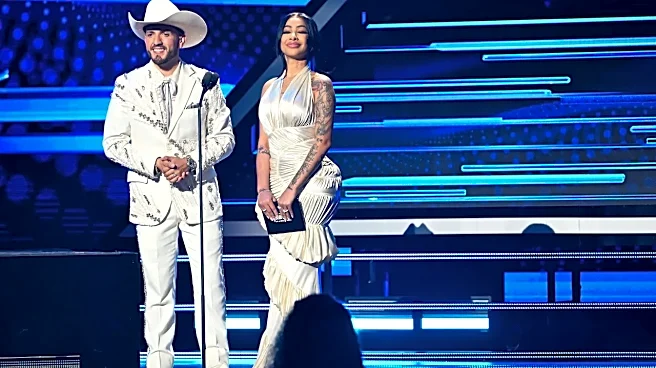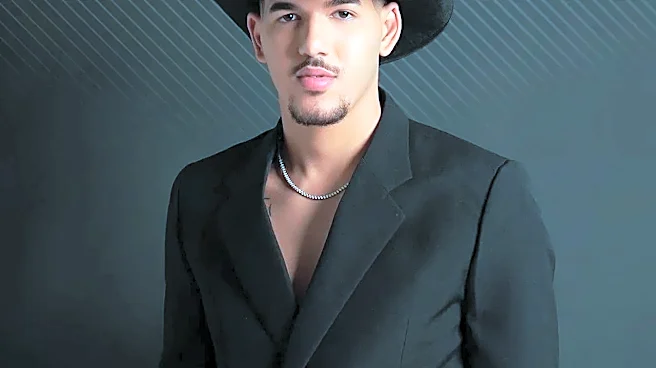






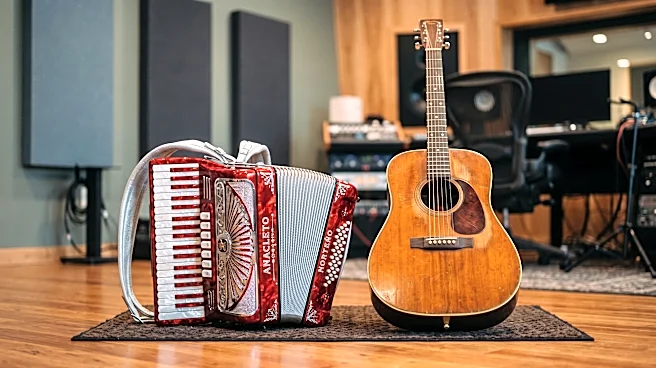
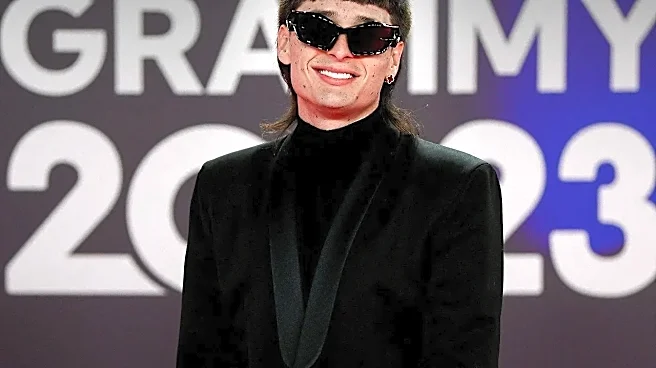

From sold-out global arenas to viral TikTok trends, the cowboy hat and boots have become central to the look of modern Latin music. But this is no fleeting costume party; it's a powerful statement of identity, history, and swagger.
The New Wave of Vaqueros
You can't miss it. Peso
Pluma commands the stage in a designer ten-gallon hat. Carin León’s signature look is rarely complete without his 'texana chueca', or tilted cowboy hat. Even urbano giants like Bad Bunny have embraced the aesthetic, weaving western elements into their high-fashion tour wardrobes. This isn't your grandfather's ranchera music anymore. Artists behind the explosive growth of 'corridos tumbados' and other regional Mexican genres are blending the sounds of traditional ballads with the energy of hip-hop and trap. Their fashion follows suit, mixing streetwear staples like oversized jerseys and designer sneakers with the timeless symbols of the cowboy: crisp western shirts, ornate belt buckles, and, of course, handcrafted boots and hats. It’s a look that’s both a nod to the past and a bold declaration of a new, globalized musical force.
Deeper Than a Trend: The Vaquero Legacy
To understand the power of the cowboy hat in Latin music, you have to look back long before country music even existed. The original cowboy was the Mexican vaquero. Beginning in the 16th century, these skilled horsemen managed vast cattle herds across what is now Mexico and the American Southwest. Their clothing and gear were born from function: the wide-brimmed sombrero for sun protection (later adapted into the American cowboy hat), sturdy boots with high shafts to guard against brush, and durable pants for life on the range. This culture gave rise to musical traditions like ranchera and corrido, songs that told stories of life, love, and struggle in the countryside. The vaquero wasn't just a worker; he was a figure of pride, skill, and rugged independence—a cultural icon deeply embedded in the Mexican identity.
From Regional Roots to the Global Stage
For decades, the vaquero look remained a staple of regional Mexican music, a familiar sight at rodeos, 'bailes', and family parties. But the new generation of artists has taken these local symbols and broadcast them to a global audience. Through collaborations with mainstream pop and reggaeton stars and the viral power of social media, artists like Fuerza Regida, Junior H, and Natanael Cano have turned a regional sound into a worldwide phenomenon. The fashion is a key part of this crossover appeal. It's a visual shorthand for authenticity. On platforms like TikTok, fans have even created their own sub-styles, like 'tumbette', which blends the masculine energy of corridos tumbados with the feminine 'coquette' aesthetic, pairing oversized jerseys with skirts and boots. This fusion shows how the style is being actively remixed and reinterpreted by a new, younger generation.
A Symbol of Authenticity and Swagger
So, what does it mean for a global superstar to wear a cowboy hat in 2026? It's a complex statement. For one, it's a reclamation of history. Many artists and academics point out that Western style's roots are deeply Latinx, Indigenous, and Black, a fact often overlooked in mainstream American culture. By embracing the 'texana', today's Latin artists are proudly centering their heritage. It’s also a symbol of modern masculinity and confidence. The look is less about being a literal ranch hand and more about projecting an image of being a self-made boss—a 'patrón'. The style is often paired with luxury brands, turning traditional workwear into a status symbol. It telegraphs a connection to one's roots while simultaneously communicating global success and swagger. It’s a way of saying, 'I know where I come from, and I’m taking it everywhere I go.'