

The Unwritten Contract
When a massive event like Lollapalooza sets up shop in a city's front yard, it needs more than a legal permit. It needs a social license to operate—an unwritten, informal approval from the community. It’s the difference between being a welcome guest and
an unwelcome intruder. For Lollapalooza, which signed a deal in 2022 to occupy Grant Park through at least 2032, this isn't a one-time transaction. It’s an ongoing negotiation with Chicagoans. The festival, produced by C3 Presents, brings enormous economic benefits, but it also comes at a cost for those living downtown. This constant balancing act is where the festival's social license is won or lost, year after year.
The Billion-Dollar Argument
The case for Lollapalooza is overwhelmingly economic. Organizers and city officials are quick to point out the festival's staggering financial impact. In 2025 alone, the event reportedly pumped over $480 million into the local economy, creating or sustaining thousands of jobs and filling hotels and restaurants. This generates millions in direct tax revenue for the city and fees for the Chicago Park District, which helps fund park programs citywide. Since 2010, the festival’s total economic contribution has surpassed $3.6 billion. This firehose of revenue is the primary reason the city has locked Lollapalooza in for another decade, viewing it as a critical engine for Chicago's summer economy.
The View from the Balcony
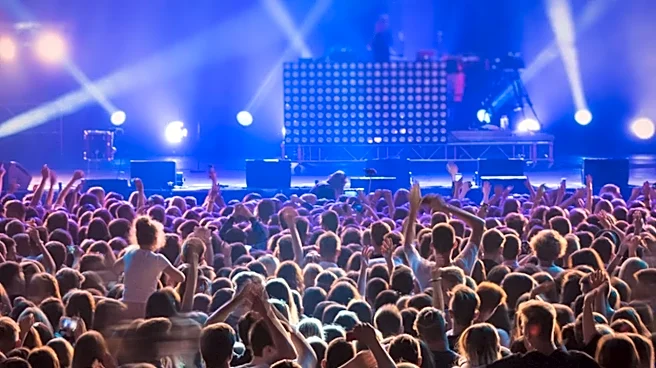
For many residents living near Grant Park, the economic data is drowned out by the noise. The most common complaints from the festival’s neighbors are consistent and predictable: overwhelming sound levels, street closures, and the simple inability to access their public park for weeks during setup and takedown. The disruption is a major quality-of-life issue. During local elections, candidates have proposed everything from decibel-level studies to the unlikely idea of moving the festival to another park. These concerns are not just about inconvenience; they are about the fundamental tension of privatizing a shared public space for a commercial mega-event that draws over 100,000 people a day.
Earning Their Keep, One Grant at a Time
This is where Lollapalooza actively works to maintain its social license. Rather than simply writing a check to the city, the festival and its organizers have leaned into visible, long-term community investments. The most significant of these is a multi-million-dollar commitment to arts education in Chicago Public Schools (CPS). Since 2021, Lollapalooza has donated over $3.9 million to expand arts programs, provide instruments, and fund creative spaces, reaching over 65,000 students in more than 100 schools, many in under-resourced neighborhoods. The festival has also funded improvements within Grant Park itself, including the refurbishment of tennis and pickleball courts, and hosts job fairs to connect locals with festival industry careers. These initiatives are a direct acknowledgment that being a good neighbor means giving back in tangible ways.
An Uneasy But Stable Alliance
The relationship is not without its friction. The 10-year contract that secured the festival's future was negotiated by the previous mayoral administration without input from the City Council, a move that drew criticism for its lack of transparency. Financial analysts have also pointed out that the new revenue-sharing formula could, under some scenarios, yield less money for the Park District than the old one. Meanwhile, the union representing Park District workers has argued that the festival's financial success hasn't translated into better wages and conditions for the people who maintain the city's parks. These issues highlight the complexities behind the glossy economic impact reports. For now, however, the alliance holds. The festival is too big an economic force to dismiss, and its community contributions are too significant to ignore.