

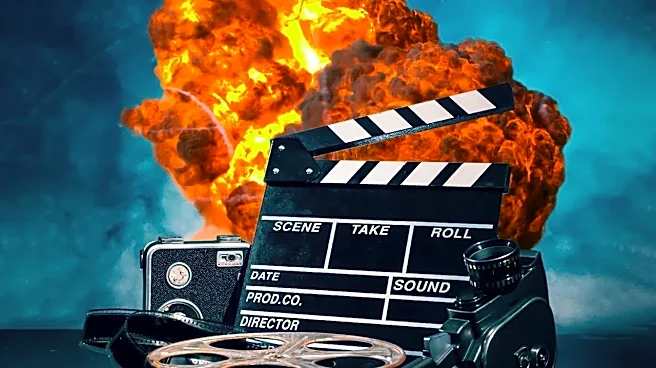

In the world of moviemaking, few things are as potent as a perfectly crafted horror trailer released just in time for Halloween. It’s more than a simple preview; it’s a two-minute weapon designed to ignite buzz and, most importantly, drive presales.
Why Presales Are the New Opening Weekend
In
today’s film industry, the opening weekend isn't just the beginning—it's everything. And the best predictor of a massive opening is a strong presale number. Presales, the tickets sold in the days and weeks before a film's debut, are the studio's first real taste of audience intent. A surge in presales can convince theaters to dedicate more screens to a film, signal to the media that a blockbuster is brewing, and create a feedback loop of hype. For horror, a genre whose audience is famously loyal and active online, presales are a critical metric. Strong early numbers indicate that the core fanbase is mobilized, creating a foundation for crossover success. This is why the trailer drop has become an event in itself; it’s the starting pistol for the all-important presale race.
The Anatomy of a Killer Horror Trailer
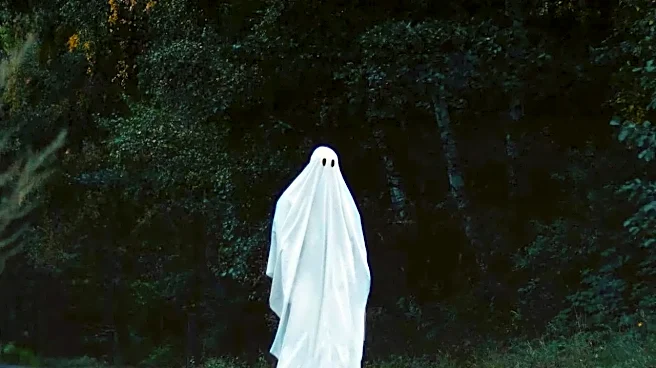
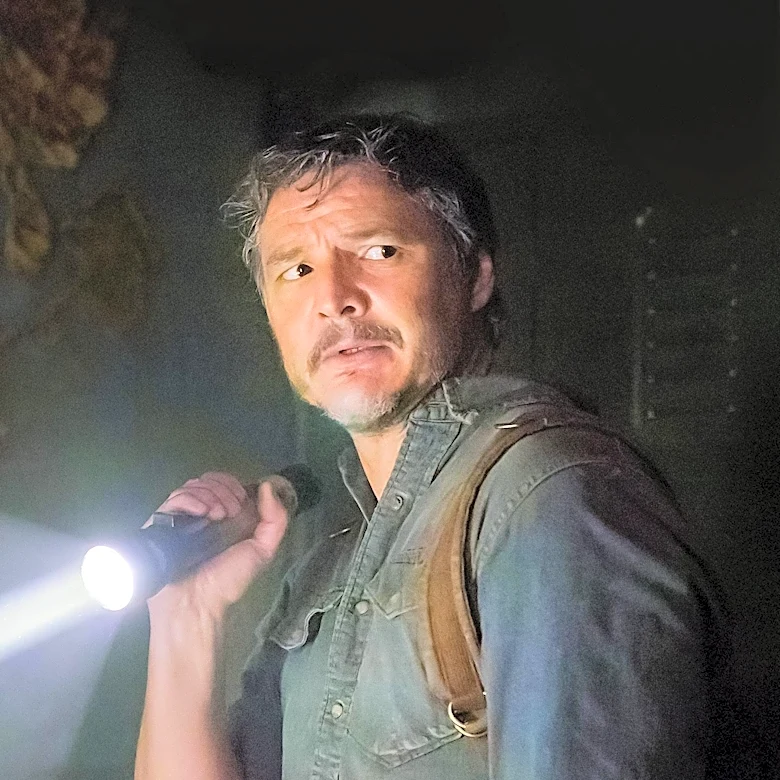
A successful horror trailer is a masterclass in psychological manipulation. It's not just about stringing together the goriest moments. The most effective trailers follow a precise formula. They often open with a sense of normalcy, a tactic called genre misdirection, lulling the viewer into a false sense of security before the first unsettling event. Sound design is paramount; silence is weaponized to build tension, and a sudden, sharp noise—the classic 'jump scare'—provides a jolt of adrenaline. Crucially, the trailer must tease its central mystery without revealing the monster or killer in full. It sells the concept, not the plot points. It shows the victim's fear, not just the source of it. The final seconds are reserved for the 'button'—a terrifying final image or line of dialogue that leaves the audience unsettled and, ideally, reaching for their wallet.
The Social Media Multiplier Effect
A trailer's journey no longer ends on a theater screen. Its real test comes online, where views, shares, and reactions are tallied in real-time. A trailer that goes viral on social media platforms can generate more marketing value than millions in paid advertising. This is where modern horror marketing shines. Studios now build campaigns around existing online communities, designing trailers with meme-worthy moments and Easter eggs for fans to discover and share. Recent successes like 'Backrooms' built their entire campaigns by engaging with fan communities before the first official trailer even dropped, giving them assets to share and decode. A trailer’s 'like rate' on platforms like YouTube has shown a strong correlation with box-office performance, sometimes proving more predictive than raw view counts alone. When a trailer trends, presale numbers often spike in direct response.
When Hype Translates to Ticket Sales
History is filled with examples of trailers that lit the box office fuse. The first trailer for 2017's 'It' shattered viewership records, and that excitement translated directly into a record-breaking opening weekend. More recently, a standout trailer was credited for the impressive opening of Blumhouse's 'Other Mommy,' a film that succeeded commercially despite poor critical reviews, proving the power of a great marketing hook. These campaigns work because they don't just advertise a movie; they manufacture a cultural event. They create an urgent, communal desire to see the film on opening night. Leaning into a simple, memorable message—like the infamous 'See Paris Die' campaign for 'House of Wax'—can turn a potentially overlooked film into a must-see event.