
The Foundation: Folk Revival and Rising Stars
Your playlist has to start at the beginning. The first festival in 1959 was a gathering of the folk faithful, designed to showcase the genre's diversity. This is the chapter of acoustic authenticity. Your key players are the festival's founders and early
champions, like Pete Seeger. No 1959 playlist is complete without Bob Gibson bringing out a teenage, unannounced Joan Baez, a moment that launched a legendary career. This section should feel like a black-and-white photo, full of earnest energy and traditional tunes that laid the groundwork for everything that followed.
The Protest: Songs of the Civil Rights Era
Newport quickly became a stage for the most important conversations in America. This part of your playlist is the festival’s conscience. In the early 1960s, artists used their platform to support the Civil Rights Movement. The Freedom Singers performed in 1963, and that same year Joan Baez led a march through Newport with activists. This section needs the powerful voices of a generation demanding change. The climax is the iconic performance of "We Shall Overcome," where Peter, Paul and Mary were joined by Bob Dylan, Joan Baez, and Pete Seeger—a moment that cemented the song as an anthem for the movement.
The Shock: Dylan Plugs In
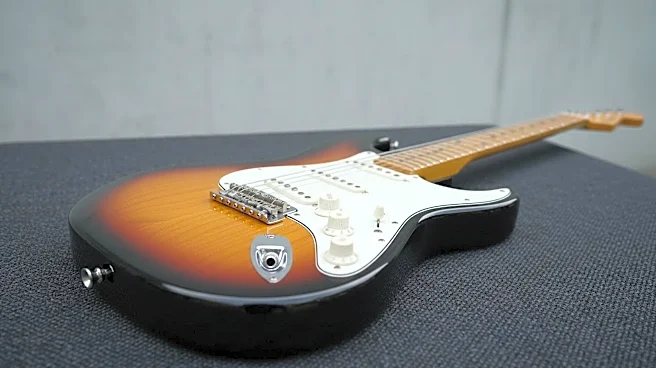
This is the dramatic climax of your playlist's first act. On July 25, 1965, Bob Dylan, the acoustic voice of his generation, walked on stage with an electric guitar and a rock band. The reaction was immediate and divisive, with a mix of boos and cheers from a stunned audience. He launched into "Maggie's Farm," and nothing was ever the same. Some say the audience was angry about the sound quality, others at the perceived betrayal of folk purity. Regardless, it was a pivotal moment in music history, marking a definitive shift from folk to rock and changing the very definition of the festival.
The Expansions: Country, Blues, and New Voices
While Dylan’s electric set is the most famous, Newport has always embraced a broad definition of “folk.” Your playlist should reflect this. In the 1960s, the festival welcomed artists like Johnny Cash and bluesman Howlin' Wolf, expanding its sonic palette. It was also where many lost legends were rediscovered during the blues revival, like Mississippi John Hurt's triumphant 1963 performance. In 1969, Johnny Cash famously insisted that a young, unknown songwriter named Kris Kristofferson be allowed to play, launching his career. This chapter is about the festival’s role as a generous, genre-bending tastemaker.
The Modern Era: A Tradition of Collaboration
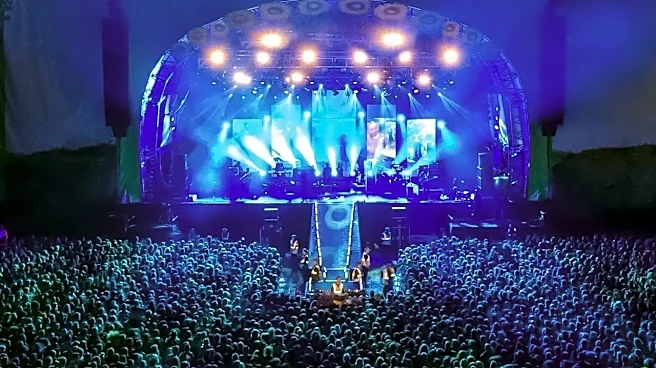
After a hiatus, the festival returned in 1985 and has since cultivated a new defining feature: the surprise collaboration. This section of your playlist should capture the spontaneous, joyful spirit of the modern festival. It’s where artists from different genres and generations share a stage. Recent years have seen stunning pop-up sets and all-star jams. In 2026, Nathaniel Rateliff's headlining set featured surprise appearances from Dave Matthews and festival legend Joan Baez, while Hayley Williams brought out a dozen guests for a massive singalong. These moments have become the heart of the modern Newport experience.
The Full Circle: The Return of a Legend
Every great story needs a powerful ending, and your playlist's finale is the surprise return of Joni Mitchell in 2022. After a years-long absence from public performance following an aneurysm, Mitchell appeared on stage for a full set, facilitated by Brandi Carlile. Surrounded by a new generation of artists who she had inspired—including Carlile, Marcus Mumford, and Allison Russell—she sang her iconic songs. The performance of "Both Sides, Now," her voice rich with wisdom and experience, was a moment of pure, unadulterated magic that left few dry eyes in the house. It was a triumphant, full-circle moment that perfectly encapsulates Newport’s enduring power to create history.