




The Core Misunderstanding: It's Sunscreen, Not Makeup
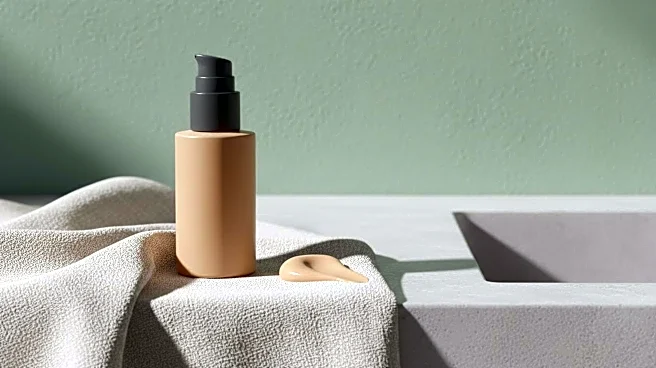
The single biggest mistake is treating tinted sunscreen like a foundation or skin tint. While it provides cosmetic benefits, its primary job is sun protection. This distinction is crucial because sunscreen requires a specific application density to be effective—about
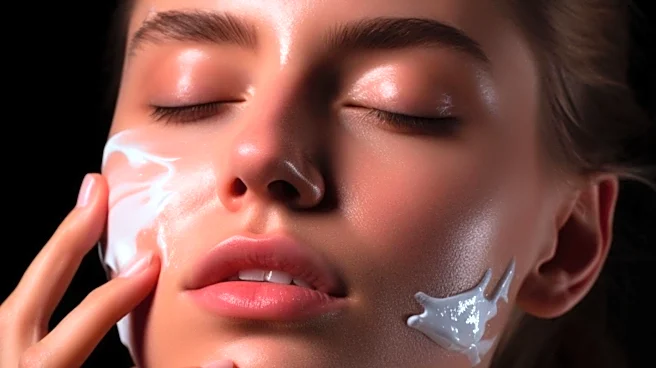
two milligrams per square centimeter of skin. In practical terms, this translates to roughly a quarter-sized dollop or the length of two full fingers for your face alone. Most people apply makeup products much more sparingly to achieve a natural finish, which is why relying on a foundation with SPF is often insufficient. If you apply just a few dabs of tinted sunscreen and blend it out like a concealer, you are likely getting only a fraction of the SPF value promised on the bottle, leaving your skin vulnerable.
The 'One and Done' Application Fallacy
Another frequent error is applying it once in the morning and assuming you're covered for the entire day. Sunscreen, whether tinted or not, isn't invincible. Its effectiveness degrades with sun exposure, sweat, and even the natural oils on your skin. Dermatologists and skincare experts recommend reapplying sunscreen at least every two hours when you're outdoors, or more often if you've been swimming or sweating. The tint can make reapplication feel tricky, as people worry about disturbing their look. However, forgoing reapplication means your protection fades significantly by midday, which can contribute to sun damage and hyperpigmentation.
How to Reapply Without a Full Redo
The thought of slathering more liquid over an already set face is daunting, but there are several ways to top up your protection. If your makeup has faded, you can use a damp beauty sponge to gently press or stipple a fresh layer of your tinted sunscreen on top. For a less disruptive method, SPF mists and powders are excellent for touch-ups, though they should be seen as a supplement to a solid base layer of cream or lotion sunscreen. Some people even use a sunscreen stick for targeted reapplication on high-exposure areas like the nose, forehead, and cheekbones. Before any reapplication, it's wise to blot away excess oil to ensure the new layer adheres properly without smudging.
Relying on It for Full Coverage
While tinted sunscreens can even out skin tone, they are not designed to be high-coverage products like a traditional foundation. Their purpose is to offer sheer, natural-looking perfection while shielding your skin. Expecting a tinted sunscreen to completely conceal significant blemishes or discoloration can lead to disappointment or, worse, over-application in certain spots and under-application elsewhere. A better strategy is to apply the correct, generous amount of tinted sunscreen all over for protection, let it set, and then go in with a separate concealer or a bit of foundation to target specific areas that need more coverage. This layering technique ensures your sun defense isn't compromised for cosmetic reasons.
Why the Tint Matters for More Than Just Color
The tint in these sunscreens isn't just for show. It's typically created with iron oxides, mineral pigments that offer an added layer of defense against high-energy visible light (HEV), including the blue light from screens. This is particularly important for individuals prone to hyperpigmentation or melasma, as visible light has been shown to trigger or worsen these conditions. For this reason, many dermatologists specifically recommend tinted formulas for patients with pigmentation concerns, as they provide broader protection than their non-tinted counterparts. So, when used correctly, that hint of color is a functional ingredient that boosts the product's protective power.