






The Nightmare in the Edit Bay
Imagine this: you’re an editor on a hot new cable drama, and you’ve got a problem. The lead actor delivered a career-best performance in a pivotal scene, but for a few crucial seconds, a boom mic dipped into the top of the frame. In another take, the performance is weaker,
but the shot is clean. You can’t use either. The director is on the phone, the network needs the episode, and the schedule has no room for reshoots. This is the kind of 'fix-it-in-post' nightmare that keeps editors and producers up at night. The episode’s best moment is on the verge of being compromised or cut entirely because of a tiny, fleeting mistake on the day of the shoot.
Beyond the Standard Coverage
Every film student learns the basics of coverage: get a wide master shot to establish the scene, then move in for medium shots, over-the-shoulders for dialogue, and close-ups for emotional impact. This is the bread and butter of visual storytelling, giving an editor the raw material to build a scene. You cut from the wide to the close-up to emphasize a reaction, or use an insert shot of a character’s hands to break up the rhythm. Directors will often shoot a scene multiple times from these various angles to ensure they have options. But even with all this material, a single unfixable error—a reflection of the crew in a window, a continuity flub, or that dreaded boom mic—can grind the edit to a halt. The standard toolkit isn't always enough.
The Unsung Hero: The 'Clean Plate'
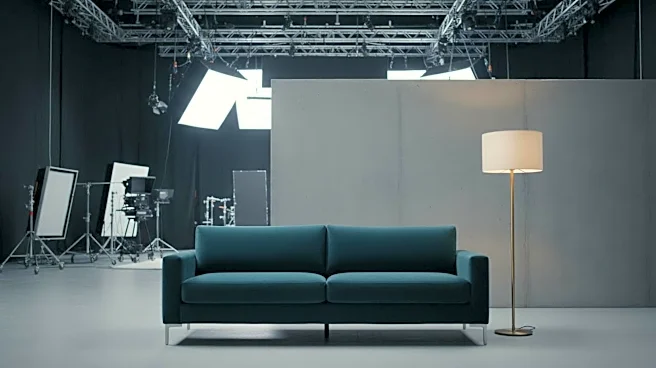
The solution is a deceptively simple and often overlooked shot called a 'clean plate'. A clean plate is a shot of the scene's background without any actors, crew, or other moving elements. After the director gets the take they want, the assistant director will call for a clean plate, asking the actors to step off the set while the camera continues to roll for 15 to 30 seconds on the empty, static background. The camera and lighting must remain in the exact same position as the main take. On a busy set, with pressure to move on to the next setup, it can feel like a waste of time. But those 30 seconds of an 'empty' shot are post-production gold.
Your Get-Out-of-Jail-Free Card
So how does this empty frame save the day? The clean plate acts as a digital patch kit. For that scene with the boom mic, an editor or visual effects artist can use the clean ceiling from the plate to paint out the microphone, seamlessly replacing the flawed part of the frame. If a crew member's reflection is visible in a mirror, the clean reflection from the plate can be used to erase them. It's the key to making characters or objects appear to vanish, as seen in countless sci-fi and fantasy shows. Beyond fixing mistakes, it gives the editor immense creative power. They can use it to create a 'split screen' composite, taking the best half of one performance and combining it with the best half of another. It’s a foundational tool for visual effects, allowing artists to add CGI elements into a scene with a perfect background to work from.
Why We Skip the Silver Bullet
If clean plates are so powerful, why are they overlooked? The answer often comes down to momentum and pressure on set. A television shoot is a machine built for forward motion. The clock is always ticking, the sun is setting, or the child actor's legally allowed work time is about to expire. In the rush to 'make the day,' stopping for 30 seconds to record an empty room can feel like an unnecessary delay. A director might be so thrilled with a performance that they immediately call “cut and print, moving on!” forgetting the crucial insurance shot. It falls into the same category as recording 'room tone' (the ambient sound of a location), another vital but easily forgotten piece of post-production security. It’s a classic case of prioritizing the immediate pressure of production over the future needs of post-production.