



First, What Is the Standard Sandwich Method?
At its core, moisture sandwiching is a technique for layering products to maximize hydration and prevent water loss. The basic principle is to apply products from the thinnest consistency to the thickest on top of damp skin. Imagine your skin is like
a sponge; it absorbs products much more effectively when it’s slightly damp rather than bone dry. A typical routine involves cleansing, leaving the skin damp (or spritzing with a face mist), applying a lightweight, water-based serum (like one with hyaluronic acid), and then immediately following up with a cream-based moisturizer. The moisturizer acts as the top piece of "bread," sealing the watery serum layer into the skin.
The Hidden Step: The Final Seal
Here is the part most people miss: after your moisturizer has absorbed, you add a final, very thin layer of an occlusive product. This is the true top of the sandwich and the most critical part for locking everything in. Many people stop at moisturizer, thinking the job is done. But a standard moisturizer is often an emollient, designed to soften skin, and while it helps, it doesn't create a powerful enough barrier to stop water from escaping, a process known as Transepidermal Water Loss (TEWL). This final occlusive layer is the secret to truly preventing that moisture loss, especially overnight when TEWL is naturally higher.
The Simple Science of Occlusion
Transepidermal Water Loss (TEWL) is the natural process of water evaporating from your skin into the air. A healthy skin barrier slows this process, but factors like dry air, harsh cleansers, and even aging can weaken the barrier, allowing moisture to escape too quickly and leading to dehydrated, tight, and dull skin. This is where occlusives come in. Ingredients like petrolatum, shea butter, beeswax, or even silicone-based balms create a physical barrier on the skin's surface. This barrier is like putting a lid on a pot of water; it physically blocks moisture from evaporating, forcing your skin to hold onto the hydration you just applied with your serum and moisturizer. This technique of finishing with an occlusive is sometimes called "slugging," and it’s incredibly effective at repairing a compromised moisture barrier.
Your Upgraded Sandwich Method Routine
Ready to try the complete sandwich? It’s simple and adds less than a minute to your nighttime routine.
1. Cleanse your face as usual with a gentle cleanser.
2. Pat your skin lightly, but leave it damp. If it dries completely, use a hydrating toner or a water-based face mist to re-dampen it.
3. While damp, apply a humectant-rich serum. Hyaluronic acid is a classic choice because it draws water into the skin.
4. Immediately apply your regular moisturizer. This layer contains emollients to soften the skin and adds another layer of hydration. Give it a minute to sink in.
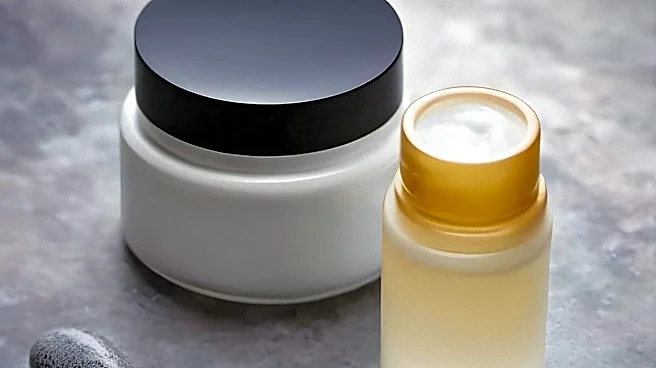
5. Apply the hidden step: take a pea-sized amount of an occlusive balm. Warm it between your fingertips and gently press a very thin layer over your entire face. You don't need to be greasy; a light seal is all it takes.
Who Should (and Shouldn't) Try This?
This supercharged sandwich method is a game-changer for anyone with dry, dehydrated, or compromised skin. If you wake up with a tight, flaky feeling, this technique can dramatically improve your skin’s hydration levels by morning. However, if you have very oily or acne-prone skin, you should proceed with caution. Heavy occlusives can sometimes trap oil and bacteria, potentially leading to breakouts. If you're acne-prone, you might want to try a lighter, non-comedogenic occlusive or skip this technique on active breakout areas. As with any new routine, it's wise to patch-test first to ensure your skin is happy with the new addition.