







The Unpredictable, Uncontrollable Set
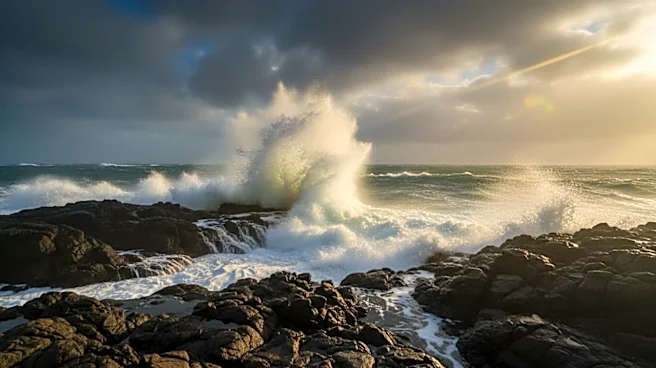
On a normal film set, every element is meticulously controlled, from the lighting down to the last prop. On the ocean, there is no control. The set is a constantly moving platform, subject to unpredictable winds, currents, and waves. For a director like
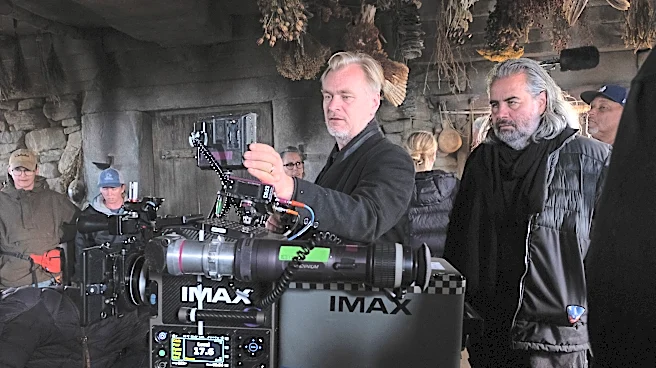
Christopher Nolan, known for his commitment to practical effects and on-location shooting for 'The Odyssey', this chaos is part of the appeal but also a massive risk. A single rogue wave can ruin a perfectly framed shot, while shifting clouds can alter the light so dramatically that hours of filming become unusable. The entire crew, from the director to the camera operators, must work on a surface that is never still, making even the simplest tasks exponentially harder and slower. This lack of stability means that what would be a quick shot on land can turn into a day-long struggle at sea, burning through time and money.
Water, Light, and the War on Color
Water is the enemy of light and color. As light penetrates the surface, water absorbs it, starting with the red end of the spectrum. Within just a few meters, reds disappear, followed by oranges and yellows, leaving footage with a cold, blue-green hue that has to be painstakingly corrected in post-production or with powerful, specialized lighting. This phenomenon, combined with floating particles that create backscatter and reduce clarity, makes achieving a vibrant, clear image incredibly difficult. Refraction, the bending of light as it passes through water, can also distort images, making subjects appear closer or warped. Cinematographers must constantly battle these optical challenges, using expensive waterproof lenses, powerful lighting rigs, and precise white balance adjustments just to capture an image that looks natural.
The Million-Dollar Equipment Killers
Saltwater is brutally corrosive to electronics. For a production like 'The Odyssey', which was shot entirely on IMAX film, the cameras are not just expensive; they are complex, heavy, and sensitive pieces of machinery. Even a small amount of ocean spray can be lethal to the delicate internal components of a camera worth tens or even hundreds of thousands of dollars. To combat this, cameras are placed in massive, custom-built waterproof housings that must be meticulously maintained. But the risk never disappears. Even the air at sea is full of salt, which can be sucked into a camera's cooling fans and corrode it from the inside out. Every battery change or lens swap is a moment of high tension, requiring the camera to be brought to a dry, protected area, slowing down the entire production process.
The Human Factor and the Dangers Below
Filming on or in the ocean is physically and mentally grueling for the cast and crew. Seasickness is a constant threat, as Nolan reportedly even used extras' real vomiting on camera to add to the realism of a storm scene in 'The Odyssey'. Underwater, the challenges multiply. Communication is reduced to hand signals, and simple movements become slow and cumbersome. Divers must not only be expert camera operators but also masters of buoyancy, as the slightest instability can ruin a shot. There's also the very real danger of working in an alien environment. Safety is the absolute top priority, with certified divers and strict protocols in place, because a mistake underwater can have fatal consequences. For the actors, performing in cold, churning water while weighted down is an immense physical challenge, all while trying to deliver a compelling performance.